


Detailed Description
A machine knife can arrive sharp, neatly packed and still be unsuitable for the machine. The missing detail may be a mounting feature, a drawing revision or an acceptance requirement nobody agreed before production. For an industrial knife purchase, quality begins with a clear specification and a traceable approval record.
The useful question for a supplier is not simply whether it has modern equipment. Ask how the particular knife will move from your drawing or sample to a finished, identified part, and what evidence will accompany it. This guide follows that purchasing task rather than listing every kind of industrial knife as though they were interchangeable.
Define the Knife by Its Job and Interfaces
Start with the operation: cutting, shearing or size reduction, the machine involved and the material being handled. Identify the surfaces that locate and hold the knife, the edge geometry and any mating knife or support.
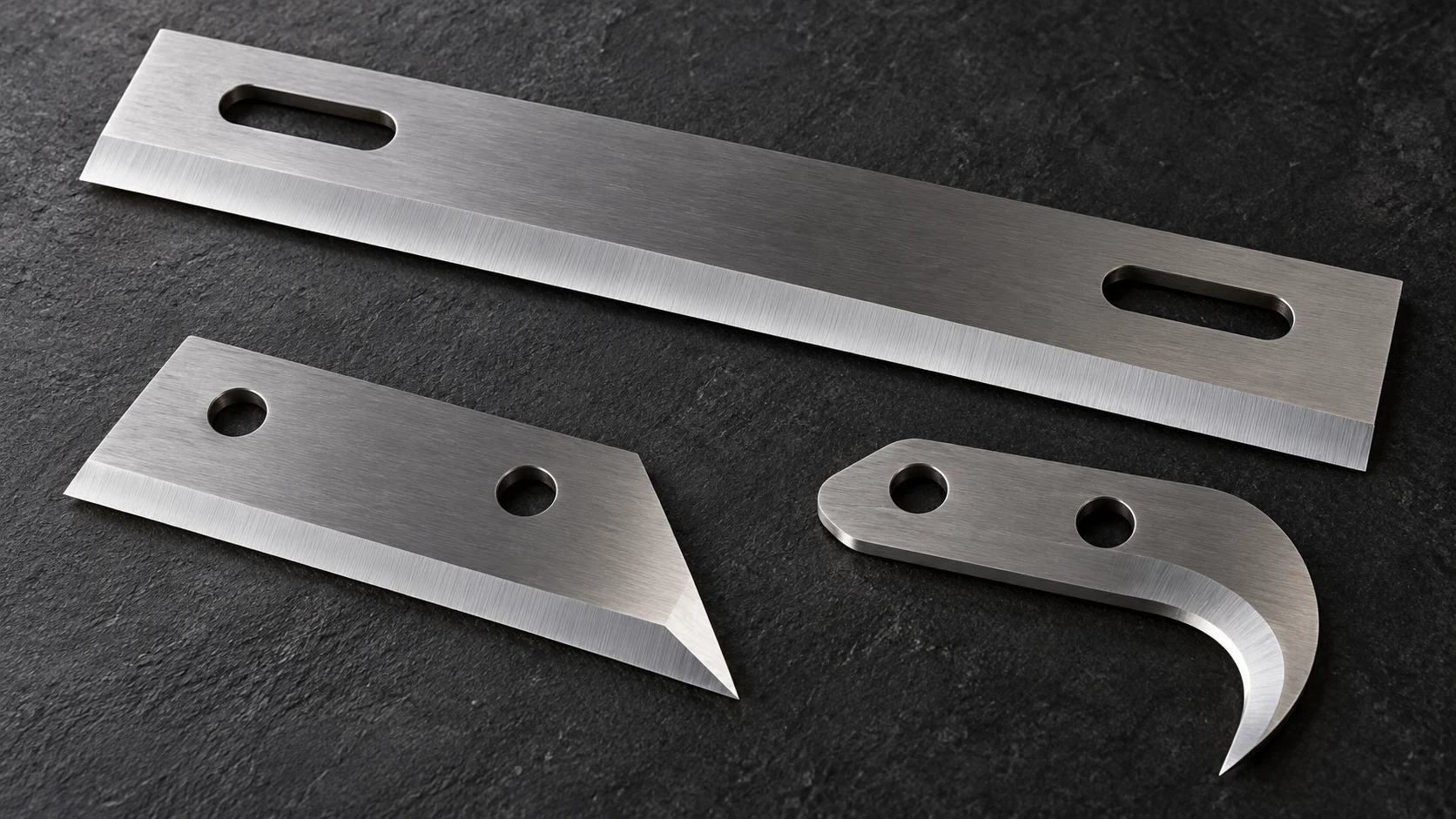
A straight granulator knife, a disc-type shredder cutter and a special-shaped replacement may require different approval information. A description such as “machine knife” is useful for finding a supplier, but it is not a production instruction.
For NJDETE’s published product routes, review https://njdete.com/double-shaft-shredder-blades/, https://njdete.com/plastic-crusher-blade/ and the https://njdete.com/category/products/custom-shape-blade/. Confirm the specific application rather than assuming that a broad category establishes every cutting capability.
Settle Drawing Control Before Discussing Production
Put units, revision, quantities and acceptance requirements on the purchasing record. Identify which document governs if a photograph, sample and drawing disagree. A used sample may show fitting features accurately while its edge no longer represents the original condition.
For a sample-based order, ask for a documented proposal and approve it before manufacture. Mark uncertain original dimensions instead of allowing a worn surface to become an assumed nominal value. Keep the approved record available to both purchasing and maintenance.
| Approval item | What it prevents |
|---|---|
| Drawing number and revision | Production to an obsolete design |
| Units and key dimensions | Ambiguity in measured or converted values |
| Mating features and orientation | Parts that look similar but fit differently |
| Quantity and set definition | Incomplete assemblies or unmatched ordering assumptions |
| Permitted alternatives | Unrecorded substitutions of material or geometry |
Ask About Material Traceability Without Assuming a Branded Steel
A catalogue grade and a documented material supply are different pieces of information. Ask what grade specification is being offered, how the batch is identified and which documents are included in the quoted scope. If a producer’s branded material is essential, state that explicitly and request the relevant evidence.
Producer data sheets can explain material background. For example, BÖHLER lists industrial knives among the applications for its K110 grade. That does not mean every D2-labelled knife uses K110, nor does the data sheet establish the condition of a delivered finished part.
Do not treat a material certificate as a substitute for dimensional inspection. Conversely, a dimensionally correct part does not by itself establish that the material requirement was met. Decide which records your order needs and keep them tied to the identifiable parts or batch.
Review Heat Treatment and Finishing as Part of the Finished Knife
Ask how the supplier controls the specified treatment and checks the finished component. Avoid approving a universal hardness value solely because it appears impressive in a brochure. The agreed requirement should suit the particular knife and application.
Grinding and finishing also need a defined result. Identify functional surfaces and drawing requirements rather than relying on “precision ground” as a complete acceptance criterion. If a tolerance is important to fit or alignment, show it on the approved drawing and agree how it will be checked.
This is a purchasing review, not a heat-treatment recipe. The supplier’s technical personnel should establish the manufacturing route for the approved part. A general article cannot set the complete process for every geometry or grade.
Make Inspection Reports Useful to the Receiving Team
A useful report identifies the order, drawing and inspected part or batch. It shows the agreed checks and results in a form your receiving team can match to the shipment. Ask whether the report is a standard document or an additional quoted service.
If the order needs a first-article review, define what approval releases the remaining quantity. Photographs can support identification and show visible condition, but they do not replace the agreed measurements. Keep any deviations and approvals with the same record.
Receiving staff should inspect before the scheduled installation window wherever practical. That leaves time to clarify a discrepancy before production depends on the new knives. Preserve identification when parts move from the packing area to maintenance stores.
What Factory Evidence Helps a Buyer?
Ask for evidence tied to the proposed work: relevant parts, an explanation of the inspection process and, where available and permitted, a sample report with sensitive customer details removed. A general workshop image can show context, but it cannot prove that a particular order passed inspection.
The same applies to certificates. Review their issuer, scope, validity and relation to the supplied company or process. Do not assume that a company certificate certifies the cutting life of an individual blade. If the purchasing decision depends on a specific approval, resolve it before the order is placed.
Compare the Delivery Record, Not Only the Unit Price
Two offers may differ in drawing preparation, sample handling, inspection, packing and replacement support. Make those differences visible. Agree how nonconforming parts will be reported and reviewed, including the records needed to investigate fit or operating problems.
For a repeat order, retain the approved revision and any changes made after the first delivery. A familiar product name should not replace revision control. If the machine or feed has changed, tell the supplier rather than assuming the previous order remains suitable.
Frequently Asked Questions
Does a sample remove the need for a drawing?
Not necessarily. A sample is useful evidence, but wear, modification and missing mating information may leave important features unresolved. Agree a controlled production and acceptance reference before manufacturing.
Is an inspection report always required?
The scope depends on the order and the buyer’s requirements. Decide which results matter to fit, function and traceability, then specify the report before comparing prices.
Can I request a knife material change on a repeat order?
Yes, as a proposed change for technical review. Identify the operating reason and record the new approved requirement. Do not allow the material change to obscure changes in geometry or fitting.
Start With the Part You Need
Send NJDETE your drawing or labelled sample information, machine details, quantities and required records. Use the https://njdete.com/category/products/ to identify the relevant product family. This article supports the supplier and quality review; product specifications remain on the appropriate product page.
Source
BÖHLER K110 producer information, used only for material application background. No producer affiliation, steel source or NJDETE inspection result is implied.
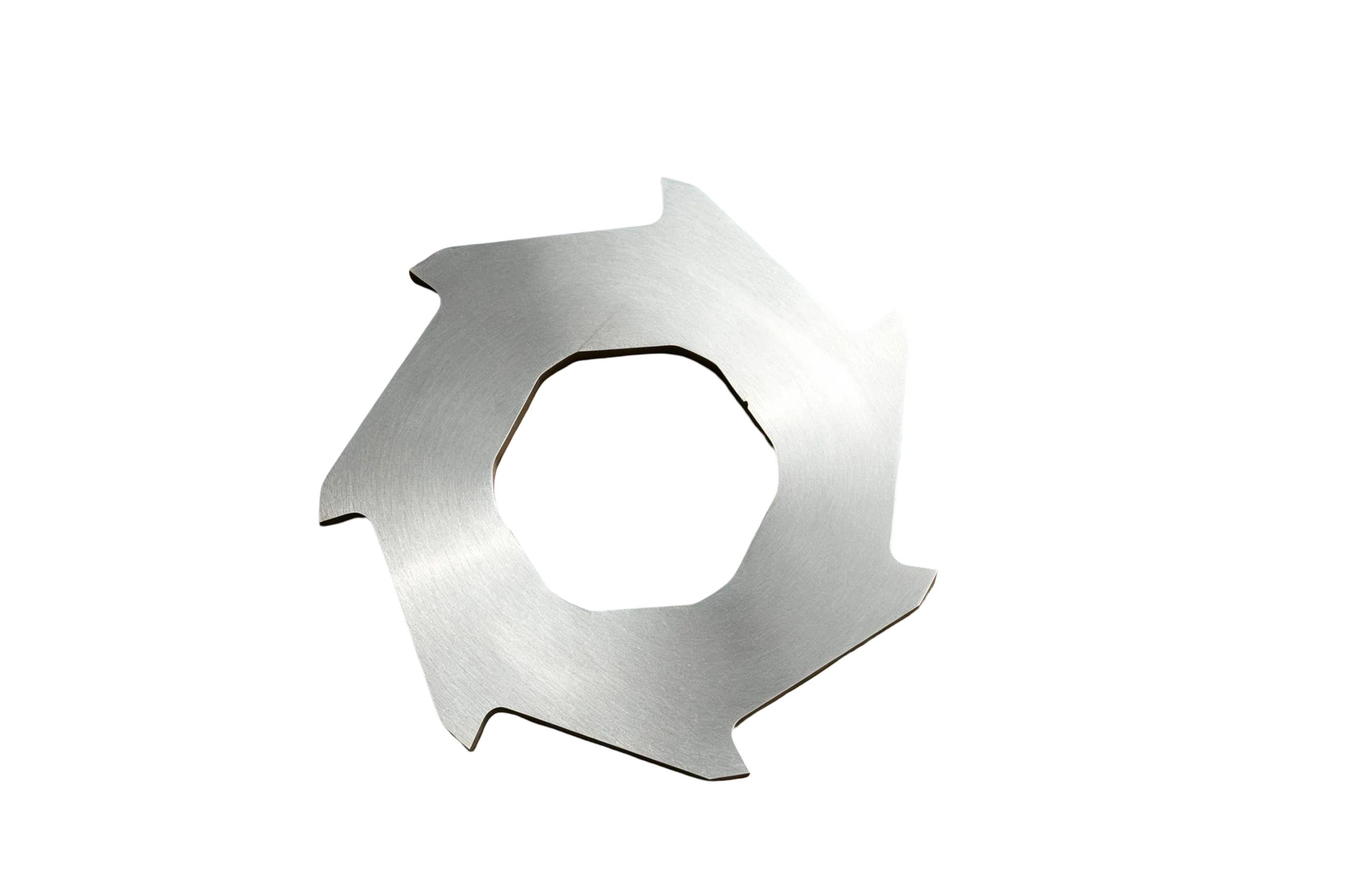
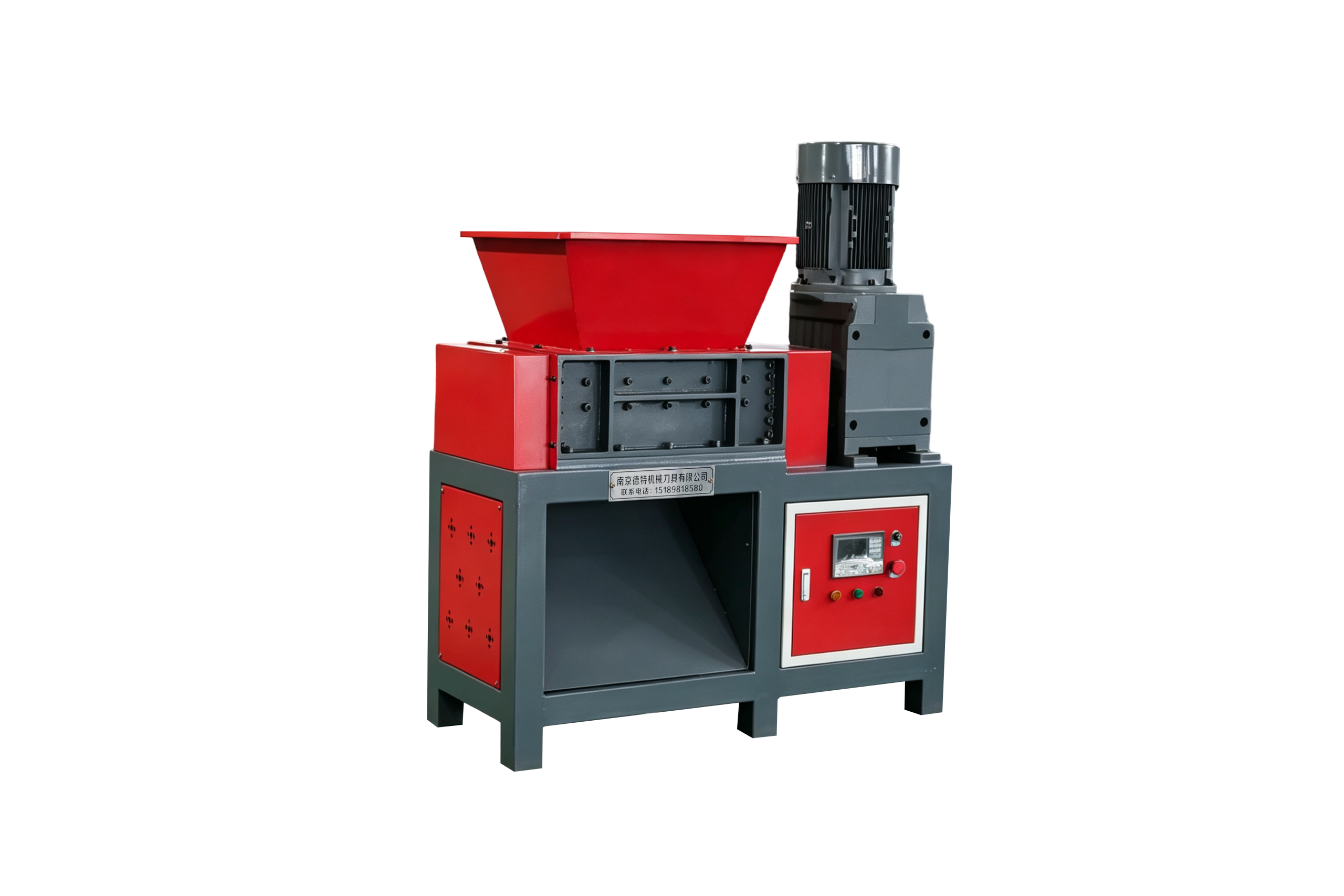
Published NJDETE website image; used for visual context, not as a performance-test record.
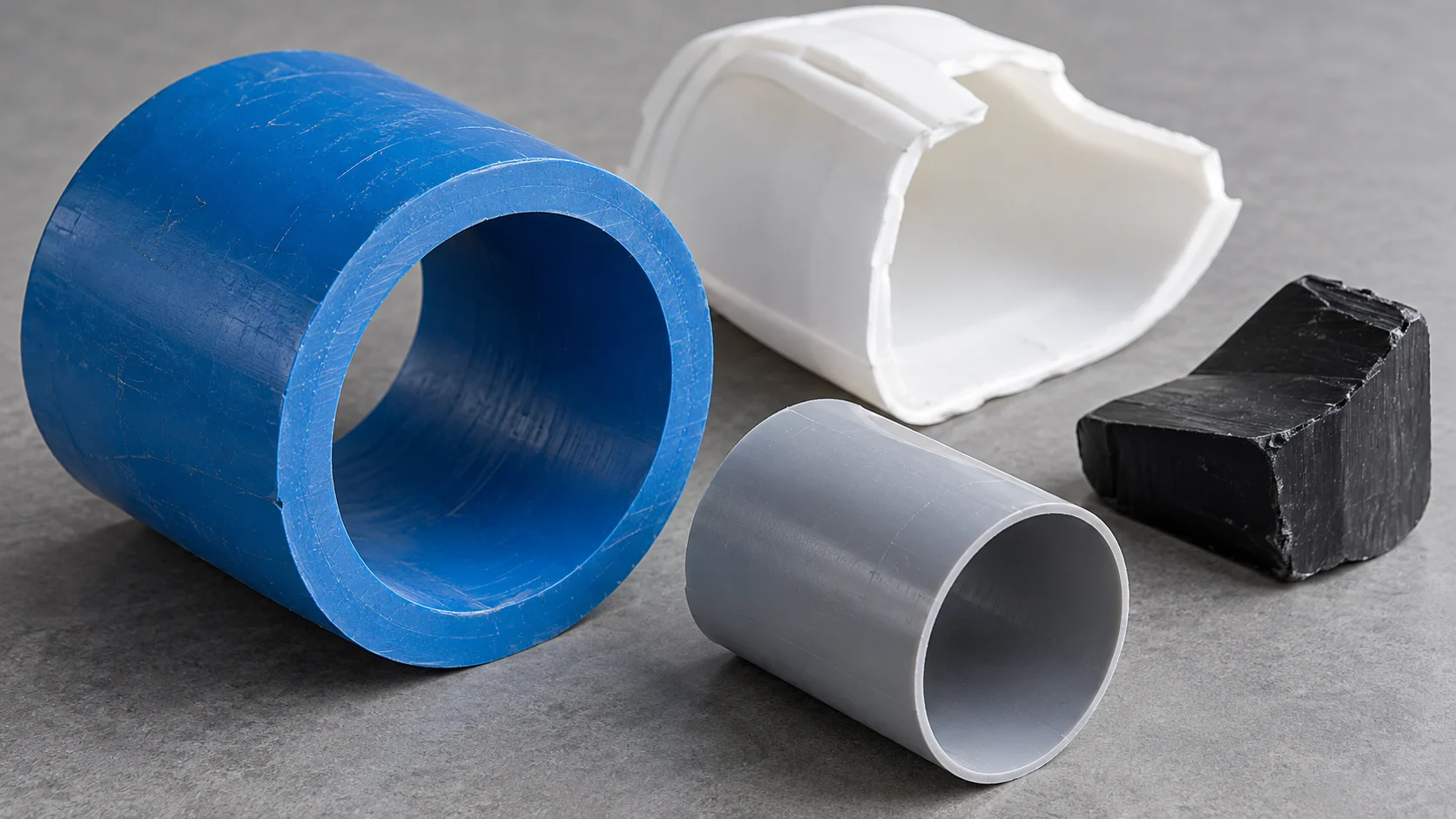
Published NJDETE website image; used for visual context, not as a performance-test record.
Further Viewing
Watch the NJDETE video channel. Ask for material and configuration details when using a demonstration to assess a purchase.
Accessories & Supporting Components
Shredder Chamber
The shredder chamber is the core working unit, available in mini, small, medium and large sizes. Fabricated from thick welded steel plates, it is fitted with bearing housings to support cutter shafts. Removable side panels simplify maintenance and knife replacement. Equipped internally with cutter shafts, moving blades, spacers and fixed blades, it shreds materials through intermeshing shear and tearing, with shredded output discharged from the bottom.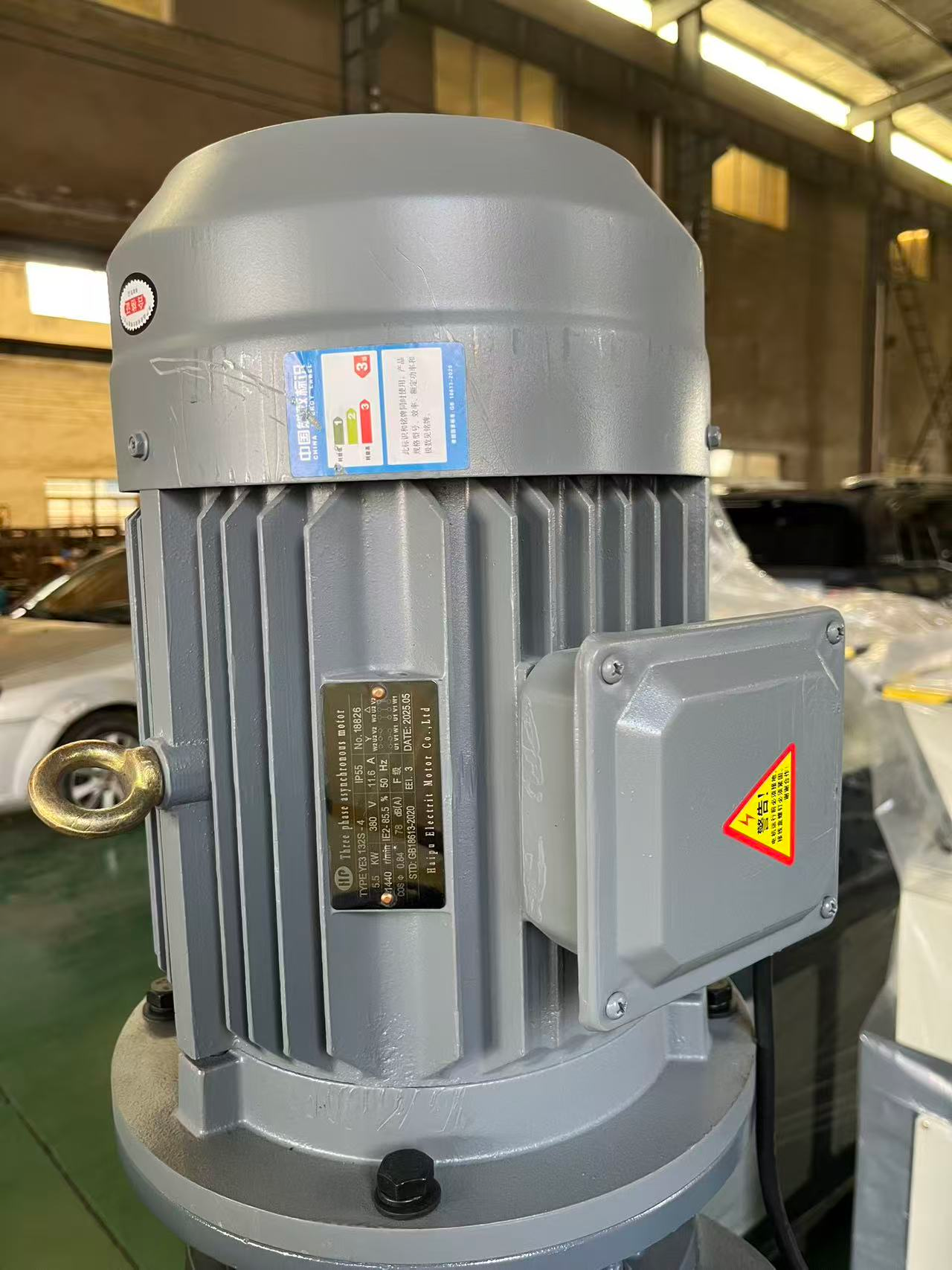
Shanghai Huyuan Motor
For shredders, Shanghai Huyuan motors are the preferred supporting power unit. Fully engineered for the harsh operating conditions of shredding equipment, they deliver excellent shock‑resistance and overload capacity, maintaining stable performance under material jams and frequent forward‑reverse rotation. The VFD‑compatible version supports automatic reverse protection against material jams.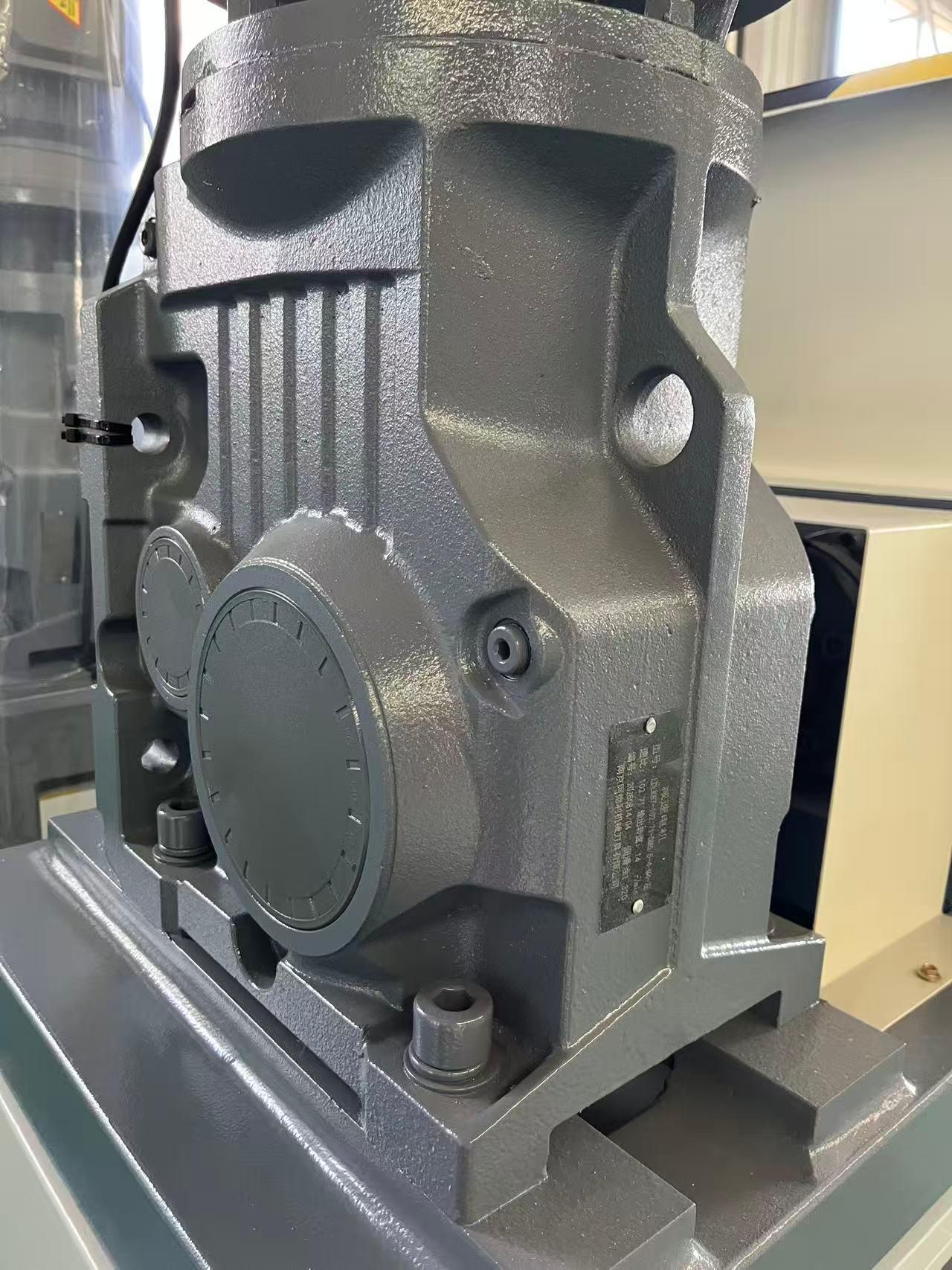
K-Series Hard-Tooth Reducer
This shredder is equipped with Shanghai Huyuan K-series hard-tooth reducers, specially designed for heavy-duty and impact shredding working conditions. With carburized and quenched gears, the reducer features outstanding impact and overload resistance, capable of withstanding instantaneous torque shocks caused by material jams and supporting frequent forward and reverse operation.Tags:
Key Features
Premium Raw Materials
SKD11 / D2 / H13 / 9CrSi tool steel with strict vacuum heat treatment, featuring high hardness HRC 55-62 and strong wear resistance.
Precision Machining
Advanced CNC machining centers and precision grinders ensure tight tolerances and consistent blade geometry every time.
OEM & ODM Service
Custom sizes per client drawings or samples. Flexible MOQ, sample orders welcome for testing before mass production.
Strict Quality Control
Hardness testing, dimensional measurement and visual inspection for every blade before delivery. ISO 9001 compliant processes.
Global Technical Support
Fast response and professional consultation for overseas clients. We provide material and specification recommendations based on your working conditions.
Competitive Pricing
Factory-direct pricing without middle layers. Stable supply chain and flexible production capacity ensure on-time delivery for small and bulk orders.
Applications & Use Cases
Frequently Asked Questions
What materials are available for shredder blades?
What is the typical lead time for custom shredder blades?
Do you accept OEM and ODM orders?
What is the expected service life of Dete shredder blades?
Which countries do you export to?
How should I determine the correct blade size and specification?
Related Products
-
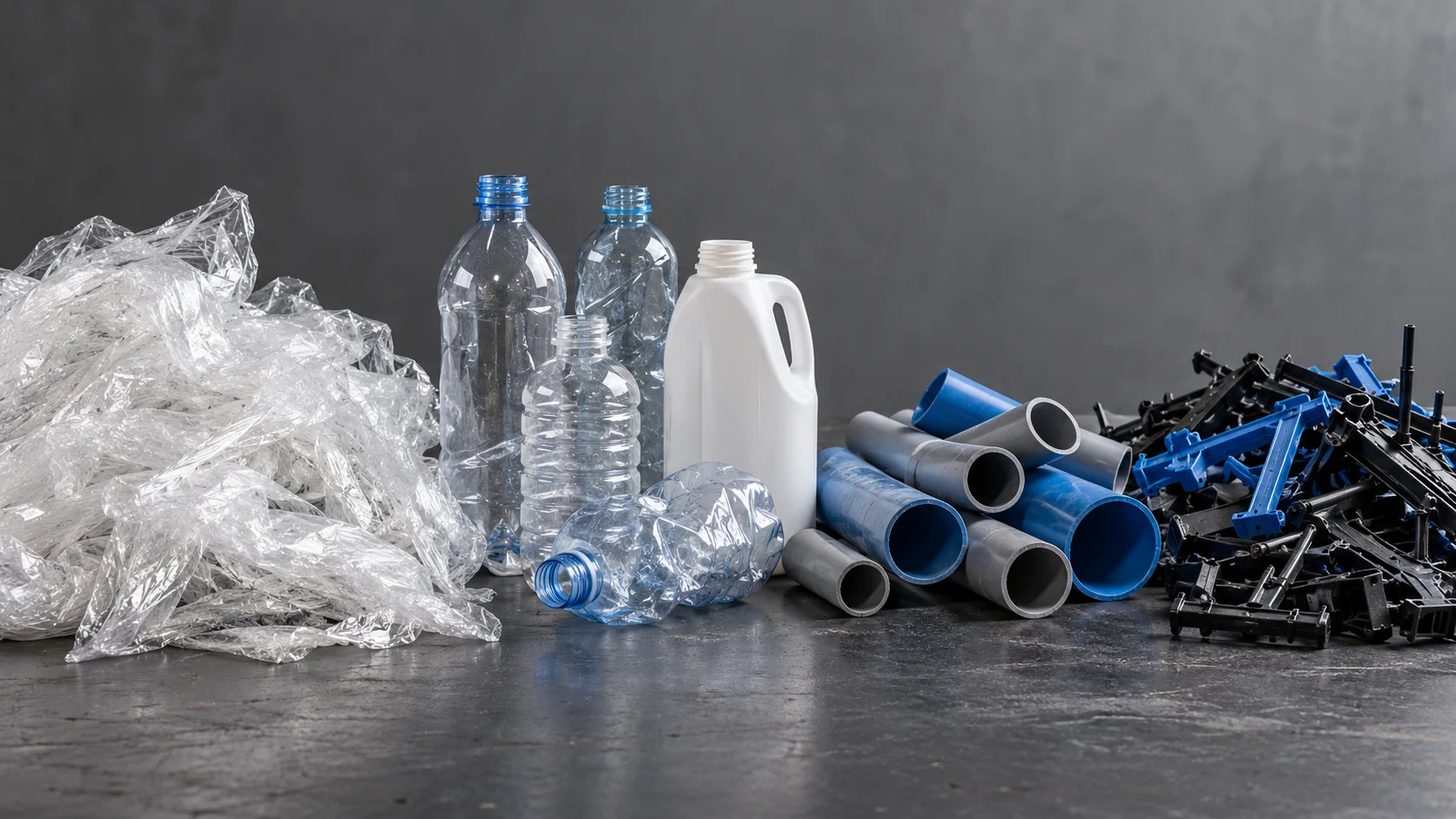
Industrial Shredder Buying: Evaluating Supplier Evidence Before You Order
-
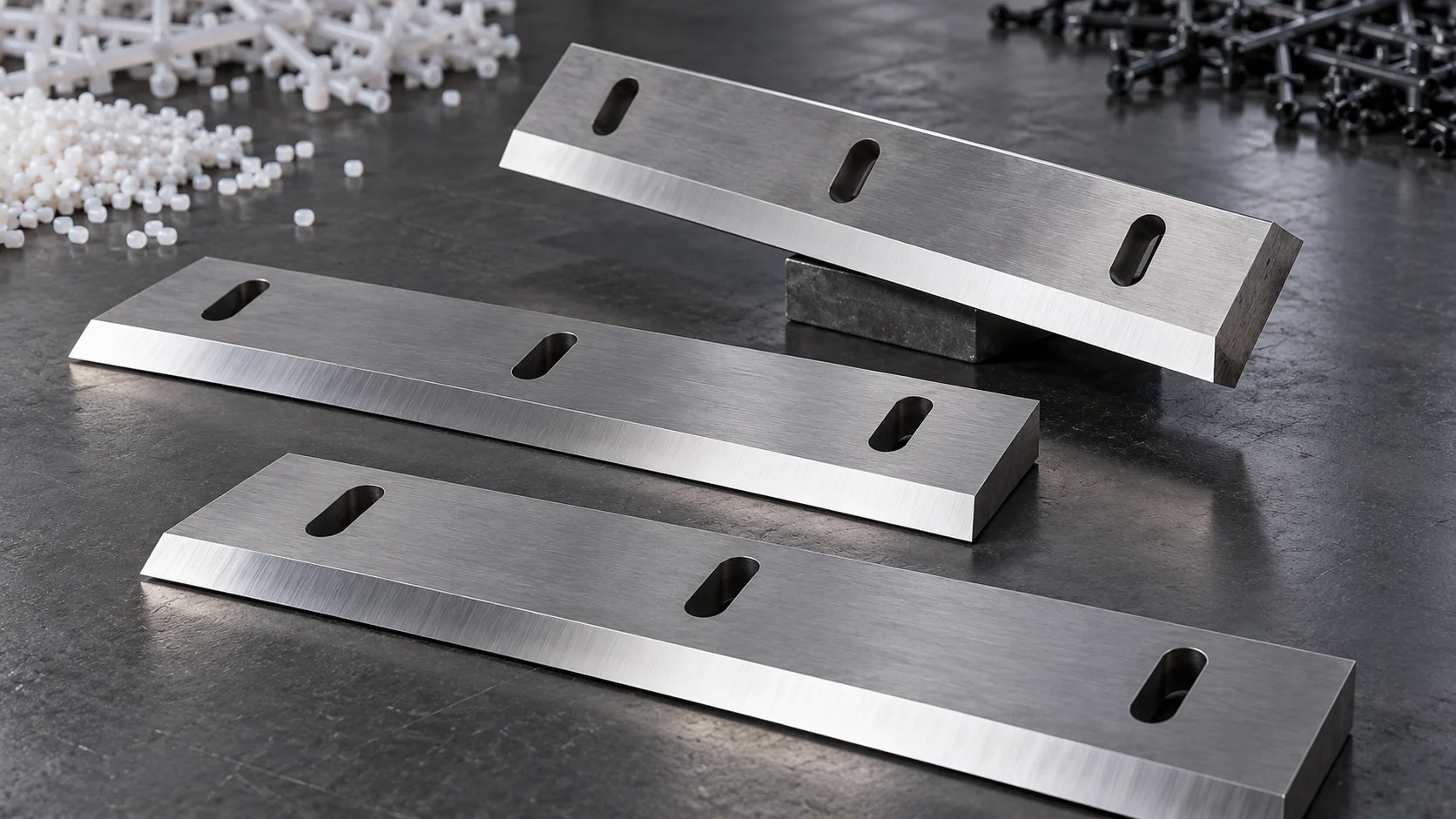
Plastic Granulator Cutting Problems: What to Check Before Replacing the Blades
-
Plastic Shredder vs Crusher vs Granulator: Choose the Process Before the Machine
-
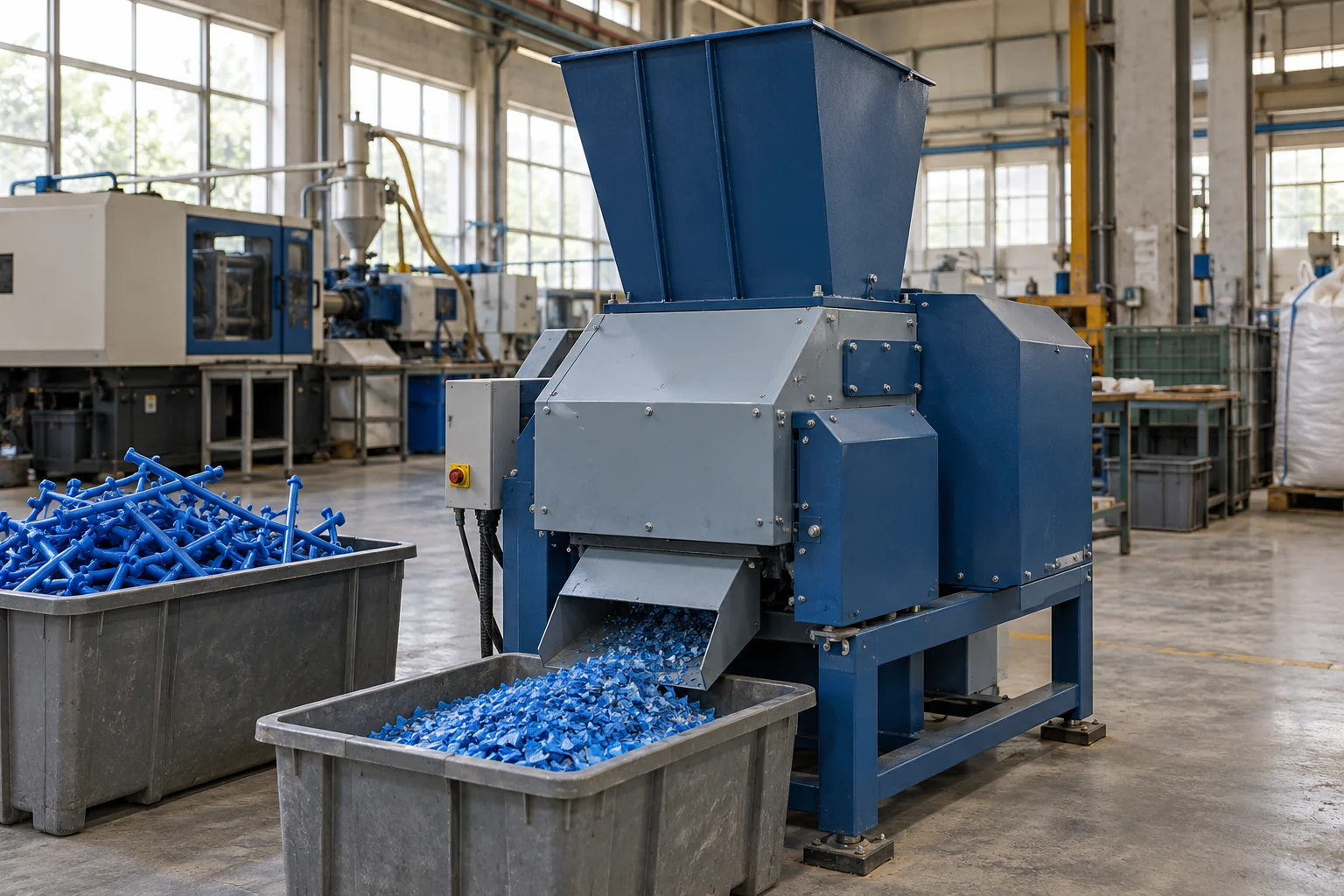
Plastic Crusher Machines: How They Work and What to Check Before Buying
-
NJDETE Double-Shaft Shredder Models: Mini to 500
-
Custom Straight and Special-Shaped Blades: A Replacement Guide