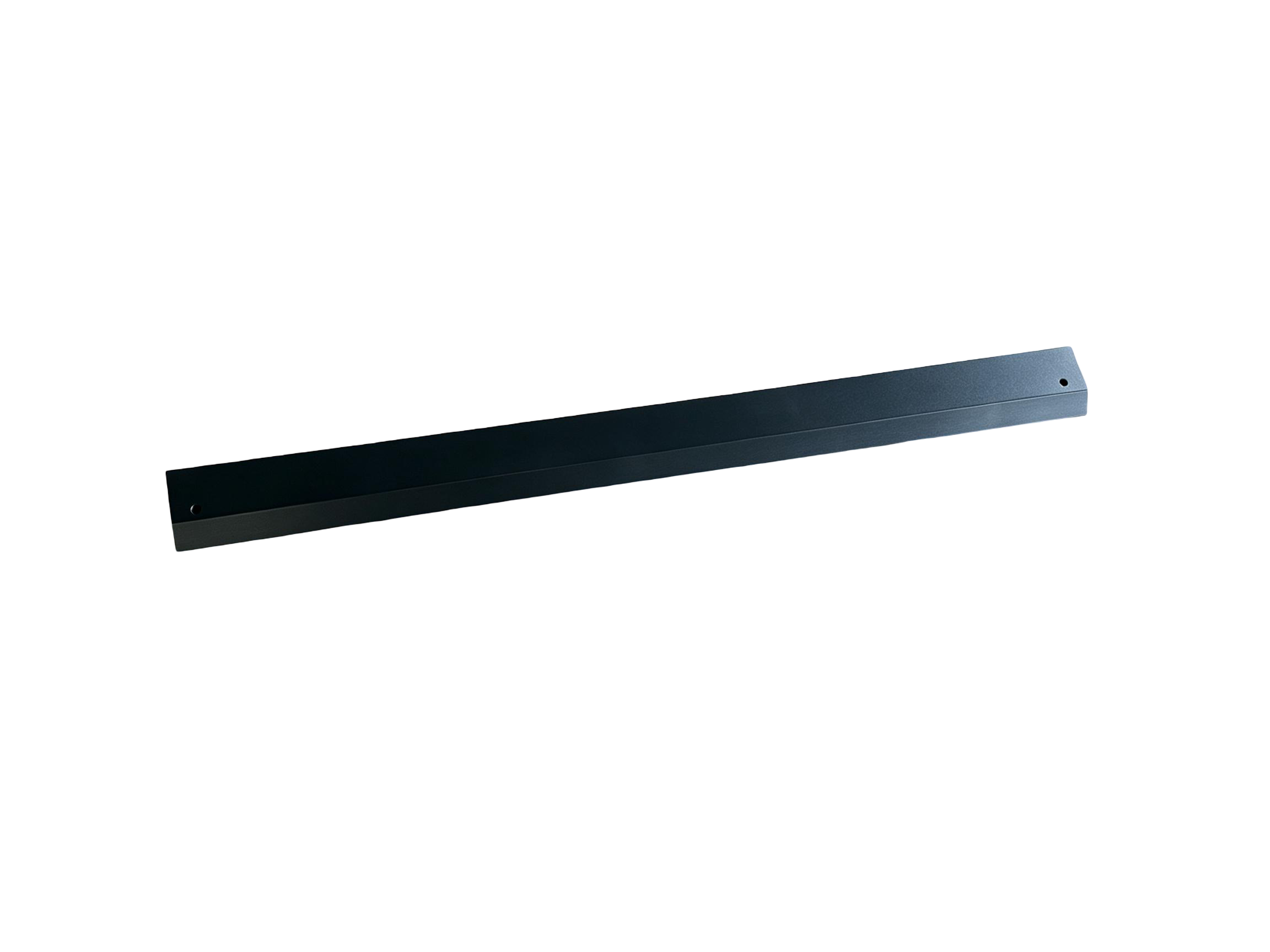



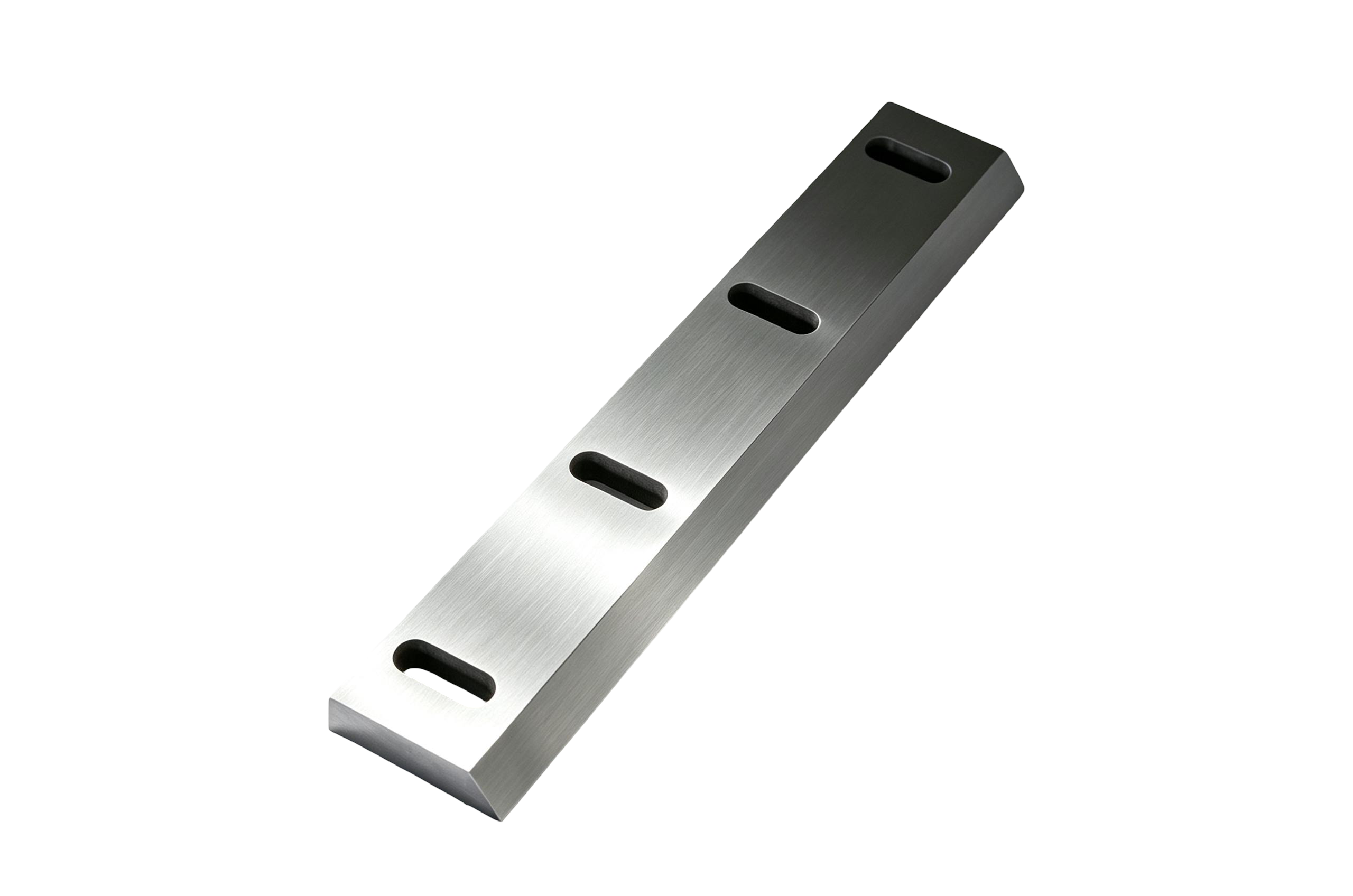
Лезвия для измельчителей пластика и ножи для грануляторов
Подробное описание
| Пункт спецификации | Описание |
|---|---|
| Материал | SKD-11 / Cr12MoV / 9CrSi tool steel (Material can be customized) |
| Manufacturing Process | Precision grinding & heat treatment |
| Конструкция крепления | Slotted adjustment holes |
| Настройка | Настраиваемые длина, ширина и толщина |
| Feature | Adjustable cutting gap for optimized crushing performance |
| Compatibility | Suitable for various plastic crusher models |
| Application Benefits | High hardness, excellent wear resistance, long service life, and easy adjustment |
Mainly used for granulating and crushing plastic materials, such as plastic bottles, injection molding sprues, plastic film, plastic pipes and plastic scraps. Widely applied in plastic recycling, plastic injection molding factories and waste plastic processing plants. Need to organize dimensions, mounting details and quantities first? Use our prepare your knife drawing and RFQ details guide. Comparing the rotating and stationary parts before you order? See our guide to роторные ножи против станичных ножей for replacement buyers.
Experiencing poor regrind, excess fines or uneven output from your granulator? See the plastic granulator cutting problems checklist to review knife condition, clearance, feedstock and screens before ordering replacement blades.
Start With the Rotor and Bed Knife Arrangement
A granulator knife order often begins with a blade lying on a desk. The more useful record shows where that blade works. Identify whether it rotates with the rotor or is mounted in a stationary position, then record the complete set used by the machine.
Rotor knives and bed knives form a cutting arrangement. Their mounting, edge geometry and available adjustment must be assessed together. Two blades with the same overall length may still differ in hole position, bevel orientation or remaining usable dimensions.
Use the machine identification and approved drawings as the main reference. If purchasing from samples, label each sample and describe any known regrinding. A worn or modified sample should not silently become the definition of a new knife.
Dimensions That Belong in the RFQ
| Пункт | Information needed |
|---|---|
| Overall geometry | Length, width, thickness and drawing units |
| Mounting | Hole count, centers, slots, recesses and orientation |
| Cutting edge | Bevel, edge direction and any specified finish |
| Location | Rotor or stationary position and quantity per location |
| Adjustment | Machine-specific reference surfaces and permitted remaining dimensions |
| Принятие | Agreed dimensions, tolerances and required records |
Photograph both faces and the ends. If a slot has worn or a mounting surface is damaged, identify it in the enquiry. An apparently simple straight knife can contain several features that decide whether it fits and adjusts correctly.
Этот https://njdete.com/custom-granulator-knives-rfq-guide/ provides a more detailed ordering route. For identification, see https://njdete.com/granulator-rotor-knives-vs-bed-knives/.
Material Selection Starts With the Cutting Problem
The published NJDETE product lists SKD11, Cr12MoV and 9CrSi options. A listed grade is not a promise that every option suits every feed. Describe the material being processed, fillers where known, contamination and the failure being investigated before requesting a change.
A rounded edge after routine use calls for a different review from a broken corner appearing soon after installation. Poor output may also involve the screen, feeding, mounting or adjustment. Changing steel without identifying the relevant condition can leave the underlying problem in place.
Ask for the material and heat-treatment requirement in the approved order. Where documentation matters to your receiving process, specify it before production. Avoid purchasing solely on a claim of “high hardness” or an unsupported service-life comparison.
Treat Regrinding as a Dimensional Decision
Before scheduling regrinding, establish which dimensions must remain for mounting and adjustment. Grinding removes material; the important question is whether the finished set can still meet the machine’s approved operating arrangement.
Keep the measured condition and the work performed with the knife record. If a shop processes several knives as a matched set, preserve that identification through packing and installation. Do not assume that individually sharp edges establish a correct complete assembly.
Этот https://njdete.com/granulator-blade-sharpening/ explains when to consider regrinding or replacement. Clearance and tightening requirements must come from the relevant machine instructions and approved setup, not a general value copied from another machine.
Incoming Inspection Before the Maintenance Window
Open the shipment while there is still time to resolve a discrepancy. Check knife identity, quantities and drawing revision, then inspect the agreed dimensions and mounting features. Link the results to the actual set rather than storing an unlabelled inspection sheet.
Review the supplied documentation and report visible damage before installation. An urgent shutdown is a difficult time to discover that the order used a different hole pattern or omitted the stationary knives.
Maintenance staff should receive the approved arrangement and machine instructions with the parts. Follow the site’s isolation and servicing procedures before inspection inside the machine. OSHA’s machine-guarding guidance discusses safeguarding during service; it does not replace the instructions and requirements applying to a particular installation.
Common Purchasing Questions
Can I order bed knives separately?
Yes, the enquiry can request them separately, but identify the rotor knives and available adjustment so compatibility can be reviewed. Specify the quantity and exact locations instead of assuming “one set” has a universal meaning.
Is a poor cut proof that the knives need replacement?
No. Record edge condition alongside the feed, mounting, adjustment and screen condition. Use the https://njdete.com/plastic-granulator-cutting-problems/ to structure the investigation before attributing the result to the knives alone.
What should accompany a first order?
Send machine identification, approved drawings or labelled samples, set quantities, feed description and acceptance requirements. State whether you need a complete rotor-and-bed set or individual replacements. Those details allow a useful technical review before pricing.
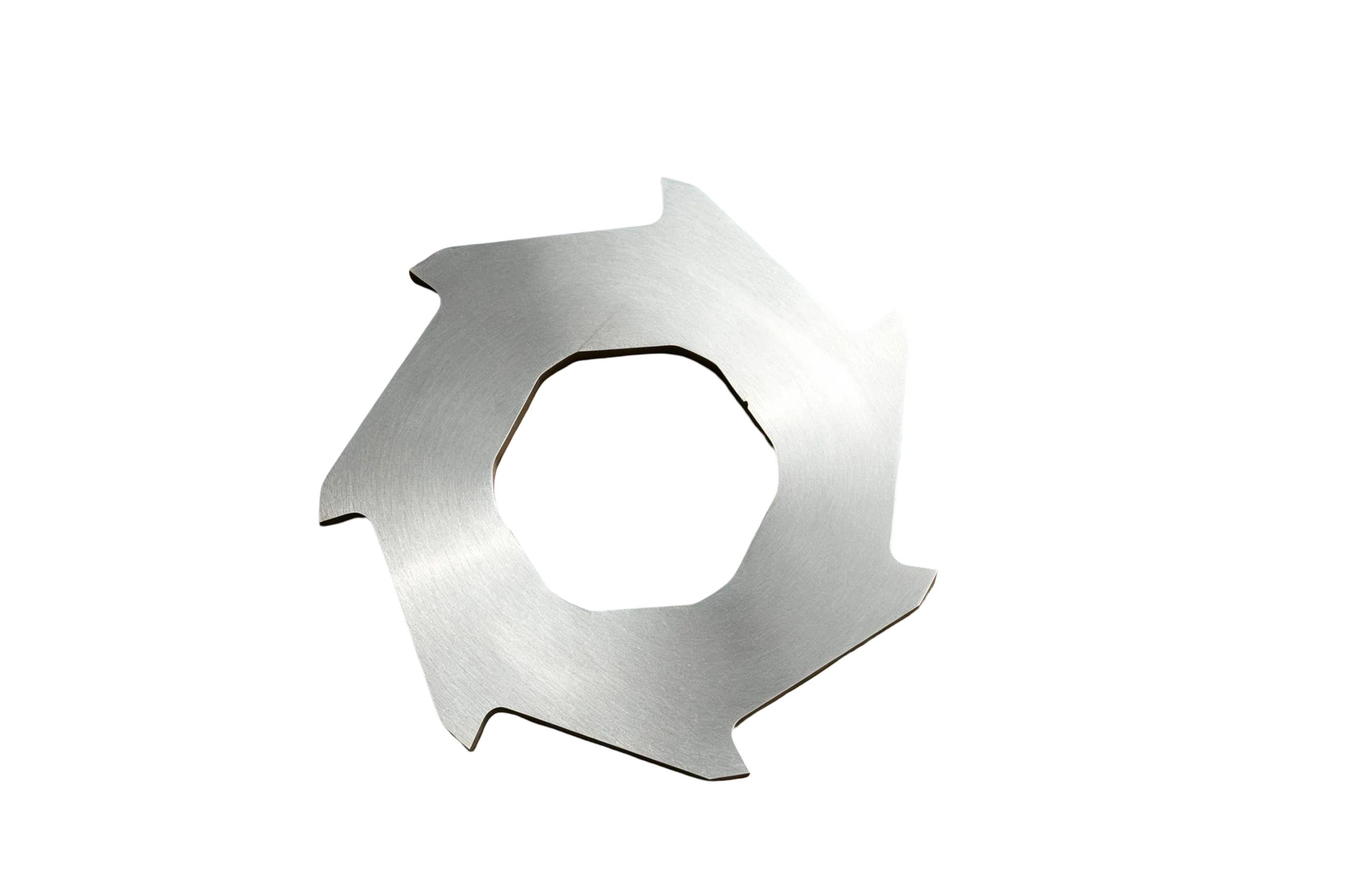
Published NJDETE website image; used for visual context, not as a performance-test record.
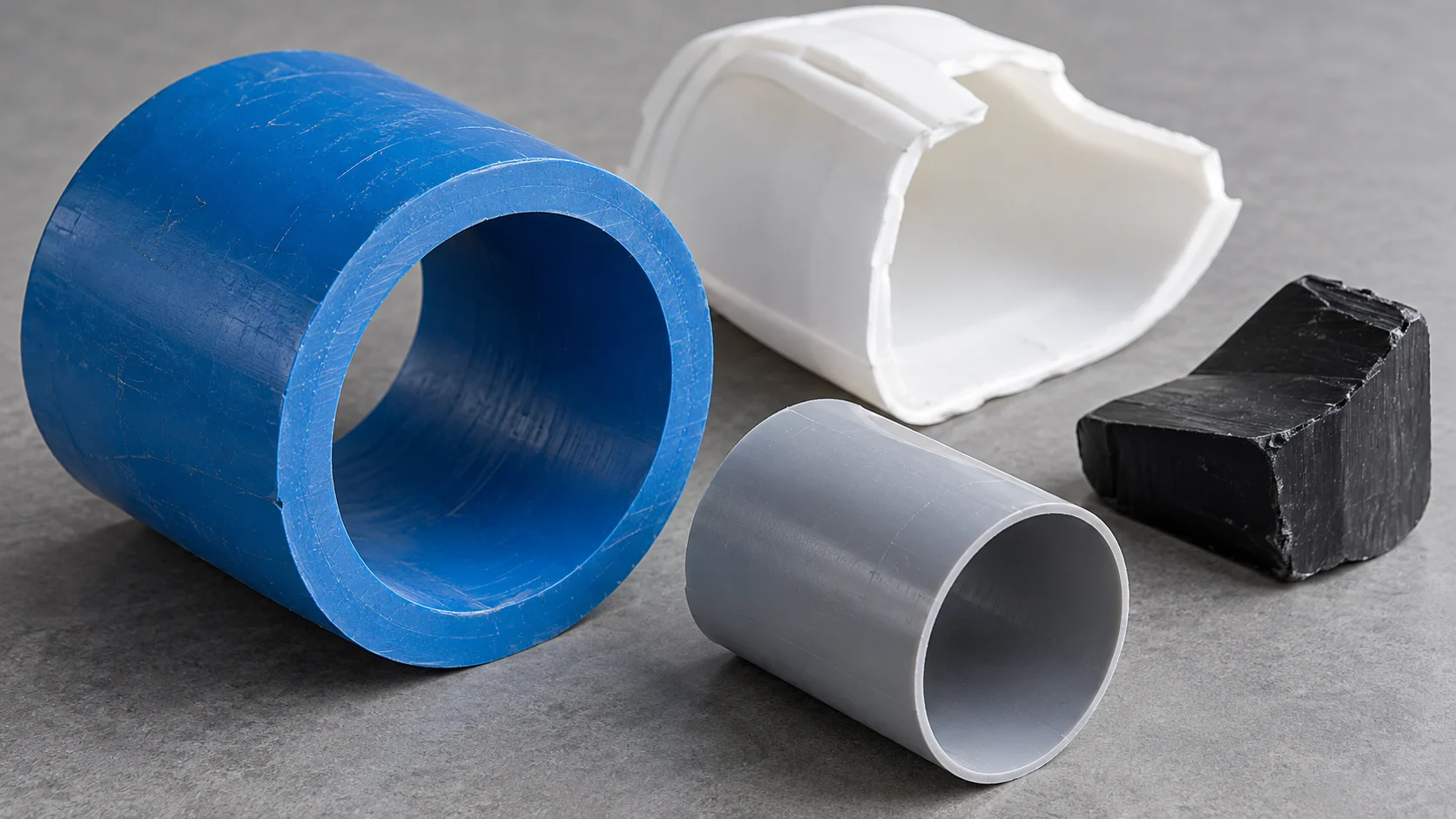
Published NJDETE website image; used for visual context, not as a performance-test record.
Further Viewing
Watch the NJDETE video channel. Ask for material and configuration details when using a demonstration to assess a purchase.
Основные особенности
Custom Replacement Dimensions
Specify length, width and thickness for the approved machine drawing.
Adjustable Mounting Slots
Slotted holes allow cutting-gap adjustment within the machine's specified setting range.
Multiple Tool-Steel Options
SKD11, Cr12MoV and 9CrSi are listed for application-based selection.
Precision-Ground Cutting Edges
Precision grinding and heat treatment form part of the published manufacturing process.
Приложения и сценарии использования
Переработка пластмасс и полимеров
Лезвия из сталей SKD11 и D2 — для твердых пластиков; из сталей H13 и 9CrSi — для абразивных стеклонаполненных или конструкционных полимеров.
Узнать больше →Измельчение шин и резины
Лезвия высокой твердости с опциональным твердосплавным напылением не подвержены прилипанию резины и аккуратно разрезают смешанный корд шин.
Узнать больше →Утилизация электронных отходов и измельчение печатных плат
Варианты лезвий из нержавеющей стали и с покрытием предотвращают прилипание материала, обеспечивая при этом длительный срок службы режущей кромки при обработке твёрдых точек пайки на печатных платах.
Узнать больше →