

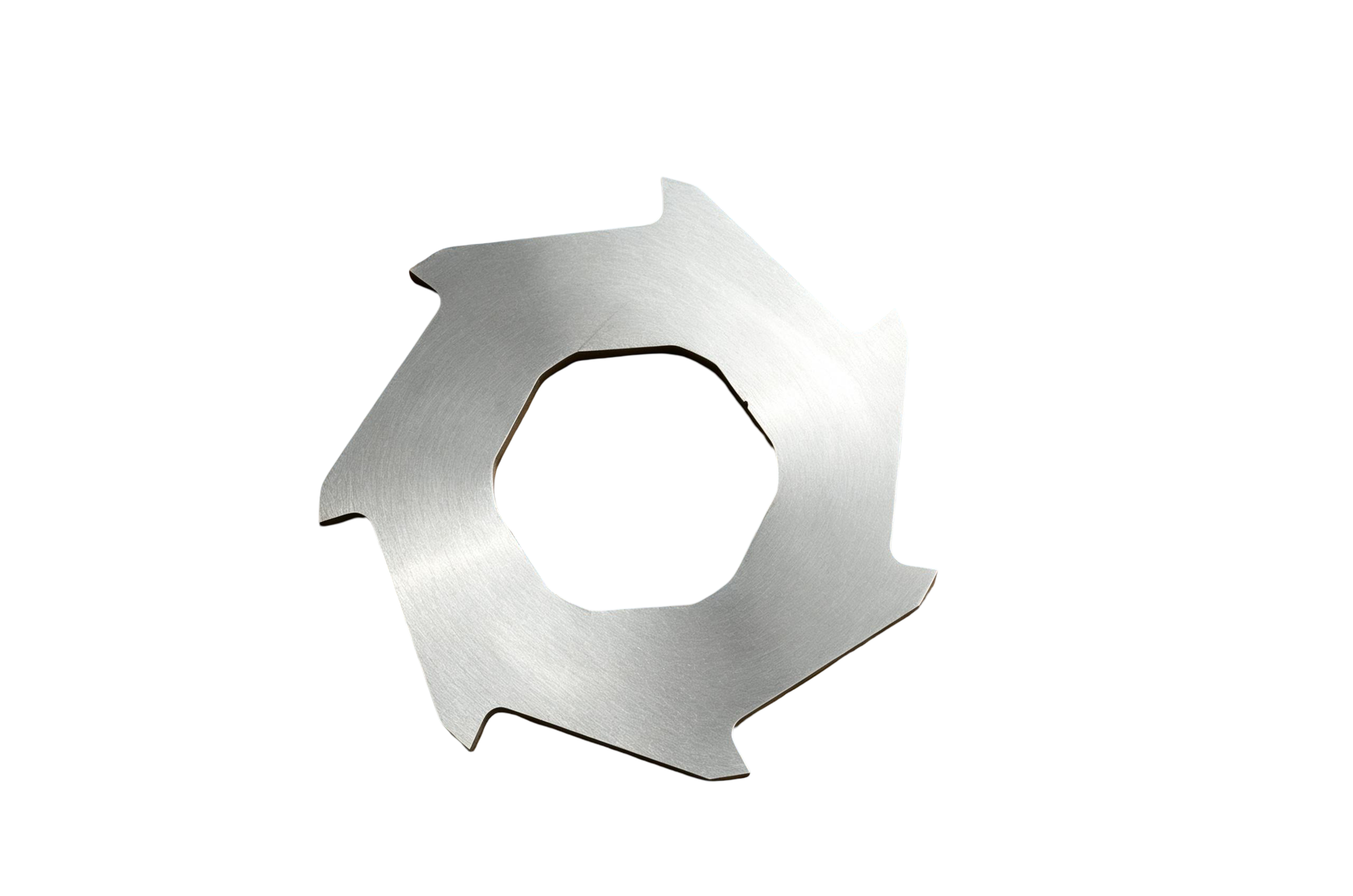
شفرات آلة التقطيع ذات المحورين
وصف تفصيلي
قائمة مراجعة مواصفات شفرات آلة التقطيع ذات المحورين
تتناسب هذه الشفرات البديلة مع آلات التقطيع ذات المحورين. للتأكد من ملاءمة القطعة البديلة، قارن الأبعاد التالية بالرسم المعتمد لديك أو بعينة صالحة للاستخدام.
| المعلمة | المواصفات | ما الذي يجب التحقق منه |
|---|---|---|
| القطر الخارجي | حسب العمق (على سبيل المثال: 180 مم لطرازات 300/400، و100 مم لطراز «ميني») | تأكد من مطابقة النسخة المعدلة من الرسم المعتمد؛ ولا تستنتج ذلك بناءً على قطر العمود وحده |
| السماكة | 5–40 ملم (قابلة للتعديل) | تأكد من أن عرض الفواصل وترتيب التكديس يتطابقان مع الأصل |
| القطر الداخلي / واجهة العمود | عن طريق الرسم | فتحة المفتاح، أو الفتحة المُشطَّبة، أو الفتحة المشقوقة — يرجى ذكر قطر العمود وأبعاد فتحة المفتاح |
| شكل السن | حسب الشكل (مخلب، مربع، أو شبه منحرف) | التقط صورة لوجه السكين بالكامل وجانبه؛ لا تستنتج ذلك من اسم المنتج |
| اتجاه الدوران | عن طريق الرسم | قد يكون اتجاه الشطبة في أقراص مجموعة القاطع متعاكسًا؛ يمكن تحديد ذلك من خلال موضع العمود |
| فاصل / غلاف | عن طريق الرسم | يرجى ذكر القطر الخارجي للفاصل، وقطر التجويف الداخلي، وطوله |
| الكمية في كل مجموعة | حسب الطراز (على سبيل المثال: 12 لطراز «ميني»، و15 لطراز «300»، و40 لطراز «400») | تأكيد عدد أقراص القطع لكل عمود وترتيب الفواصل |
| المواد | فولاذ الأدوات السبائكي 9CrSi / H13 (قابل للتخصيص) | اختر بناءً على نوع التلوث ونمط التآكل، وليس على أساس الصلابة وحدها |
| معالجة الأسطح | مُجهَّز ومعالج حراريًّا | التأكد من مواصفات المعالجة الحرارية ونطاق الصلابة |
| ظروف العمل | القص بسرعة منخفضة للأحمال الثقيلة | لعمليات القص ذات السرعة المنخفضة والعزم العالي باستخدام مجموعات قواطع مزدوجة، وليس آلات تصنيع الحبيبات بالصهر |
القيم المُشار إليها بعبارة «حسب الرسم» تتطلب تقديم الرسم المعتمد أو عينة مستعملة للتأكيد. ولا يكفي ذكر اسم السكين أو عرض صورة المنتج وحدهما لتحديد واجهة التثبيت أو هندسة الأسنان أو اتجاه الشطبة.
ظروف العمل واختيار المواد
يجب أن تتوافق درجة الصلب وهندسة حافة السكين مع ظروف التشغيل الفعلية، وليس مع تصنيف عام للصلابة. قبل طلب مادة مختلفة، يرجى وصف الوظيفة التي يؤديها السكين الحالي:
| الحالة الملاحظة | ما يجب التحقق منه | اعتبارات مادية |
|---|---|---|
| تدوير الحواف تدريجيًا | درجة خشونة المادة الخام، وحالة الغربال، وفراغ القطع | 9CrSi للبلاستيك العام؛ SKD11 / Cr12MoV للمواد الكاشطة أو المُعززة |
| تشققات موضعية أو كسر في الحواف | التلوث الصلب (المعادن، الحجارة)، أو الأحمال الصدمية، أو الفراغ غير الصحيح | فولاذ H13 المخصص للأعمال الساخنة لضمان مقاومة الصدمات؛ تأكد من وجود مسافة كافية قبل تغيير نوع الفولاذ |
| التآكل أو التراكم | رطوبة العلف، أو نسبة الحموضة، أو طريقة التنظيف | خيار الفولاذ المقاوم للصدأ للمواد الخام المسببة للتآكل؛ يجب معالجة مصدر التلوث أولاً |
| تآكل غير متساوٍ في موضع واحد | محاذاة التجميع، أو تركيز التغذية، أو حالة حامل السكين | لا توجد درجة من الفولاذ قادرة على حل مشكلة التثبيت؛ لذا يجب تصحيح طريقة التركيب أولاً |
سجل نوع المادة، والمواد المالئة المعروفة، والسمك الأقصى للمقطع، وشكل التغذية، والملوثات. اذكر أيضًا ما إذا كانت القطع تصل منفردة أم مجمعة أم بدرجة حرارة مختلفة. عبارة «استخدم شفرة أكثر صلابة» لا تتضمن المعلومات اللازمة لتقييم الاقتراح.
تصنيع الشفرات حسب الطلب: مسار العمل بناءً على الرسم أو العينة
تقوم شركة NJDETE بتصنيع شفرات بديلة لآلات التقطيع وفقًا للرسومات المعتمدة أو العينات المستخدمة. ويضمن سير العمل أن تكون الشفرات البديلة متوافقة مع الترتيب الحالي للشفرات في الآلة.
- أنت ترسل: تحديد نوع الماكينة، ورسم تخطيطي (مع الإشارة إلى المراجعة ووحدات القياس) أو عينة قابلة للاستخدام، وأبعاد قرص القطع لكل عمود، ومواصفات الفواصل، وتفاصيل واجهة العمود، والكميات المطلوبة، ومشكلة القطع أو نمط التآكل إن كان معروفًا.
- تؤكد NJDETE ما يلي: القطر الخارجي، والسماكة، وهندسة التجويف/فتحة المفتاح/الشق، وشكل الأسنان، واتجاه الحافة المائلة، وأبعاد الفاصل، واختيار المواد، ومواصفات المعالجة الحرارية.
- وفيما يلي تفاصيل الإنتاج: التعديل المعتمد على الرسم. إذا قدمت عينة مستعملة، فإن NJDETE تسجل سجل إعادة طحنها وتميّز الأبعاد المتآكلة عن الأبعاد الأصلية. لا تقدم الحواف المتآكلة على أنها هندسة أصلية مؤكدة.
- الفحص: تخضع السكاكين النهائية للفحص مقارنةً بالرسم المعتمد. ويتم الاتفاق على التفاوتات المسموح بها وطريقة الفحص قبل بدء الإنتاج.
إذا لم يكن لديك رسم تخطيطي، فيُرجى إرسال صور أمامية وجانبية للسكين الحالي، بالإضافة إلى القياسات الأولية ولوحة بيانات الماكينة. يمكن لـ NJDETE المساعدة في تحديد المواصفات بناءً على عينة، ولكن يجب تأكيد الرسم التخطيطي قبل البدء في الإنتاج.
الموارد ذات الصلة
- كيفية قياس شفرات آلة التقطيع لاستبدالها — ما الذي يجب تسجيله قبل طلب عرض أسعار
- تآكل شفرات آلة التقطيع: متى يجب إعادة شحذها ومتى يجب استبدالها — الاختيار بين التصحيح، وإعادة الطحن، والاستبدال
- سكاكين الطحن المخصصة: دليل طلبات عروض الأسعار — ما الذي يجب إرساله للحصول على عرض أسعار دقيق للقطع البديلة
أرسل الرسم أو العينة للحصول على عرض أسعار للاستبدال
Ordering Plastic Shredder Blades for an Existing Machine
A replacement cutter needs to fit the machine that is running today. The original sales model, a photograph and an outside diameter are useful starting points, but they leave several mating features unresolved. Before production, agree the complete cutter drawing and the arrangement in which the parts will work.
For plastic shredder blades, describe the actual feed as well as the machine. Thin runners, thick moldings and loose flexible scrap do not present the same cutting task. Record known fillers, hard inclusions and the location of damage on the current set. This information helps distinguish a material question from an assembly or feed problem.
A disc-type double-shaft cutter should not be ordered as though it were a single-shaft rotor block. The mounting interface, orientation and assembly differ. If the machine identification is uncertain, send photographs of the whole cutting arrangement with individual parts identified, rather than selecting a visually similar blade from a catalogue.
Confirm the Set Before Approving Individual Parts
| Part or feature | What the purchasing record should contain |
|---|---|
| Cutter disc | Drawing revision, outside diameter, thickness, bore and tooth geometry |
| Shaft interface | Approved hole profile and associated locating features |
| Spacer | Width, diameters and position in the assembly |
| Orientation | Shaft identity and sequence where different parts are used |
| Set quantity | Pieces per position, shaft and complete machine |
| Material requirement | Agreed grade, heat treatment and inspection documentation |
Ask whether the order covers loose discs, discs and spacers, or an assembled package. These are different supply scopes. A price described as “per set” is not comparable until the quantities and included parts are clear.
Keep the assembly record with the approved part drawings. It is particularly important when a machine has been modified or its cutters have been reground. A sample from one position may not represent every part on both shafts.
A Used Sample Needs a Condition Record
A worn knife carries useful fitting information, but its cutting edge may no longer show the original geometry. Mark known reground surfaces and identify any dimensions that are provisional. If several samples have different wear, label their positions before shipment.
Do not force an apparently close part onto the shaft to establish compatibility. Dimensional inspection and the machine-specific approval process should settle fit before installation. Where the approved original geometry is unavailable, record how the proposed replacement drawing was established and who has accepted it.
الـ https://njdete.com/how-to-measure-shredder-blades/ explains the information to collect. The https://njdete.com/shredder-blade-replacement-guide/ covers the wider maintenance and ordering record.
What to Ask for With the Finished Blades
The inspection record should identify the order and drawing revision. Agree which dimensions will be reported, which instruments or methods will be used and whether material and heat-treatment records are required. A general statement that the parts were inspected does not tell receiving staff whether they match the approved order.
A hardness result is one part of that record. Specify the agreed test method, acceptance requirement and identification of the tested part or batch. Do not compare unexplained hardness numbers from different quotations as proof of cutting life. Neither a material label nor a hardness reading establishes the complete condition of the edge, bore and mating surfaces.
Keep parts protected and identified during transport. Ask how different cutter positions or orientations will be marked without damaging functional surfaces. At receipt, check quantities and identification against the packing list before releasing the set to maintenance.
Comparing Two Replacement Quotes
Compare the same drawing, quantities and inspection scope. One quotation may include spacers and documented checks while another covers only cutter discs. Freight, packing and any sample-return arrangements should also be visible.
For a first order, discuss how approval samples or the first production set will be assessed. Record the required decision before the remaining quantity is released. This creates a clearer purchasing boundary than approving an entire order on the basis of a catalogue photograph.
See the https://njdete.com/shredder-blade-price-quote-comparison/ for the commercial checklist. Material decisions should be reviewed with the operating problem and cutter geometry, rather than treated as an automatic upgrade.
Questions Before You Send the Enquiry
Can I replace only the most worn discs?
Ask for a review of the complete assembly and its remaining parts. New and worn components may create fitting or operating differences that a single-part measurement misses. The decision belongs with the machine-specific maintenance assessment.
Can a thinner cutter reduce my output size?
Not reliably on thickness alone. The cutter stack, mating components, feed and discharge behavior all matter. Any proposed change needs an approved assembly and an output assessment; it is not simply a different purchasing line item.
What if I only have photographs?
Use them for preliminary identification. Include a scale, full-face and side views, machine information and the problem being addressed. Make clear that a final production drawing still requires confirmation.
Send NJDETE the current drawing or sample information, required quantities and assembly details for a replacement review. If the order is urgent, state the required delivery date separately from the technical acceptance requirements.
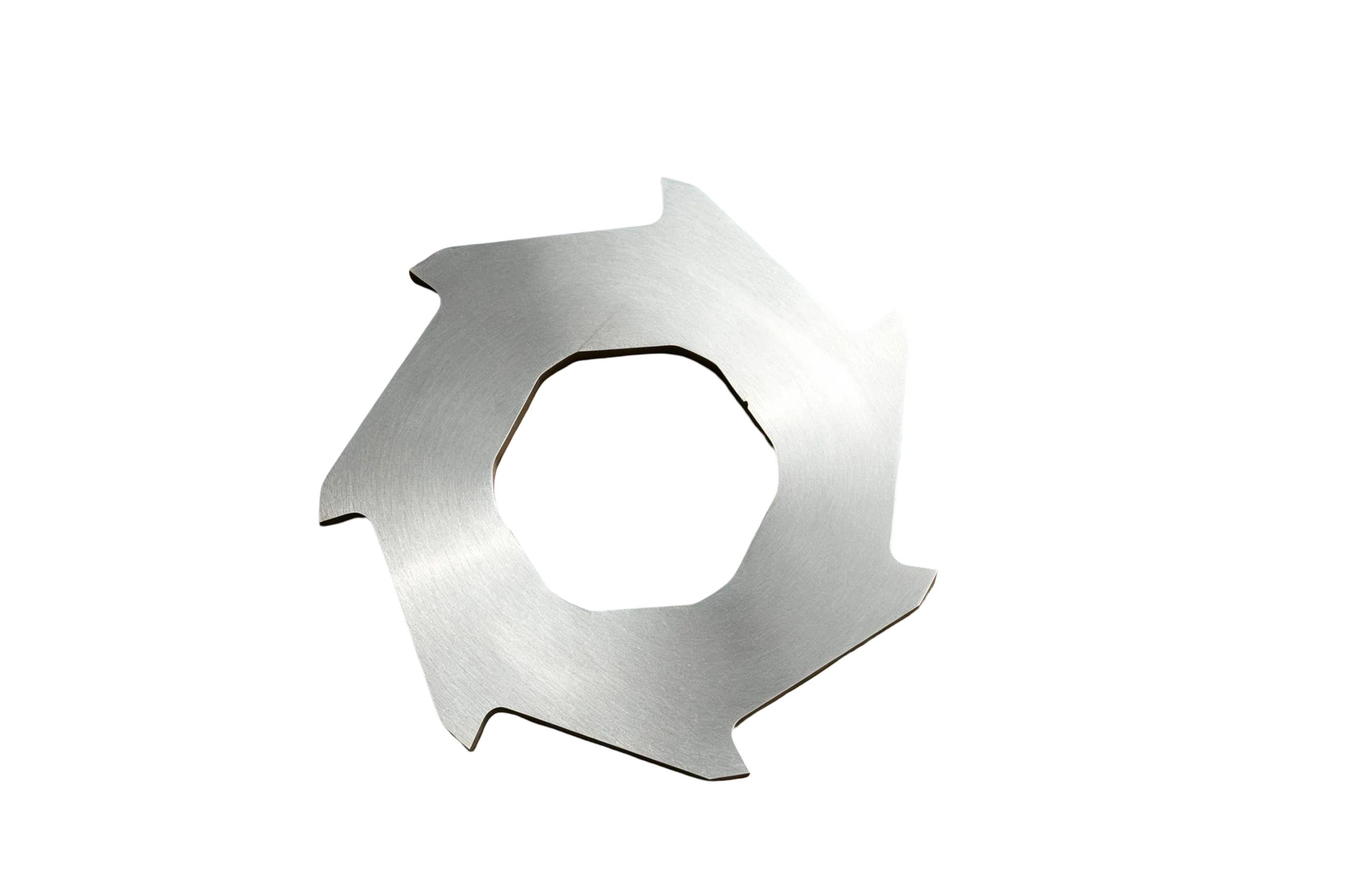
Published NJDETE website image; used for visual context, not as a performance-test record.
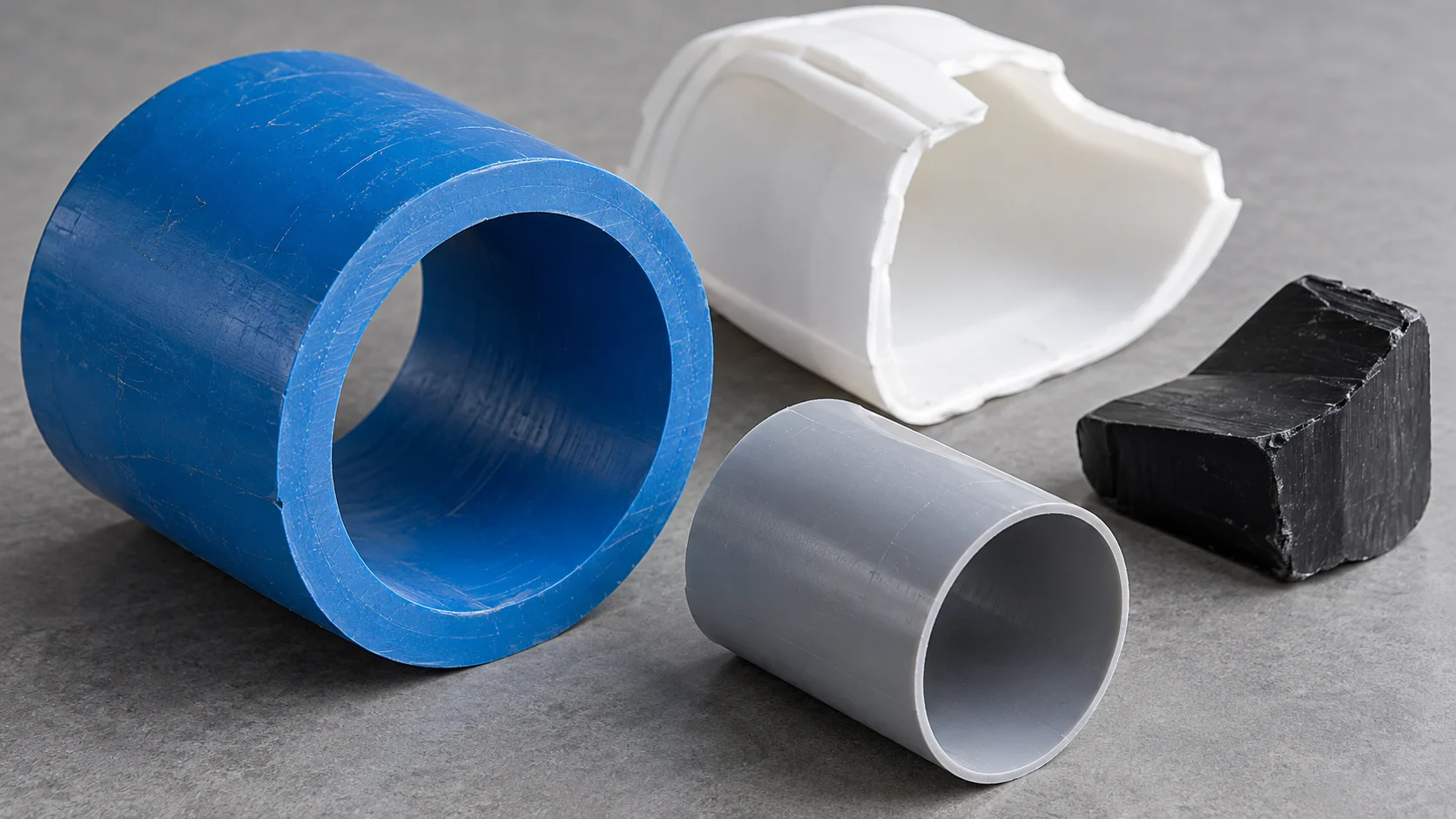
Published NJDETE website image; used for visual context, not as a performance-test record.
Further Viewing
Watch the NJDETE video channel. Ask for material and configuration details when using a demonstration to assess a purchase.
العلامات:
الميزات الرئيسية
قطر وفتحة مخصصة
حدد القطر الخارجي وهندسة التجويف بحيث تتوافق مع الرسم المعتمد للعمود.
نطاق السماكة: 5–40 مم
تتيح خيارات السماكة المخصصة تصميم مجموعات القواطع وفقًا لمتطلبات الاستخدام المحدد.
خيارات 9CrSi و H13
تشكل خيارات الفولاذ المدرجة في القائمة نقطة انطلاق لاختيار المواد والمعالجة الحرارية.
ملامح الأسنان المخصصة
تكييف شكل الأسنان مع المادة الخام المستهدفة وترتيب القطع.
التطبيقات وحالات الاستخدام
معالجة البلاستيك والبوليمرات
شفرات من نوع SKD11 وD2 للبلاستيك الصلب؛ وشفرات من نوع H13 و9CrSi للبوليمرات الكاشطة المملوءة بالزجاج أو البوليمرات الهندسية.
اعرف المزيد →تقطيع الإطارات والمطاط
تتميز الشفرات عالية الصلابة المزودة بأطراف كربيدية اختيارية بمقاومة التصاق المطاط، وتقطع خيوط الإطارات المختلطة بشكل نظيف.
اعرف المزيد →النفايات الإلكترونية وتقطيع لوحات الدوائر المطبوعة (PCB)
تمنع خيارات الشفرات المصنوعة من الفولاذ المقاوم للصدأ والشفرات المطلية التصاق المواد مع الحفاظ على عمر الحافة عند نقاط اللحام الصلبة في لوحات الدوائر المطبوعة.
اعرف المزيد →الأسئلة الشائعة
ما هي الأبعاد المطلوبة لشفرات آلة التقطيع البديلة؟
كيف يمكنني الاختيار بين المواد المتاحة لصناعة الشفرات؟
هل يمكنني تغيير سماكة القاطع للحصول على مخرجات أصغر حجمًا؟
هل يمكن إعادة شحذ شفرات آلة التقطيع البالية بدلاً من استبدالها؟
المنتجات ذات الصلة
-
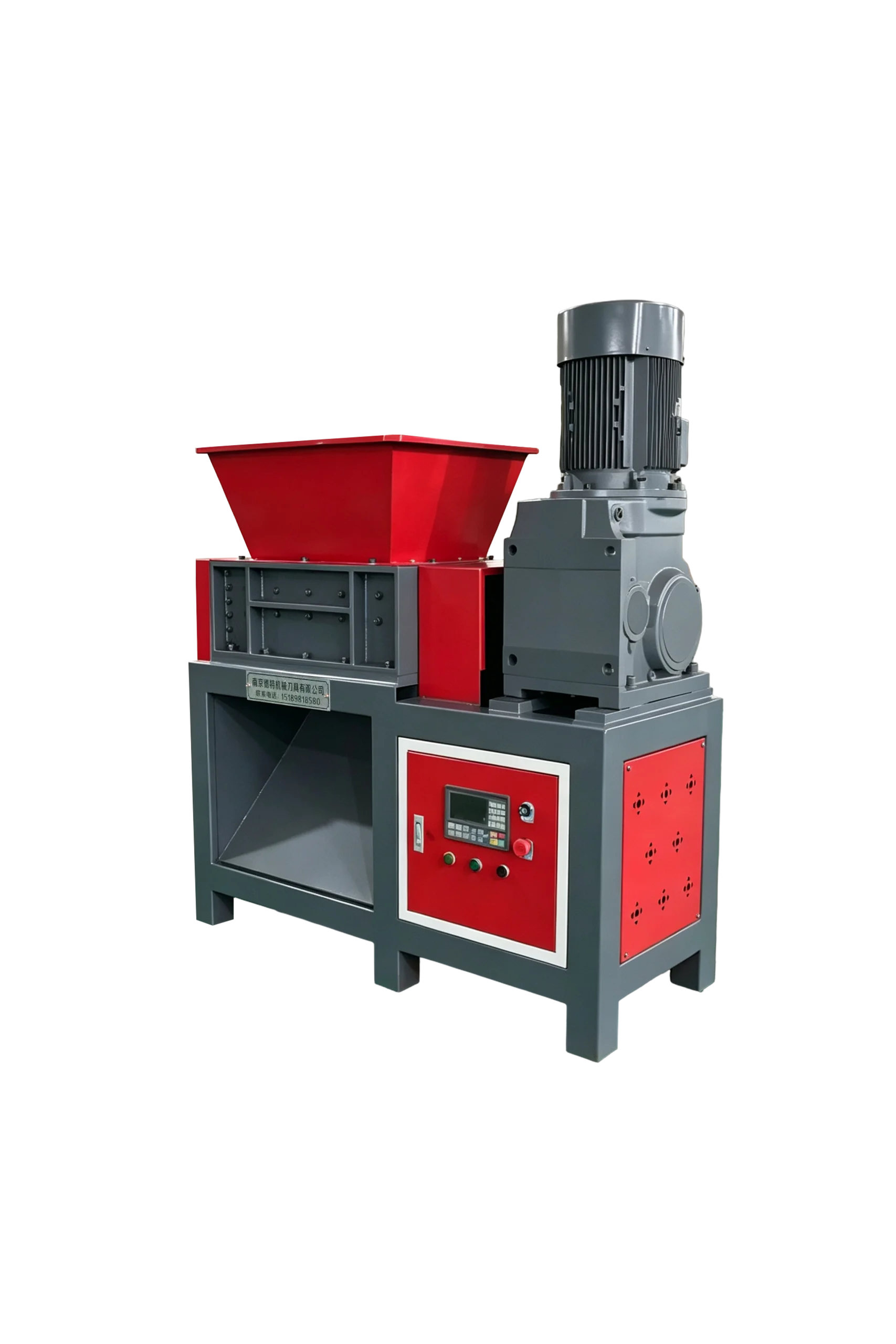
آلة التقطيع ثنائية المحور من طراز 500، متعددة الاستخدامات والمخصصة للأعمال الشاقة
-
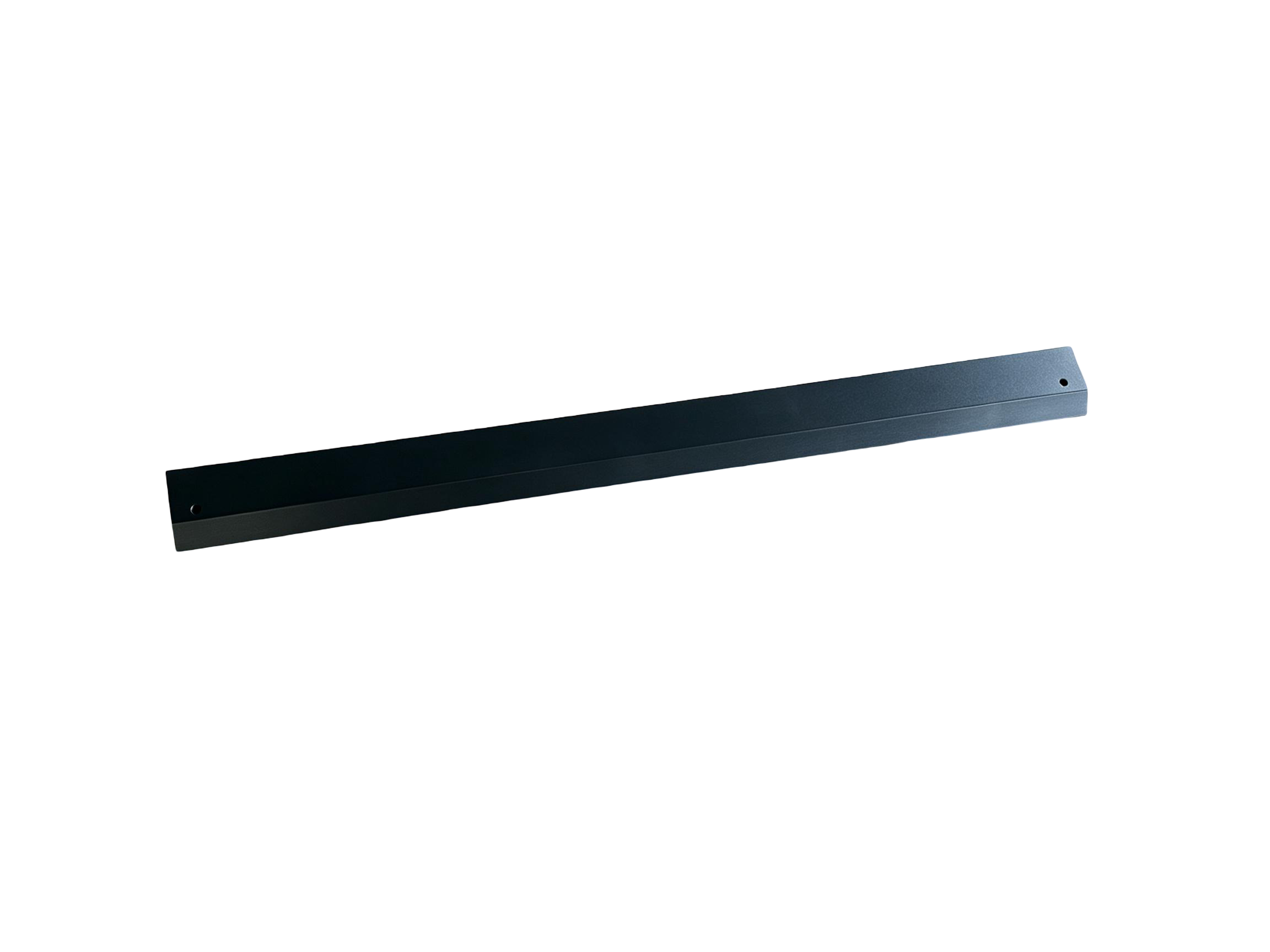
شفرة القطع الساخنة
-
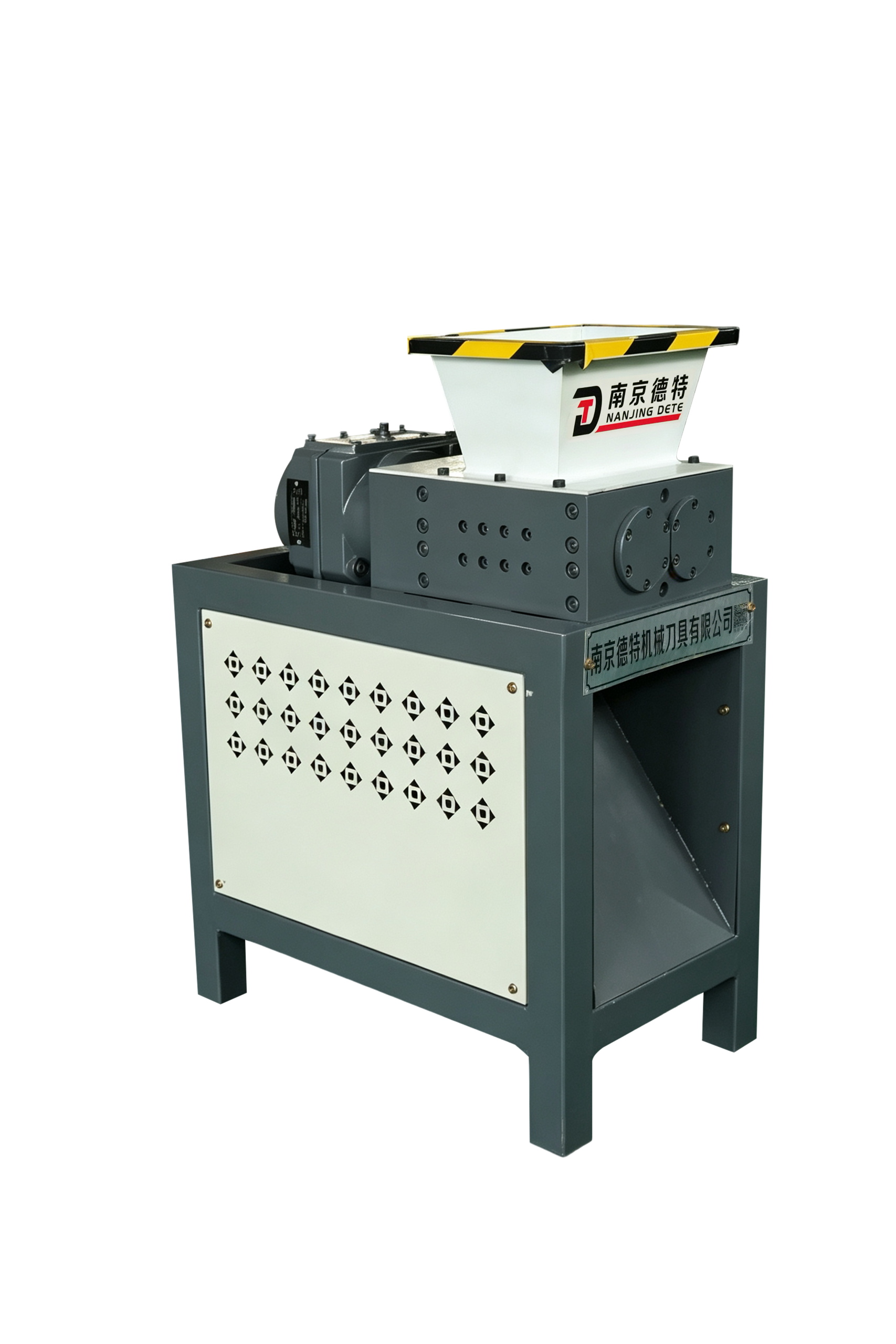
آلة تمزيق صناعية مدمجة ذات عمودين من طراز «ميني» مخصصة لعمليات إعادة التدوير الصغيرة
-
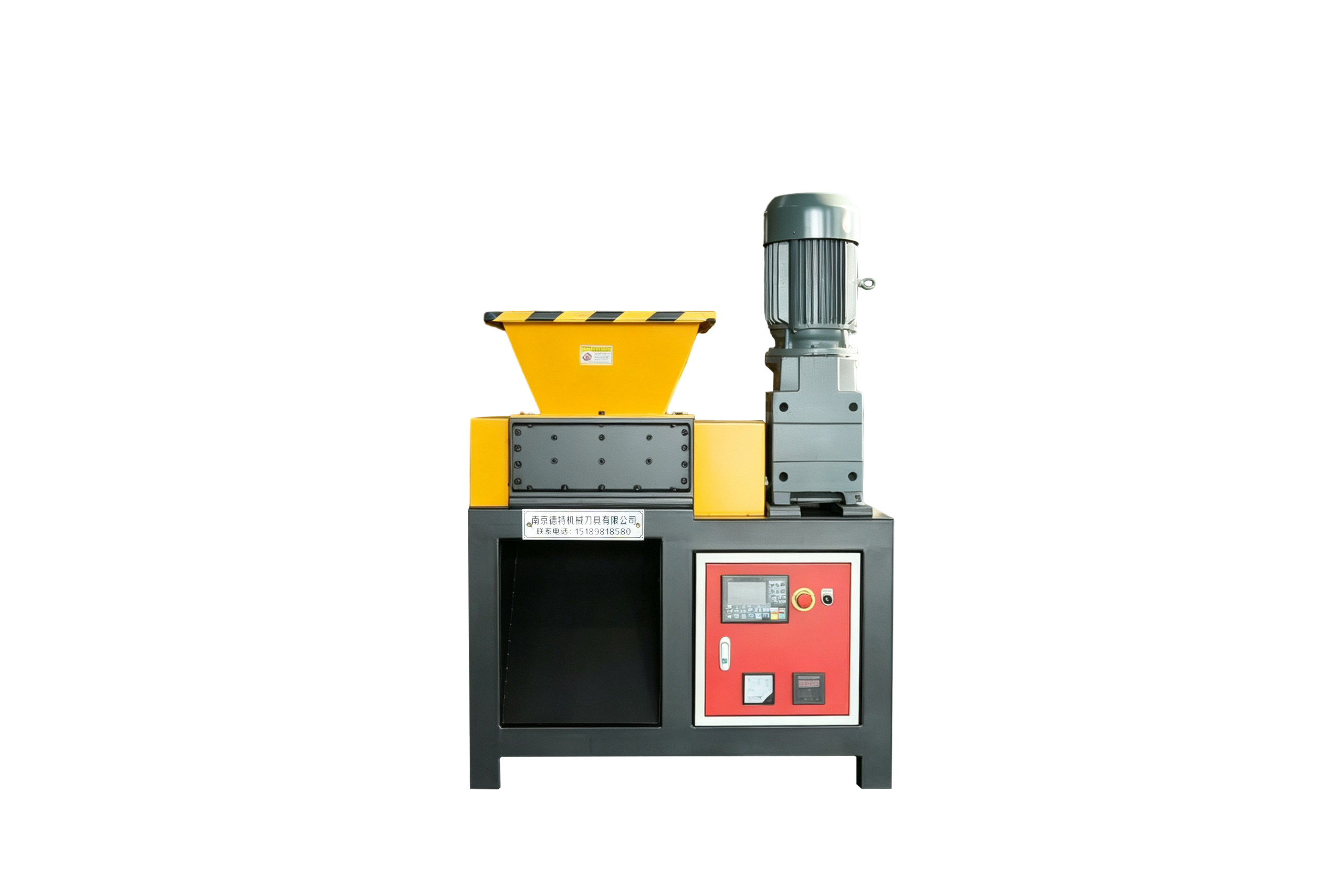
آلة تقطيع صناعية متينة من طراز 300 ذات المحورين
-
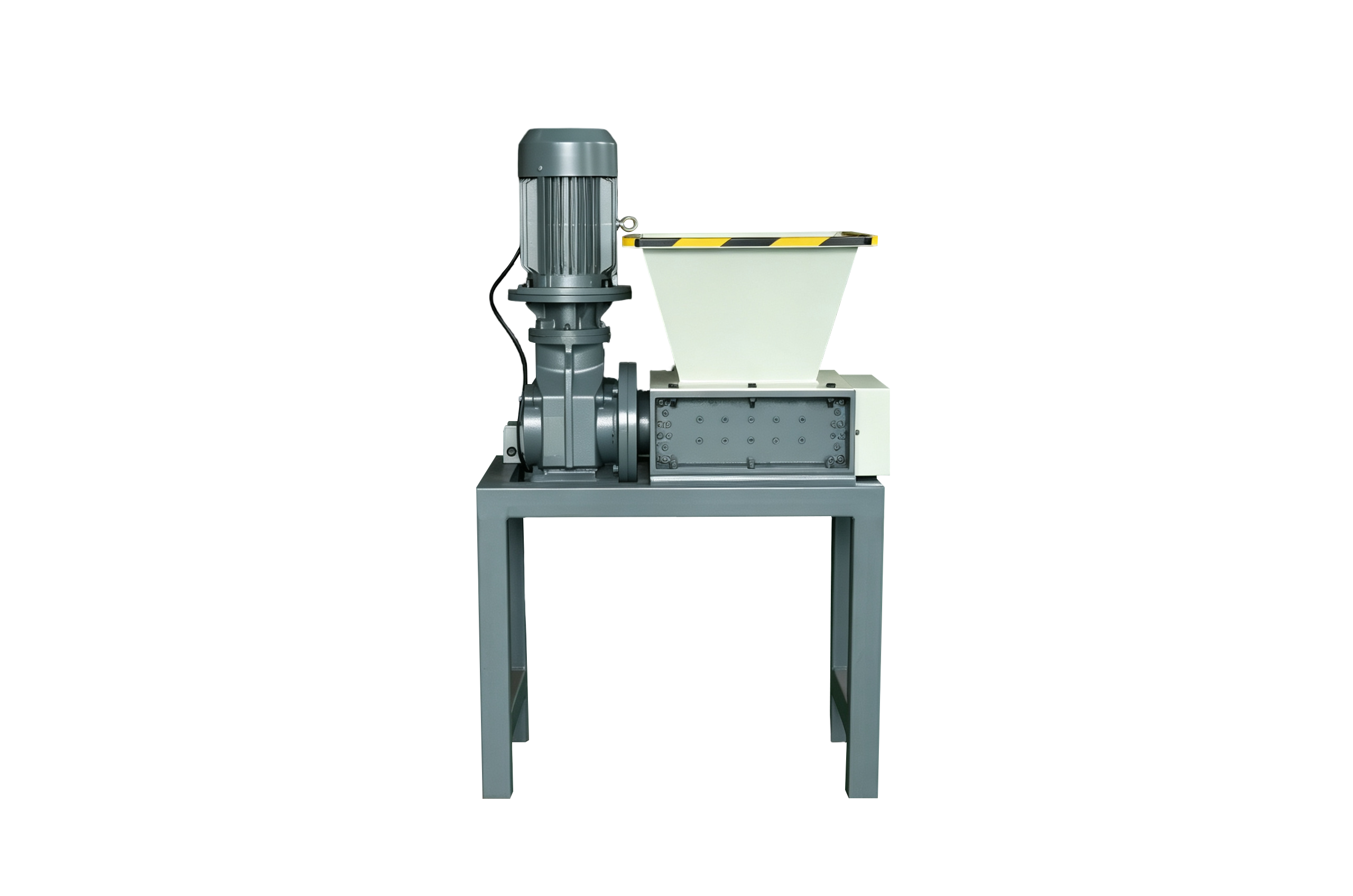
آلة تقطيع النفايات ذات المحورين من طراز 250 المتينة
-
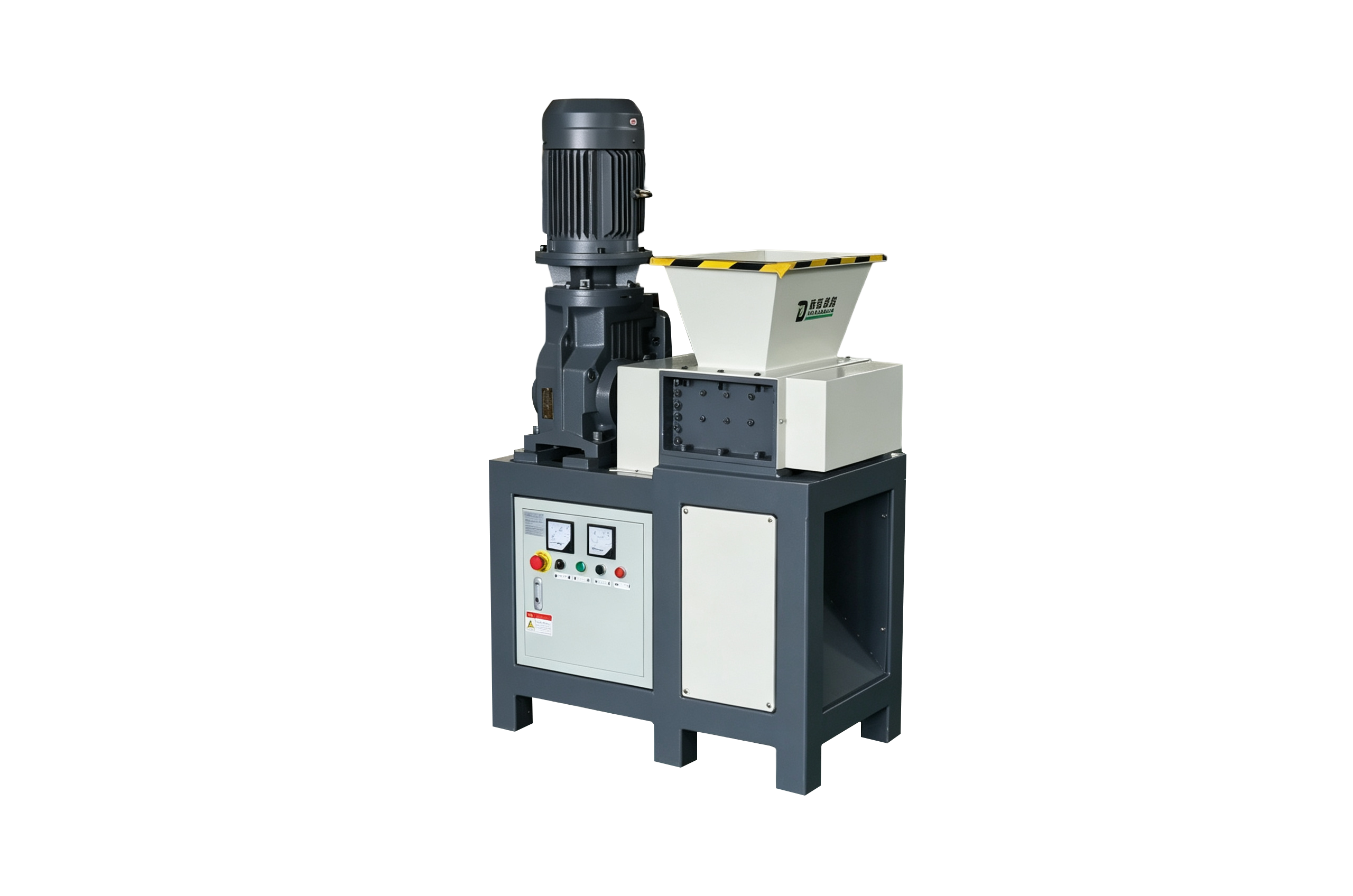
آلة تقطيع صغيرة الحجم ومتينة من طراز 150 ذات المحورين