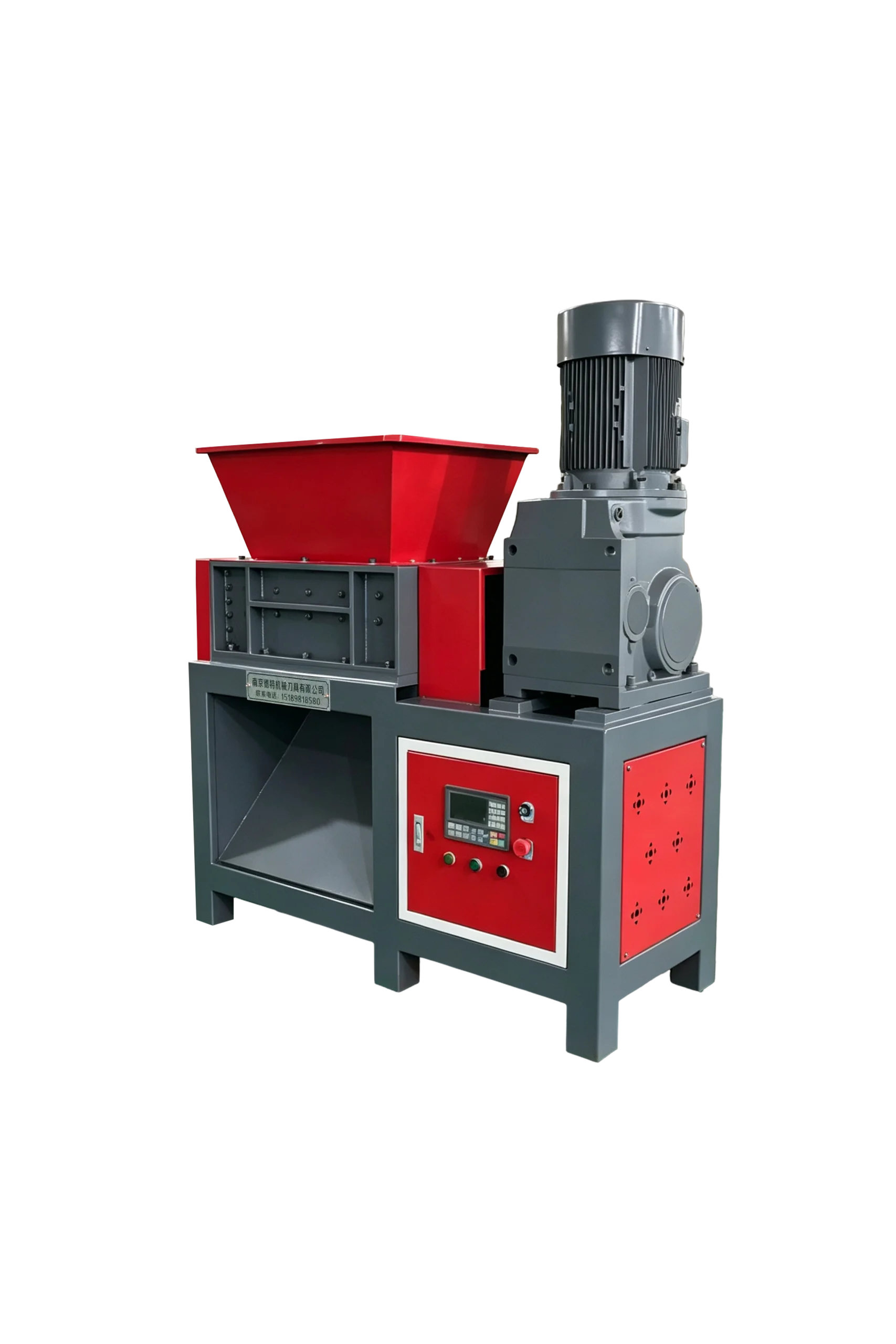



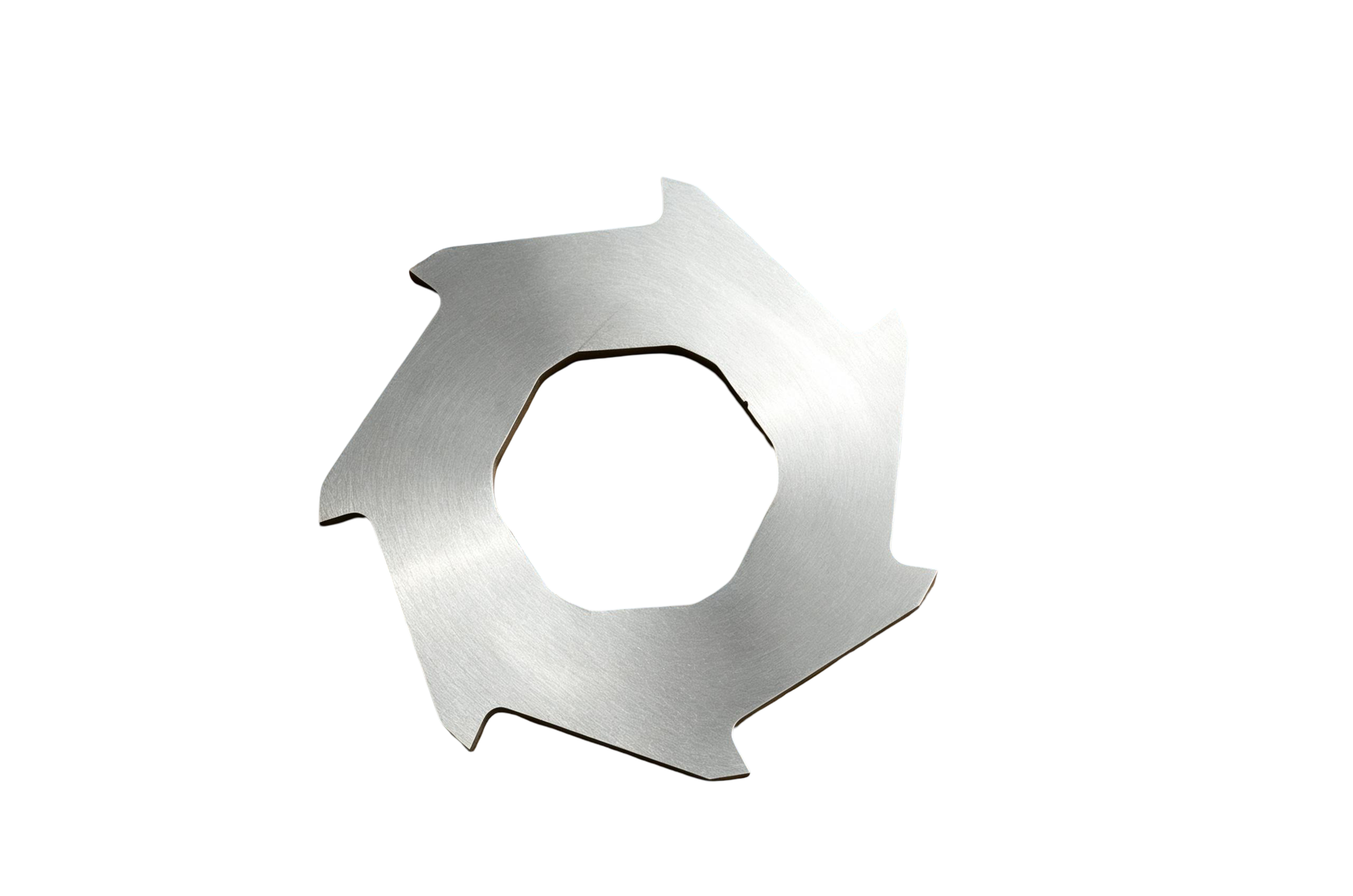
Double-Shaft Shredder Blades
Detailed Description
Double-Shaft Shredder Blade Specification Checklist
These replacement blades fit double-shaft shredder machines. To confirm a replacement, compare the following dimensions against your approved drawing or a usable sample.
| Parameter | Specification | What to verify |
|---|---|---|
| Outer Diameter | By drawing (e.g. 180 mm for 300/400 models, 100 mm for Mini) | Match the approved drawing revision; do not infer from shaft diameter alone |
| Thickness | 5–40 mm (customizable) | Confirm spacer width and stacking arrangement match the original |
| Inner Bore / Shaft Interface | By drawing | Keyway, spline, or slotted hole — include shaft diameter and keyway dimensions |
| Tooth Profile | By drawing (claw, square, or trapezoidal) | Photograph the full knife face and side; do not assume from product name |
| Rotation Direction | By drawing | Cutter stack discs may have opposite bevel orientation; identify by shaft position |
| Spacer / Sleeve | By drawing | Include spacer outer diameter, inner bore and length |
| Quantity per Set | By machine (e.g. 12 for Mini, 15 for 300, 40 for 400) | Confirm cutter disc count per shaft and spacer arrangement |
| Material | 9CrSi / H13 Alloy Tool Steel (customizable) | Select based on contamination and wear mode, not hardness alone |
| Surface Treatment | Finished & heat-treated | Confirm heat treatment specification and hardness range |
| Working Condition | Low-speed heavy-load shearing | For low-speed high-torque shearing with paired cutter stacks, not melt pelletizers |
Values marked “by drawing” require the approved drawing or a used sample for confirmation. A knife name or product photo alone does not establish the mounting interface, tooth geometry or bevel direction.
Working Condition and Material Selection
The steel grade and edge geometry should match the actual operating condition, not a generic hardness ranking. Before requesting a different material, describe what the current knife is doing:
| Observed condition | What to check | Material consideration |
|---|---|---|
| Gradual edge rounding | Abrasiveness of the feedstock, screen condition and cutting clearance | 9CrSi for general plastic; SKD11 / Cr12MoV for abrasive or filled material |
| Localized chipping or edge fracture | Hard contamination (metal, stone), impact loading, or incorrect clearance | H13 hot-work steel for impact resistance; verify clearance before changing steel |
| Corrosion or buildup | Feed moisture, acid content, or cleaning method | Stainless option for corrosive feeds; address the contamination source first |
| Uneven wear at one position | Assembly alignment, feed concentration, or knife holder condition | No steel grade fixes a mounting problem; correct the installation first |
Record the material, known fillers, maximum section thickness, feed form and contaminants. Include whether parts arrive loose, bundled or at a different temperature. “Use a harder blade” leaves out the information needed to assess the proposal.
Custom Blade Manufacturing: Drawing or Sample Workflow
NJDETE manufactures replacement shredder blades to your approved drawing or used sample. The workflow ensures the replacement matches the machine’s current knife arrangement.
- You submit: Machine identification, drawing (with revision and units) or usable sample, cutter disc dimensions per shaft, spacer specs, and shaft interface details, required quantities, and the cutting problem or wear mode if known.
- NJDETE confirms: Outer diameter, thickness, bore / keyway / slot geometry, tooth profile, bevel orientation, spacer dimensions, material selection and heat treatment specification.
- Production follows: The approved drawing revision. If you supply a used sample, NJDETE records its regrinding history and distinguishes worn dimensions from original dimensions. Do not present worn edges as confirmed original geometry.
- Inspection: Finished knives are checked against the approved drawing. Tolerances and inspection method are agreed before production.
If you do not have a drawing, send full-face and side photographs of the current knife, preliminary measurements and the machine nameplate. NJDETE can help identify the specification from a sample, but the drawing must be confirmed before production.
Related Resources
- How to Measure Shredder Blades for Replacement — what to record before requesting a quotation
- Shredder Blade Wear: When to Resharpen and When to Replace — decide between correction, regrinding and replacement
- Custom Granulator Knives: RFQ Guide — what to send for an accurate replacement quotation
Send Your Drawing or Sample for a Replacement Quote
Ordering Plastic Shredder Blades for an Existing Machine
A replacement cutter needs to fit the machine that is running today. The original sales model, a photograph and an outside diameter are useful starting points, but they leave several mating features unresolved. Before production, agree the complete cutter drawing and the arrangement in which the parts will work.
For plastic shredder blades, describe the actual feed as well as the machine. Thin runners, thick moldings and loose flexible scrap do not present the same cutting task. Record known fillers, hard inclusions and the location of damage on the current set. This information helps distinguish a material question from an assembly or feed problem.
A disc-type double-shaft cutter should not be ordered as though it were a single-shaft rotor block. The mounting interface, orientation and assembly differ. If the machine identification is uncertain, send photographs of the whole cutting arrangement with individual parts identified, rather than selecting a visually similar blade from a catalogue.
Confirm the Set Before Approving Individual Parts
| Part or feature | What the purchasing record should contain |
|---|---|
| Cutter disc | Drawing revision, outside diameter, thickness, bore and tooth geometry |
| Shaft interface | Approved hole profile and associated locating features |
| Spacer | Width, diameters and position in the assembly |
| Orientation | Shaft identity and sequence where different parts are used |
| Set quantity | Pieces per position, shaft and complete machine |
| Material requirement | Agreed grade, heat treatment and inspection documentation |
Ask whether the order covers loose discs, discs and spacers, or an assembled package. These are different supply scopes. A price described as “per set” is not comparable until the quantities and included parts are clear.
Keep the assembly record with the approved part drawings. It is particularly important when a machine has been modified or its cutters have been reground. A sample from one position may not represent every part on both shafts.
A Used Sample Needs a Condition Record
A worn knife carries useful fitting information, but its cutting edge may no longer show the original geometry. Mark known reground surfaces and identify any dimensions that are provisional. If several samples have different wear, label their positions before shipment.
Do not force an apparently close part onto the shaft to establish compatibility. Dimensional inspection and the machine-specific approval process should settle fit before installation. Where the approved original geometry is unavailable, record how the proposed replacement drawing was established and who has accepted it.
The https://njdete.com/how-to-measure-shredder-blades/ explains the information to collect. The https://njdete.com/shredder-blade-replacement-guide/ covers the wider maintenance and ordering record.
What to Ask for With the Finished Blades
The inspection record should identify the order and drawing revision. Agree which dimensions will be reported, which instruments or methods will be used and whether material and heat-treatment records are required. A general statement that the parts were inspected does not tell receiving staff whether they match the approved order.
A hardness result is one part of that record. Specify the agreed test method, acceptance requirement and identification of the tested part or batch. Do not compare unexplained hardness numbers from different quotations as proof of cutting life. Neither a material label nor a hardness reading establishes the complete condition of the edge, bore and mating surfaces.
Keep parts protected and identified during transport. Ask how different cutter positions or orientations will be marked without damaging functional surfaces. At receipt, check quantities and identification against the packing list before releasing the set to maintenance.
Comparing Two Replacement Quotes
Compare the same drawing, quantities and inspection scope. One quotation may include spacers and documented checks while another covers only cutter discs. Freight, packing and any sample-return arrangements should also be visible.
For a first order, discuss how approval samples or the first production set will be assessed. Record the required decision before the remaining quantity is released. This creates a clearer purchasing boundary than approving an entire order on the basis of a catalogue photograph.
See the https://njdete.com/shredder-blade-price-quote-comparison/ for the commercial checklist. Material decisions should be reviewed with the operating problem and cutter geometry, rather than treated as an automatic upgrade.
Questions Before You Send the Enquiry
Can I replace only the most worn discs?
Ask for a review of the complete assembly and its remaining parts. New and worn components may create fitting or operating differences that a single-part measurement misses. The decision belongs with the machine-specific maintenance assessment.
Can a thinner cutter reduce my output size?
Not reliably on thickness alone. The cutter stack, mating components, feed and discharge behavior all matter. Any proposed change needs an approved assembly and an output assessment; it is not simply a different purchasing line item.
What if I only have photographs?
Use them for preliminary identification. Include a scale, full-face and side views, machine information and the problem being addressed. Make clear that a final production drawing still requires confirmation.
Send NJDETE the current drawing or sample information, required quantities and assembly details for a replacement review. If the order is urgent, state the required delivery date separately from the technical acceptance requirements.
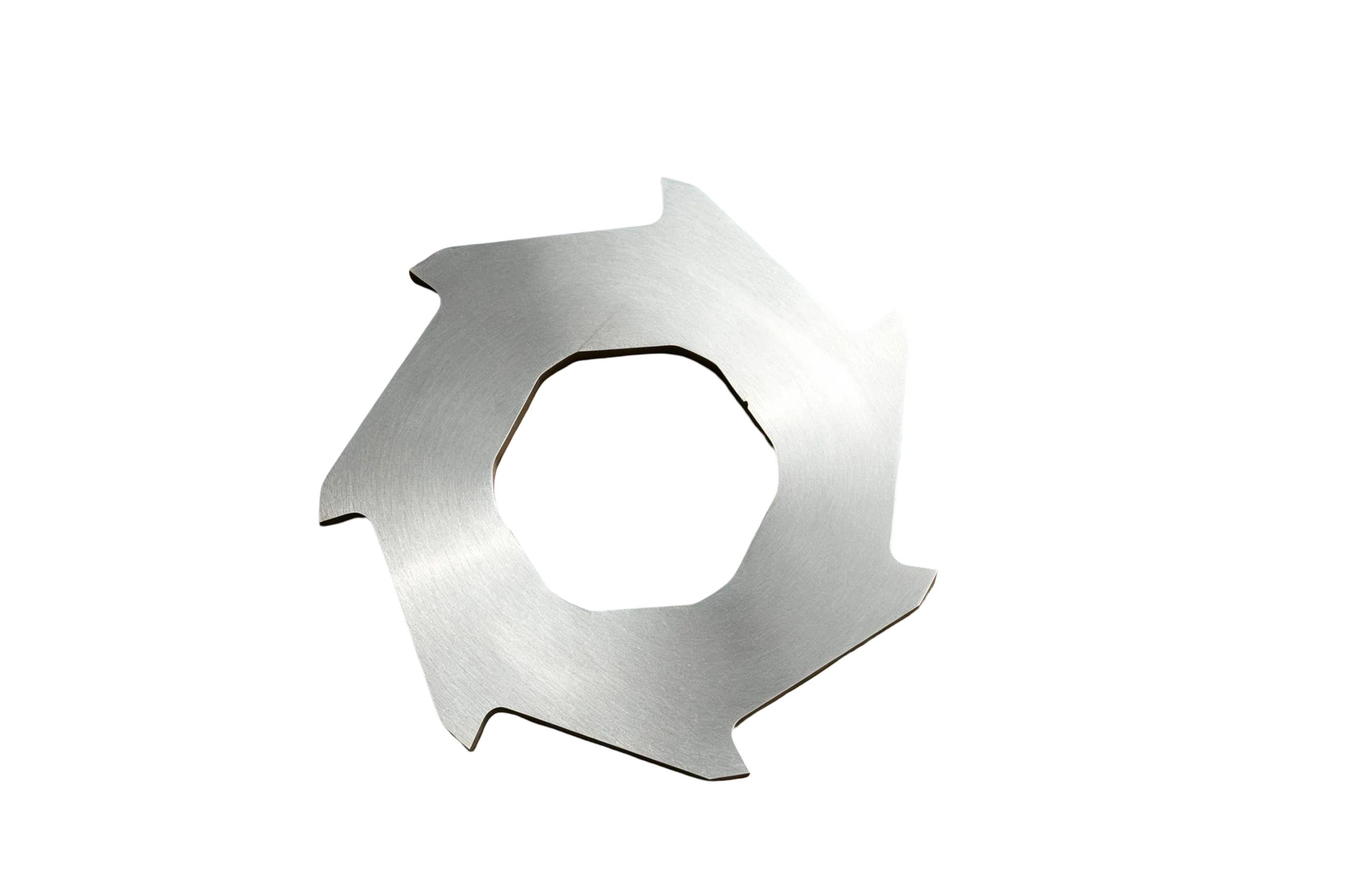
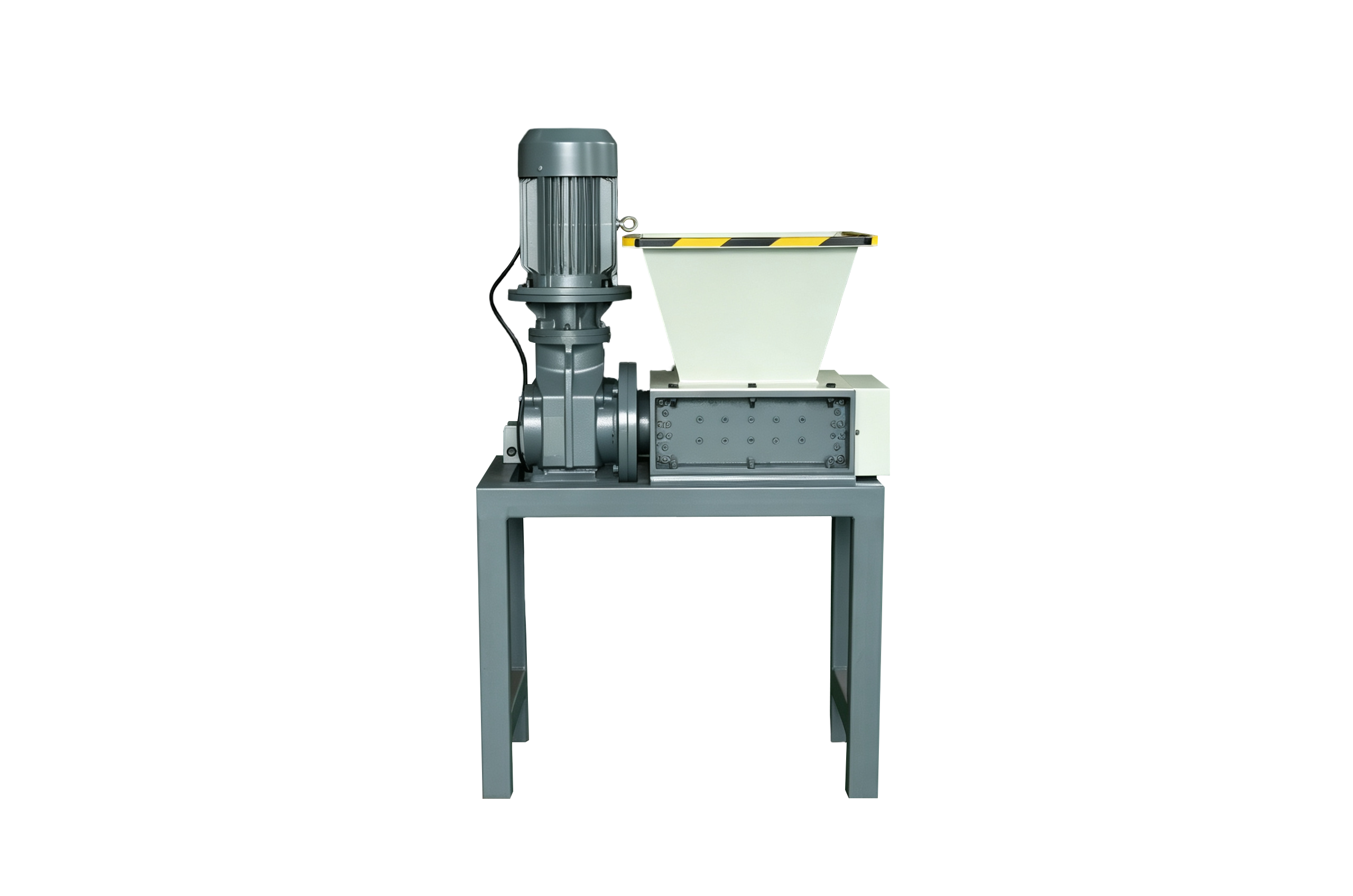
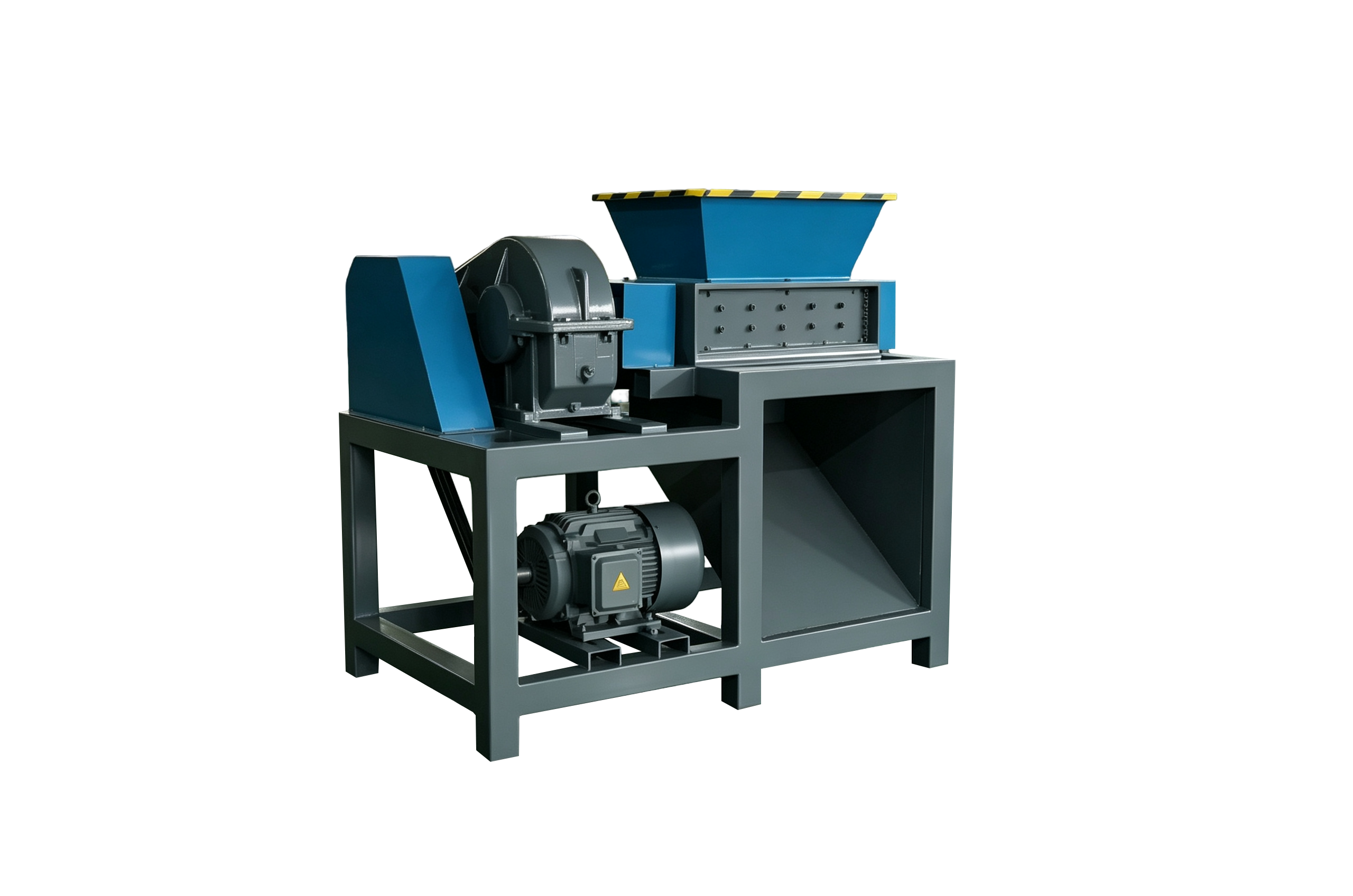
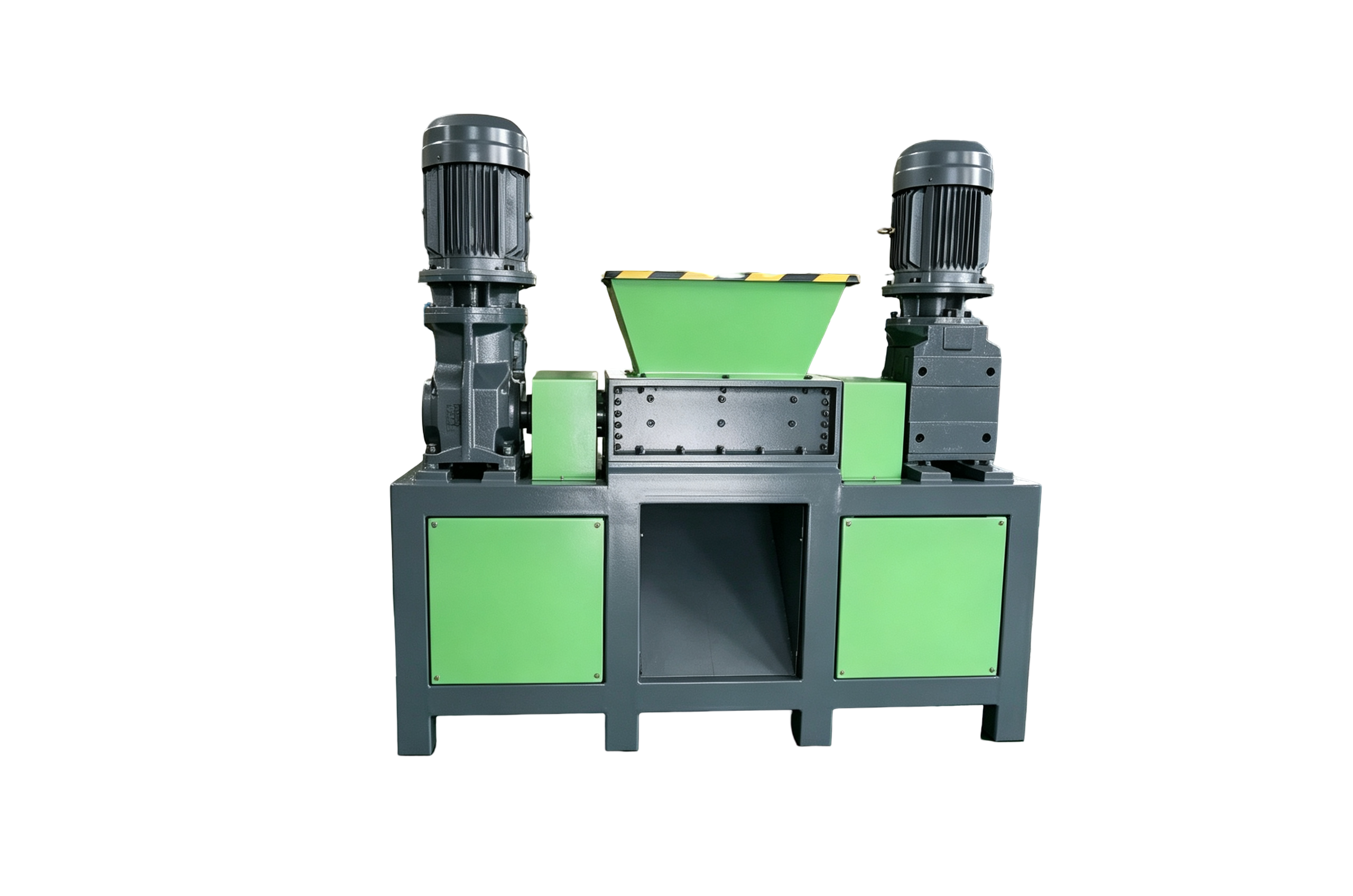
Published NJDETE website image; used for visual context, not as a performance-test record.
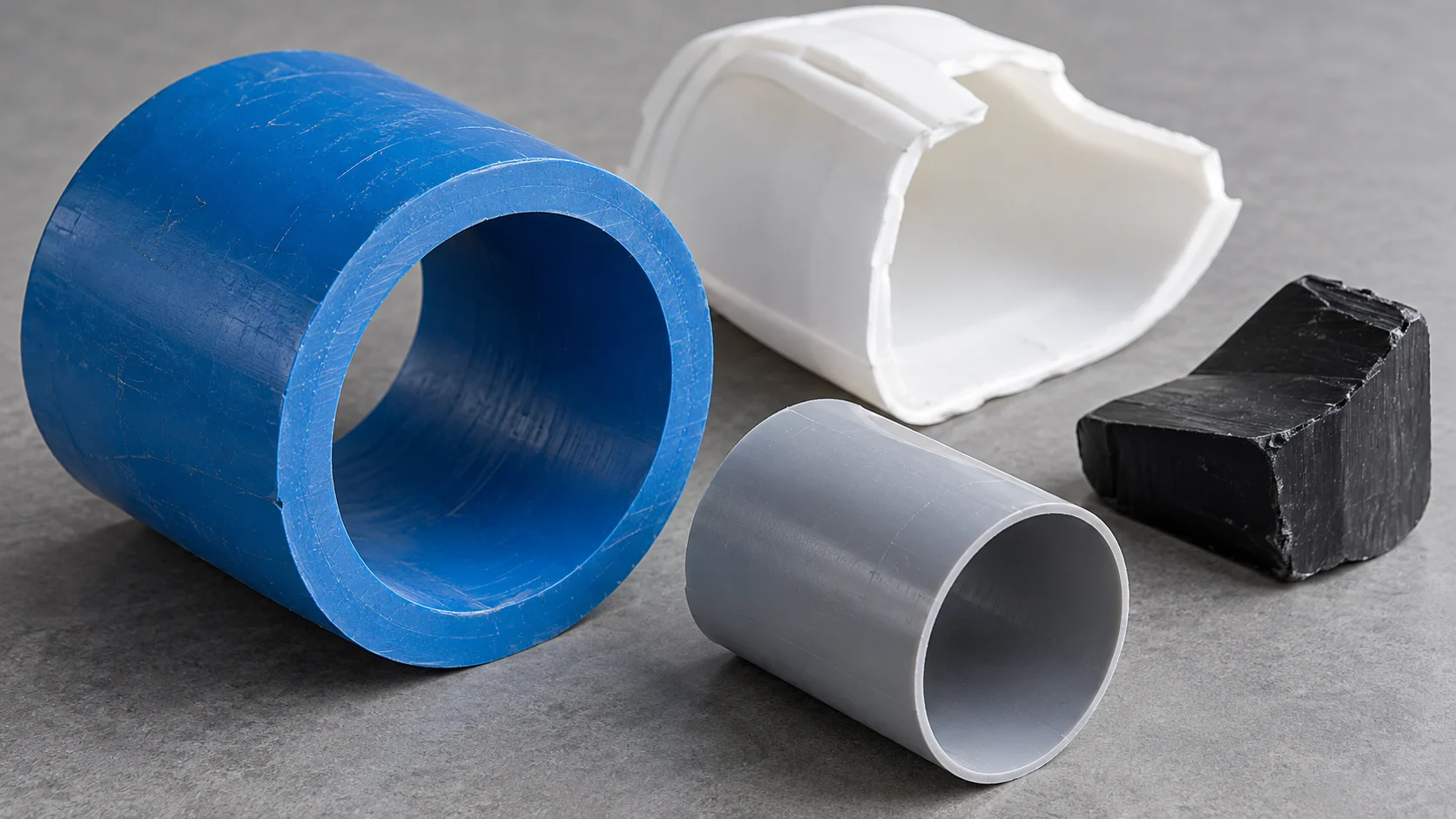
Published NJDETE website image; used for visual context, not as a performance-test record.
Further Viewing
Watch the NJDETE video channel. Ask for material and configuration details when using a demonstration to assess a purchase.
Tags:
Key Features
Custom Diameter and Bore
Specify outer diameter and bore geometry to match the approved shaft drawing.
5–40 mm Thickness Range
Custom thickness options support application-specific cutter-stack design.
9CrSi and H13 Options
Listed steel options provide a starting point for material and heat-treatment selection.
Custom Tooth Profiles
Adapt tooth geometry to the intended feedstock and cutting arrangement.
Applications & Use Cases
Plastic & Polymer Processing
SKD11 and D2 blades for rigid plastics; H13 and 9CrSi for abrasive glass-filled or engineering polymers.
Learn more →Tire & Rubber Shredding
High-hardness blades with optional carbide tipping resist rubber adhesion and cut cleanly through mixed tire cord.
Learn more →E-Waste & PCB Shredding
Stainless-steel and coated blade options prevent material adhesion while maintaining edge life on hard PCB solder points.
Learn more →