

Plastic Shredder vs Crusher vs Granulator: Choose the Process Before the Machine
Release time: 2026-10-20
A recycling enquiry can become confused before a machine is selected. One supplier calls a machine a crusher, another calls a similar stage a granulator, and a third proposes a shredder followed by a granulator. Start with the incoming material and required discharge rather than assuming the names describe identical jobs.
For many projects, the useful first question is whether the problem is bulky feed, a downstream size requirement, or both. That question determines what needs to be assessed. It does not mean that every recycling job requires two machines.
Write Down the Process Result First
If the next operation accepts irregular pieces, primary reduction may be sufficient. If another machine requires a more controlled fraction, specify that requirement before discussing cutter or screen sizes. Do not use “small flakes” as the only acceptance description.
Describe maximum incoming dimensions, section thickness, material form and contamination. Then obtain the receiving equipment’s feed requirements. This creates a boundary that suppliers can evaluate, even where they use different equipment names.
| سؤال بشأن الشراء | What to ask the supplier to demonstrate |
|---|---|
| The normal feed is too bulky | Acceptance of the delivered material with stated preparation |
| The discharge must fit another process | Output sample and an agreed acceptance method |
| A single stage is proposed | Both feed acceptance and required output on the same duty |
| Two stages are proposed | Compatible transfer, capacity and supply scope between stages |
What a Shredder May Contribute
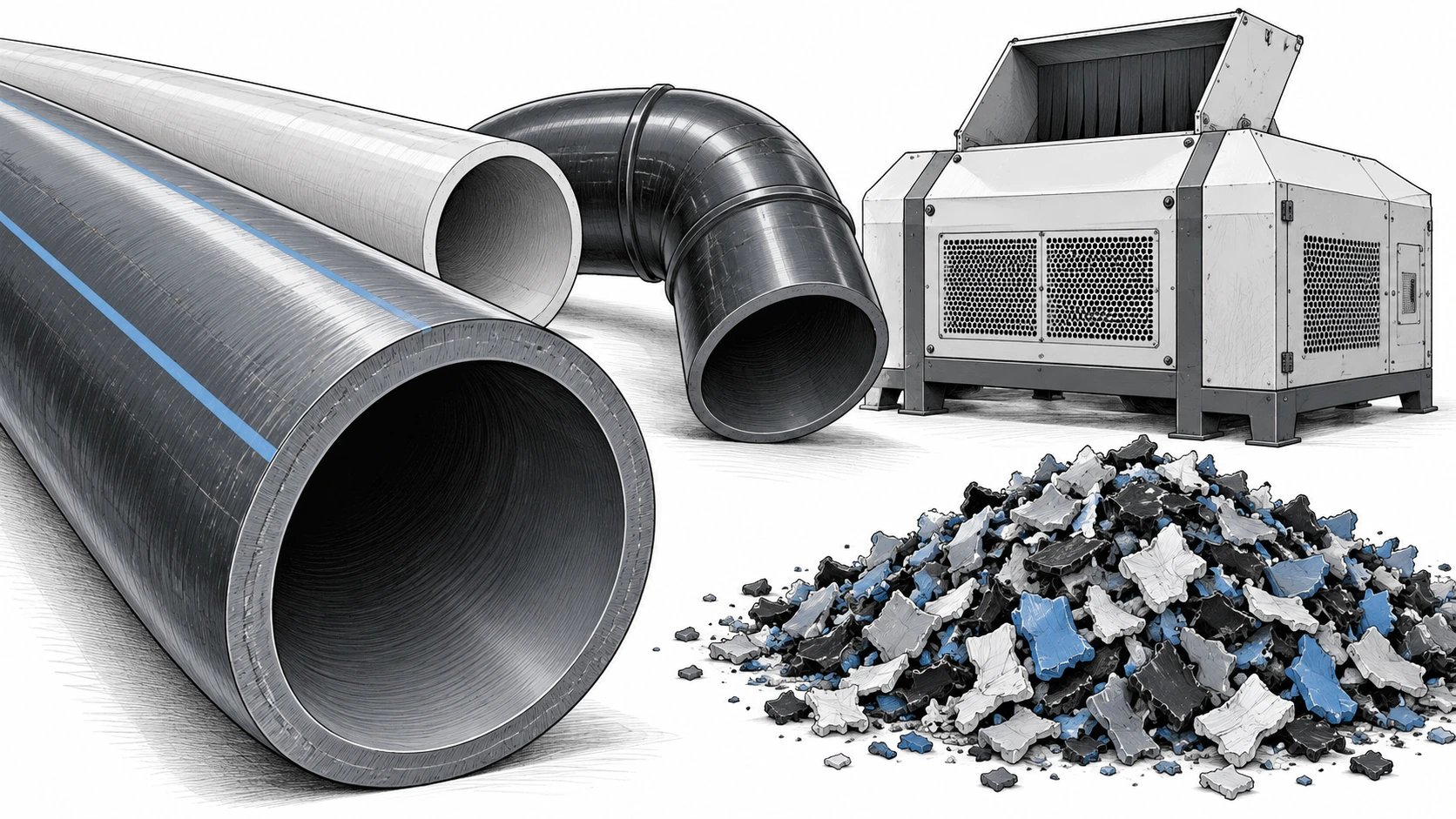
A shredder can be considered for initial reduction of awkward or bulky material. The actual result depends on the supplied shaft arrangement, cutters, feed assistance and discharge system. Do not treat every shredder as an unscreened primary machine; assess the quoted design.
NJDETE’s https://njdete.com/double-shaft-shredder-machines/ is a starting point for its published configurations. In that review, establish whole-item limits, preparation and the form of output the next process can receive.
A chamber dimension does not establish that an item of the same dimensions can be loaded or processed. Hopper access, orientation, cutting task and loading method remain part of the application review.
What “Crusher” and “Granulator” Need to Mean in Your Quote
In plastics enquiries, the word crusher is sometimes used for knife-based size-reduction equipment also described as a granulator. Confirm the physical arrangement and process task instead of assuming either term specifies a standard particle size.
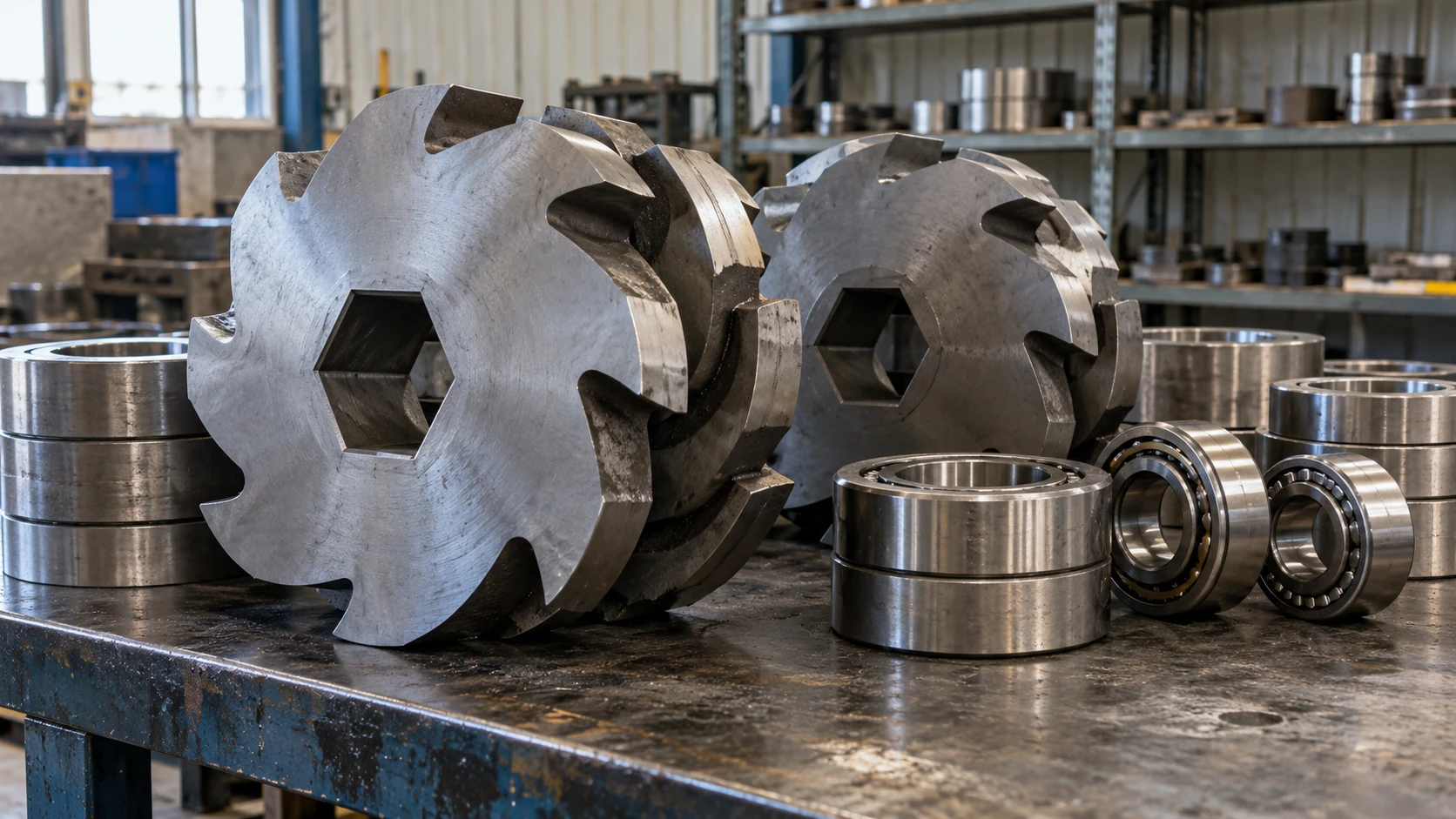
Ask about rotor and stationary knives, feeding, screen arrangements where fitted and the required discharge. The opening in a screen does not describe every dimension of an irregular piece, so keep an output assessment in the purchasing plan.
ZERMA’s manufacturer information distinguishes shredders, granulators and pulverizers, and describes applications using different size-reduction routes. This supports asking which operation a proposed machine performs. It does not establish the performance or availability of a NJDETE line.
When a Direct Granulator Route Deserves Consideration
If clean production scrap already fits suitable receiving equipment, investigate whether that direct route meets the job. Adding a primary stage can introduce transfer equipment, maintenance and working space without solving a current limitation.
The assessment still needs representative feed. Thin runners and thick purgings are not interchangeable samples. Ask the supplier to identify the difficult routine items and whether pre-cutting is required. Include that work when comparing the direct route with a staged proposal.
When a Shredder-Then-Granulator Route Deserves Consideration
A staged route may be worth evaluating where the normal feed is unsuitable for direct entry into the receiving granulator. Assess the first machine’s discharge against the second machine’s requirements, rather than treating two successful isolated demonstrations as proof of a matched system.
Confirm transfer heights, collection or conveying, retained material and the effect of interruptions. Record who supplies the connecting equipment and controls. If one supplier quotes the shredder and another quotes the next stage, identify who reviews the interface.
Separate Granulation From Pellet Production
“Granulator” can have different meanings across markets. Ask what equipment and final product the supplier is describing. Knife-based size reduction is a different process task from producing melt pellets through an extrusion and pelletizing route.
If the target is saleable pellets, identify the required sorting, cleaning, drying, filtration and other stages with the relevant process supplier. Do not assume a shredder plus a knife granulator produces a finished pellet product. Equally, do not purchase stages your actual downstream process does not require.
Build One Acceptance Brief for the Whole Route
Record input material, preparation, elapsed time, operator involvement and accepted output at the agreed final boundary. Where intermediate output is relevant, record that separately. This helps identify a bottleneck without counting the same output twice.
In a hypothetical assessment, a first stage may clear feed faster than the second stage can accept it. The useful system result is the accepted output of the complete agreed route, including the effect of collection and transfer. The faster standalone demonstration does not establish line capacity.
استخدم https://njdete.com/plastic-waste-shredder-selection-guide/ to organize the material brief. For replacement knives in an existing granulator, see https://njdete.com/plastic-crusher-blade/. Those knives are a component enquiry, not evidence that NJDETE supplies the complete downstream process.
الأسئلة الشائعة
Which machine should I buy first?
Identify the actual feed limitation and the next process requirement. If those are unresolved, a model recommendation is premature. Ask for a proposed route and the evidence still needed to validate it.
Can one machine replace two stages?
Possibly, if the proposed configuration meets both feed acceptance and final output requirements under your duty. Assess the same representative material and measurement boundary before comparing investment.
Should I choose the smallest output available?
Choose the output your next operation needs. Unnecessary additional reduction can change equipment, energy and maintenance requirements without improving the receiving process.
Source
ZERMA size-reduction solutions, used for process terminology and equipment-stage background, not for NJDETE capacity claims.
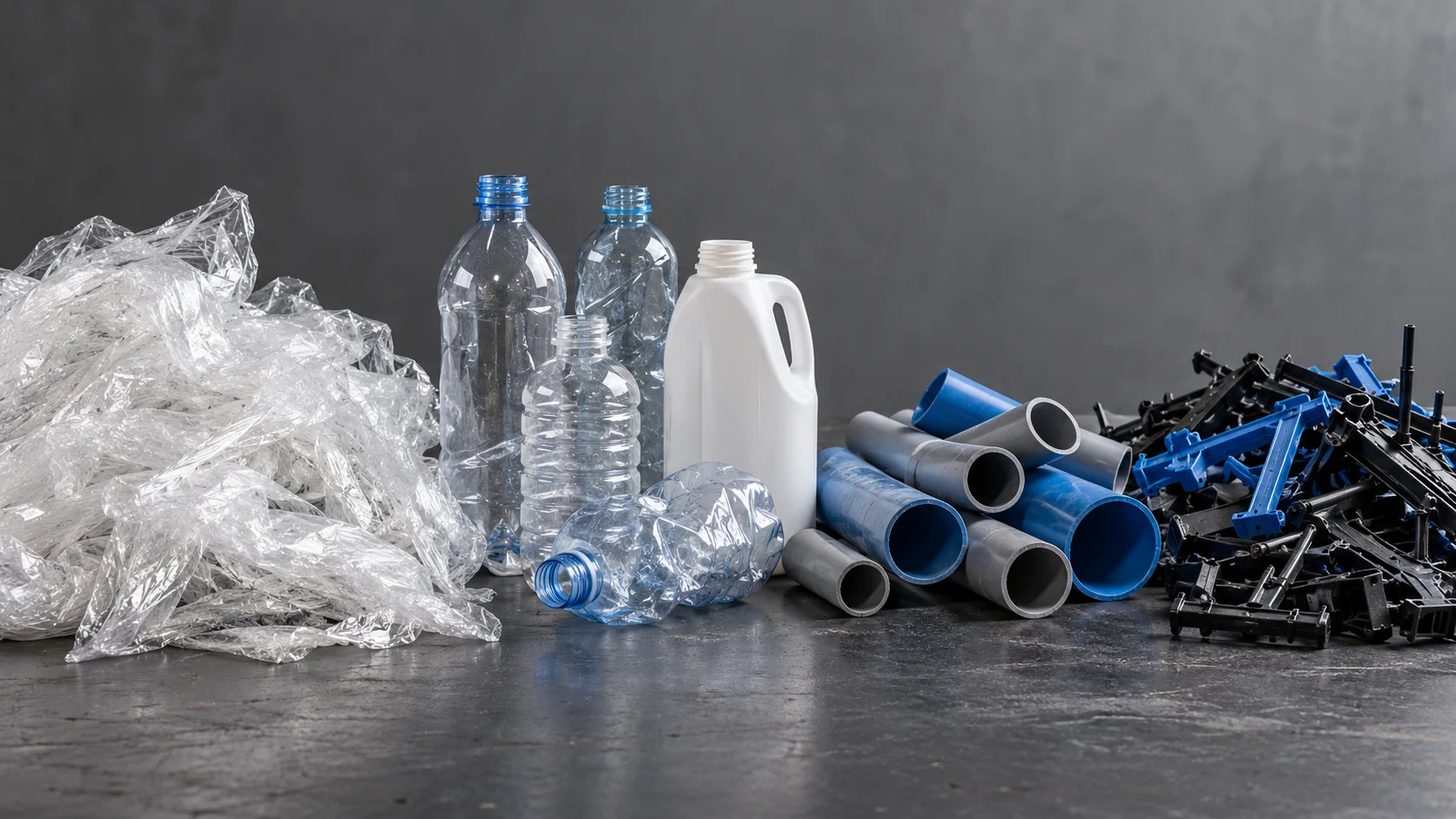
Published NJDETE website image; used for visual context, not as a performance-test record.
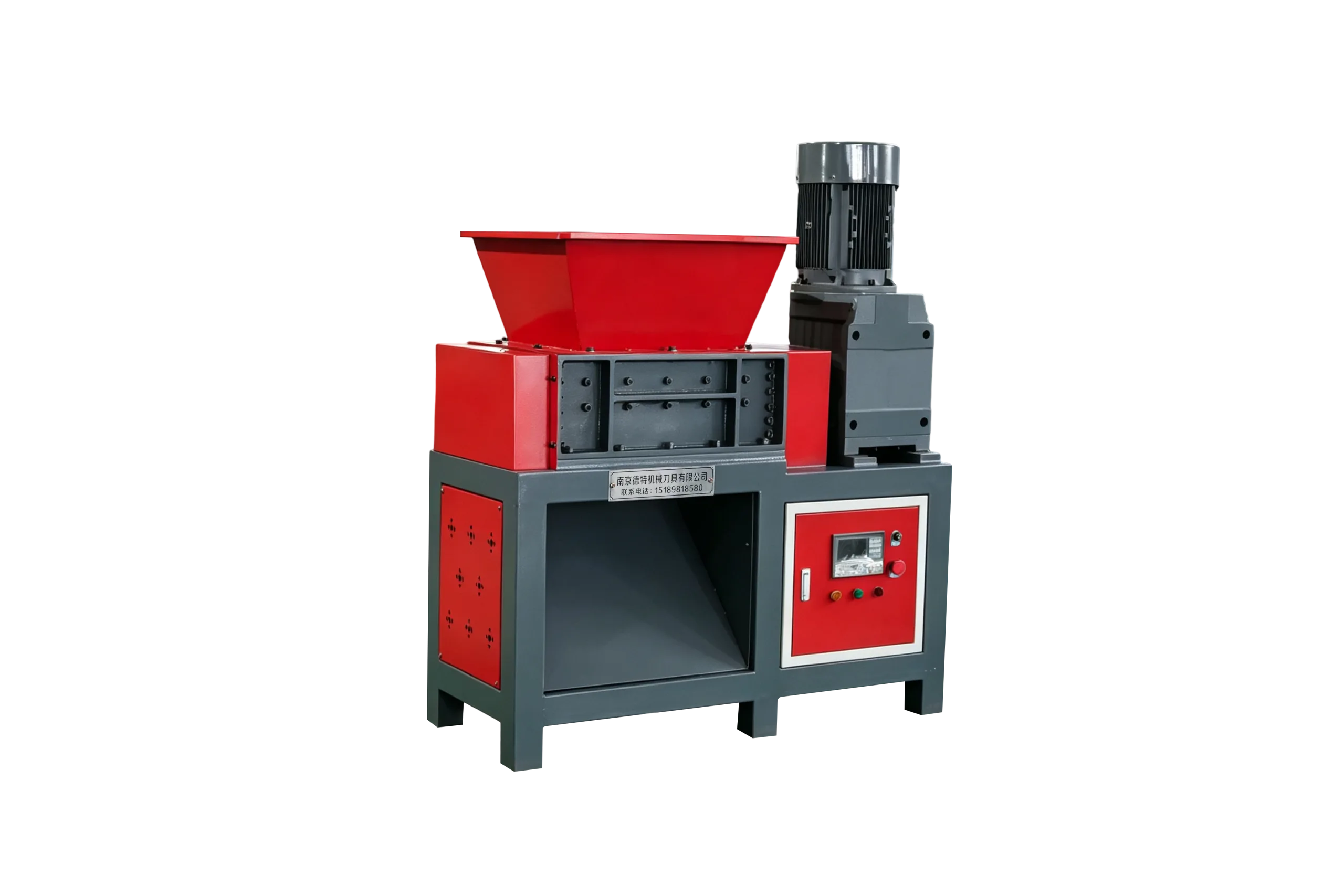
Published NJDETE website image; used for visual context, not as a performance-test record.
Further Viewing
Watch the NJDETE video channel. Ask for material and configuration details when using a demonstration to assess a purchase.