

Plastic Film Shredder Selection: Feeding, Wrapping and Usable Output
Release time: 2026-09-28
A plastic film shredder can cut a handful of packaging and still struggle to keep up with a working shift. The difference often becomes visible at the hopper: loose film stops reaching the cutters, long strips collect around rotating parts, or the operator spends too much time preparing the next load.
Choose the feeding arrangement before you compare motor ratings. Your machine needs to take film in the form you receive it, keep material moving through the cutting area, and discharge something the next process can use. A short cutting clip answers only part of that question.
If you are still comparing film with bottles, pipes or molding scrap, start with the broader plastic waste shredder selection guide. This article focuses on the decisions that change when the material is thin and flexible.
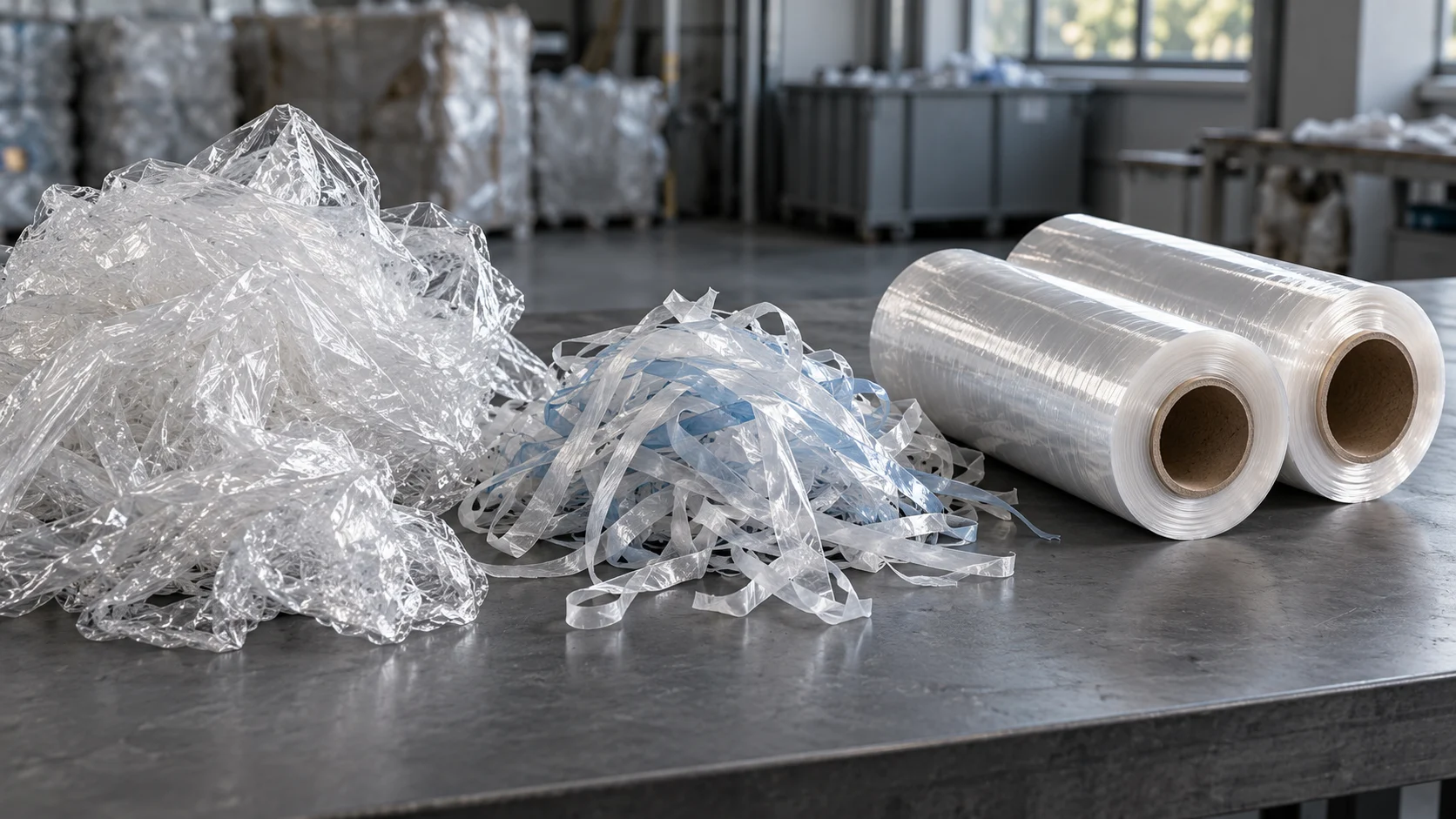
Describe film as a separate feed stream, even when it comes from the same operation as rigid plastic waste.
Start With the Film as It Arrives
“LDPE film” tells a supplier something about the polymer. It says little about how you will load the machine.
Loose pallet wrap, narrow production trim and compacted bundles can arrive at the same recycling operation. They need different questions in the enquiry. Send photographs of the material in its collection bin, on the roll or in the bundle—not just a clean piece laid flat on a desk.
| Your feed stream | Detail to include | Question to settle before ordering |
|---|---|---|
| Loose stretch wrap and bags | Sheet dimensions, tangled form, labels and attachments | Will the proposed feed system maintain engagement without routine operator intervention? |
| Long edge trim | Strip width, typical length and how it is collected | Does the system accept loose strips, collected bundles or a controlled continuous feed? |
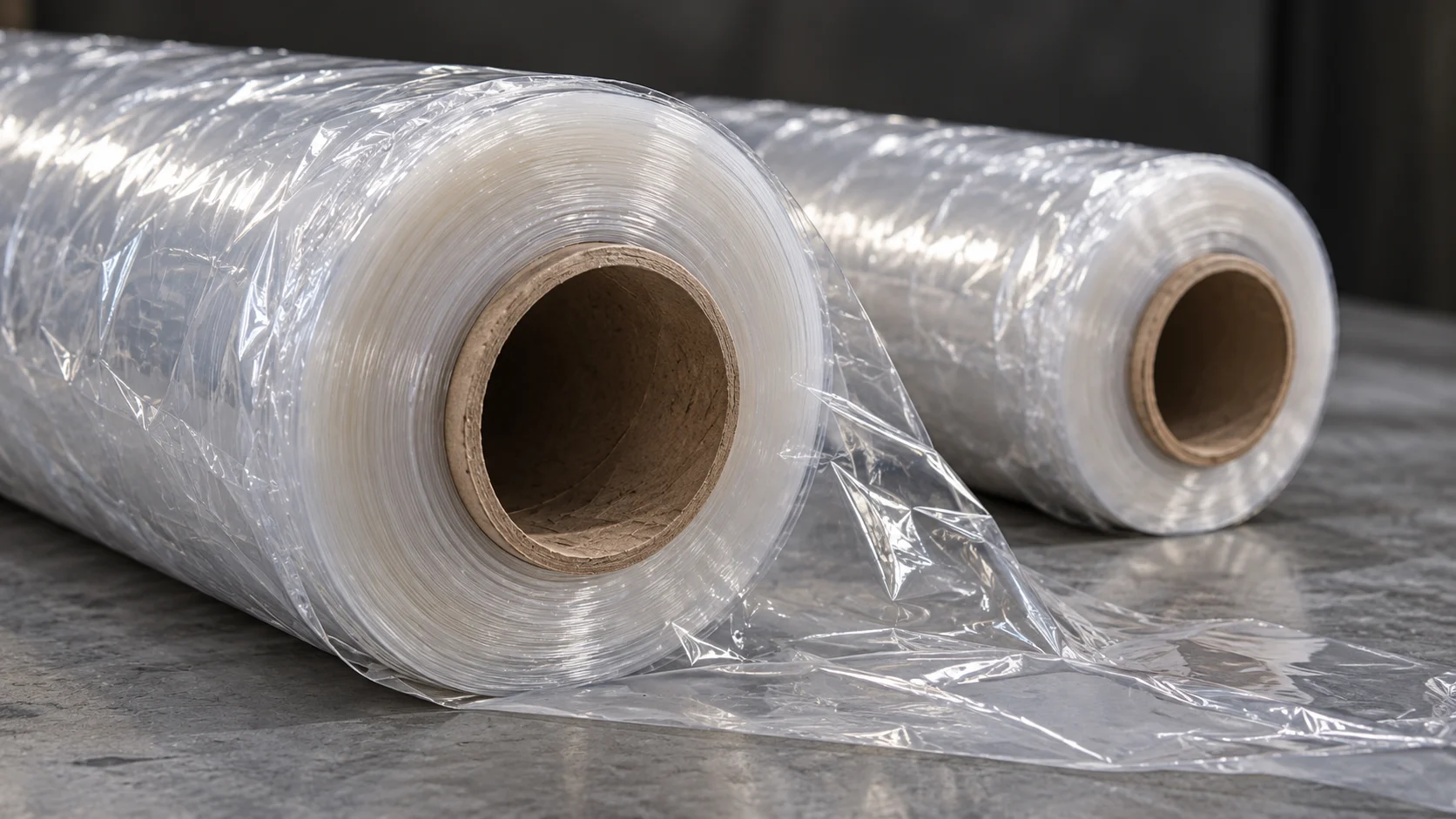
| Rejected rolls | Roll diameter, width, weight and core material | Must the roll be unwound, cut or separated from its core? |
| Compacted film | Bundle dimensions, density variation and ties | Is the whole bundle an approved feed, or is preparation required? |
| Used agricultural or mixed film | Moisture, soil, residues and other inclusions | What sorting and cleaning belong ahead of size reduction? |
Keep clean production scrap separate from contaminated used film in the specification. Otherwise, the supplier may quote for the easier stream while your daily workload includes both.
Your first selection decision is the permitted feed form. Have it written into the proposal. It determines preparation labor, loading equipment and whether a demonstration represents your operation.
Is Feeding the Problem, or Is Cutting the Problem?
A hopper containing material does not necessarily mean the cutters are receiving a steady supply. Flexible sheets can fold, hang up or move together in ways that interrupt engagement. Adding more material may make the observation harder to interpret.
Ask the supplier to show the full loading sequence. Look at how the film reaches the cutting area and what happens between loads. If assistance is part of the design, identify the mechanism and how it responds to the material.
| What you observe | What to investigate with the supplier |
|---|---|
| Material remains above the cutting area while discharge slows | Hopper geometry, feed presentation and engagement |
| Film enters in occasional large batches | Consistency of loading and any controlled feeding arrangement |
| The machine repeatedly reverses after particular loads | Batch size, feed composition and the selected cutting configuration |
| Cut material accumulates below the machine | Discharge and receiving equipment, rather than the cutters alone |
These observations help locate the bottleneck; they are not instructions to alter machine settings.
A pusher or another feeding device is a configuration choice, not a feature to assume from the phrase “film shredder.” For one documented example, WEIMA’s single-shaft feeding description explains load-dependent pusher control and options for very thin material. The useful purchasing point is that feed control and cutter geometry are considered together. Ask how the arrangement in your quotation handles your own film.
Treat Wrapping as an Acceptance Question
An “anti-wrapping” claim needs a description of the material and the design behind it. Ask which parts of the proposed cutter and shaft arrangement address long flexible feed, and what inspection or cleaning is expected during normal use.
During an evaluation, record whether material accumulates, where it appears and when output starts to change. Distinguish a small retained quantity at the end of a batch from buildup that interrupts processing. A brief trial may show cutting ability without revealing the interruption pattern that matters over a longer run.
Before discussing a replacement cutter, separate three questions:
- Is the film reaching the cutting area consistently?
- Is the selected assembly cutting the incoming material effectively?
- Is the discharged material being removed at the required rate?
Changing blade material will not address every feeding or discharge problem. Likewise, thinner cutters are not a universal cure for wrapping.
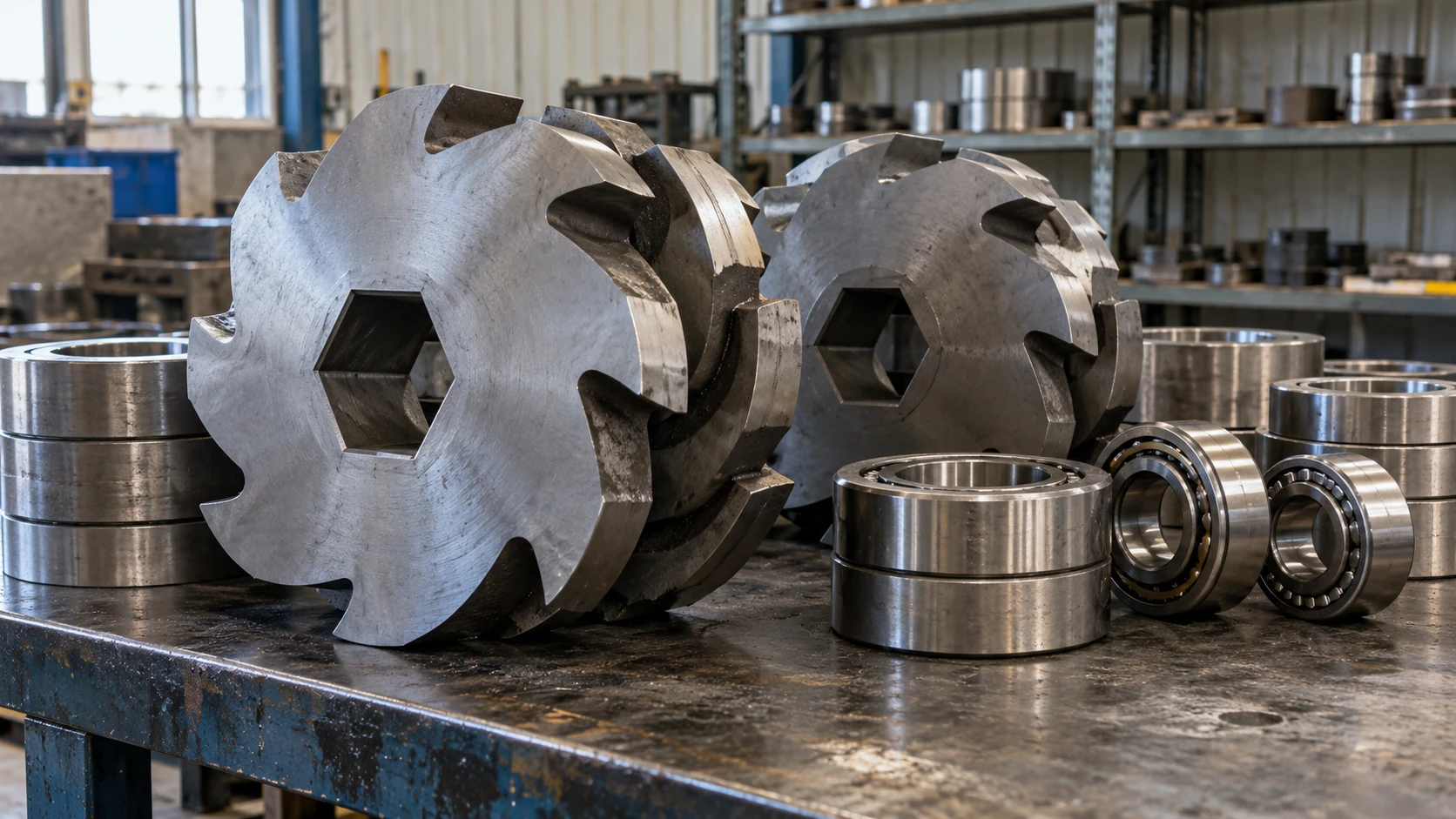
Review the complete cutter assembly, including its mating parts, rather than choosing a blade by thickness alone.
For double-shaft shredder blades, your enquiry should identify the machine, bore, diameter, thickness, tooth arrangement and spacers. Include photographs of the existing assembly when replacing parts. Use the blade replacement guide to prepare that information.
Any inspection or removal of retained film must follow the machine’s isolation procedure. Routine operation should not depend on reaching into a hopper or manually pulling material from moving components.
Choose the Output Your Next Process Needs
Before choosing between shredder arrangements, ask the operator of the receiving process what it can accept. “Smaller film” is not a useful specification if long pieces still disrupt transfer or require another pass.
For primary reduction with irregular pieces acceptable, evaluate a double-shaft arrangement. For a more controlled discharge fraction, compare a screened configuration and assess the actual output. Shaft count alone does not tell you whether that material will feed your next machine.
Take an output sample far enough through the proposed process to answer the next question. Can it be conveyed and collected as planned? Does it meet the washing or further size-reduction requirement? If extrusion is the destination, what additional preparation does the receiving system require?
| Intended next step | Result worth checking |
|---|---|
| Collection or transfer | Handling behavior and compatibility with the planned container or conveyor |
| Washing and separation | The receiving system’s feed-size and contamination requirements |
| Further cutting | Whether long pieces and bundles can enter the next machine reliably |
| Extrusion preparation | The complete feeding, cleanliness and moisture requirements specified for that line |
Do not equate shredded film with ready-to-use pellets. Name the additional stages in the proposal so their cost, space and operating requirements are visible before purchase.
Compare a Batch, Not the Best Few Seconds
For film, preparation and interruptions can determine whether a machine meets your daily target. Use a batch assessment that includes your planned loading method and records the activities left outside the timer.
Keep one result sheet containing:
- Film source, delivered form and input weight.
- Quoted machine and cutter configuration.
- Preparation method and operator involvement.
- Elapsed time, with pauses and interventions identified.
- Accepted output, retained material and material needing another pass.
- Input and output photographs linked to that result.
Accepted throughput is accepted output mass divided by elapsed time. Agree the timing boundary before comparing machines. The general selection guide explains how to relate this to available hours and daily output.
For dirty or wet film, specify the basis of the weight measurement. Water and contamination in the input should not be mistaken for recovered plastic. If you compare energy use, measure consumption over the same system boundary and accepted-output basis.
A proposal that processes prepared bundles quickly may still require more labor than one designed around your existing collection method. Put that labor alongside purchase price when making the decision.
Where NJDETE Fits in Your Shortlist
If your process calls for primary double-shaft reduction, review the NJDETE double-shaft shredder range with a film-specific material brief. Use the Mini-to-500 configuration comparison to discuss installation and drive options.
The model comparison should come after the feed and output requirements. A larger chamber may change how you can present a load, but chamber dimensions alone do not establish reliable handling of a loose film bundle. A higher motor rating also does not resolve material hanging above the cutters.
NJDETE 500 model product image. Specify the feed form and required output when requesting a configuration review.
Ask the quotation to name the cutter arrangement, loading method, discharge arrangement and any preparation required for your film. This makes it possible to compare the proposed equipment with the work your team actually needs to complete.
The preferred configuration is the one that meets your accepted-output target with a practical loading and cleaning routine. It is not necessarily the largest motor in the catalogue.
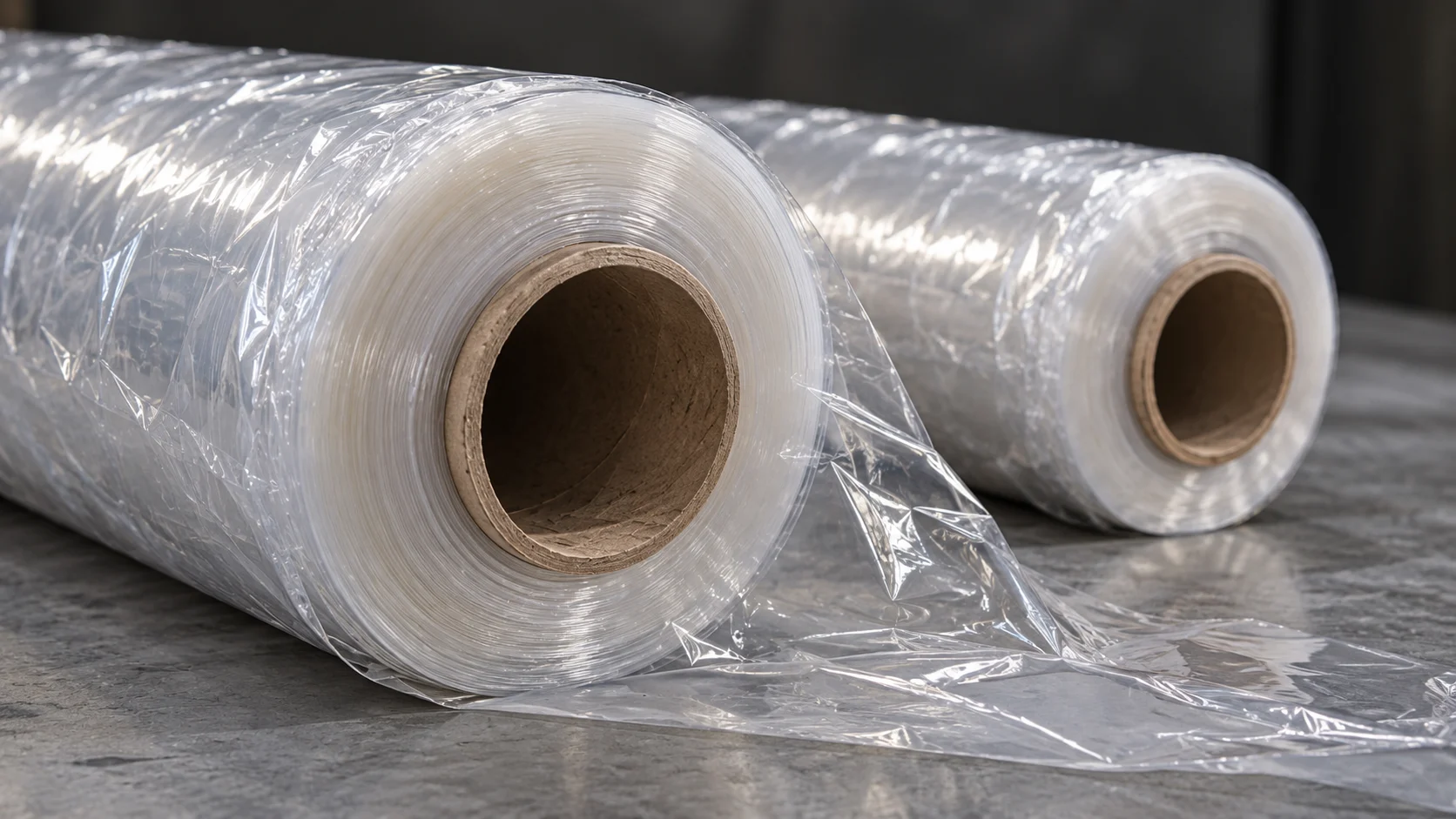
Roll diameter, wound layers and core material belong in your enquiry. Editorial illustration.
Questions to Settle Before You Order
Can I feed rejected film rolls with their cores still inside?
Have the supplier assess the complete roll, including core material, diameter, width and weight. Core removal or unwinding may be part of the proposed process. Put that preparation into the quotation and operating plan rather than assuming the machine accepts every roll that fits through the opening.
Should I compact loose film before shredding?
Compare the complete route. Compaction changes feed presentation but also adds equipment, handling and time. If it is proposed, evaluate the resulting bundles and include preparation costs. Choose it because the complete process works better for your operation, not simply because compacted samples make a demonstration easier.
Can the same machine alternate between film and rigid plastics?
Ask what changes between the two streams: loading, cutters, settings, output requirements and cleaning. Assess both with representative material. If changeovers are frequent, include their time in the comparison; a configuration that handles each stream separately may still be awkward for your production schedule.
Do I need a separate machine for contaminated film?
First identify the contamination and where it will be removed. The decision concerns sorting, cleaning, cutting and downstream processing together. Describe soil, moisture, residues and unwanted objects individually so the supplier can define an appropriate scope instead of treating all used film as the same application.
What can I send if I do not have a prepared sample?
Start with photographs of the collected film, typical dimensions, an approximate batch weight and a description of the next process. A short video of normal handling can clarify how the material arrives. Ask the supplier what sample is needed for the unresolved questions before arranging shipment.
Send the Film Details Before Choosing a Model
Contact NJDETE with your film waste information: material source, delivered form, typical dimensions, attachments or contamination, required daily output and the next processing stage.
Ask for a proposal that identifies the equipment configuration, preparation work and the points to verify with representative material. That gives you a workable purchasing comparison before you commit to a machine.