

Injection Molding Scrap Recycling: Capacity and Equipment Selection
Release time: 2026-09-29
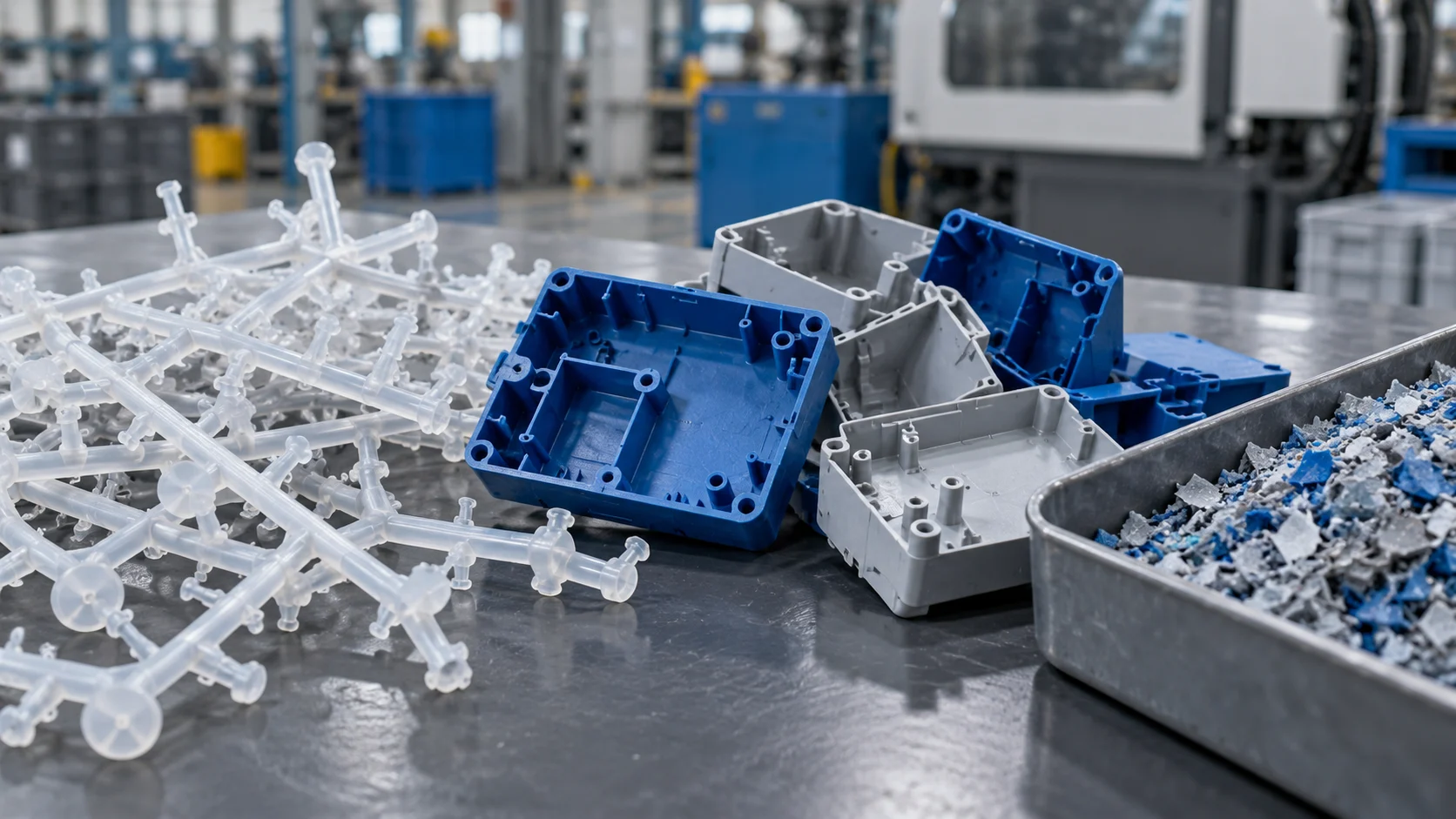
Injection molding scrap recycling starts with a practical question: what must your next process receive? A runner that fits directly into an existing granulator needs a different proposal from a bulky rejected housing that first needs size reduction. Buying a larger shredder does not resolve that distinction.
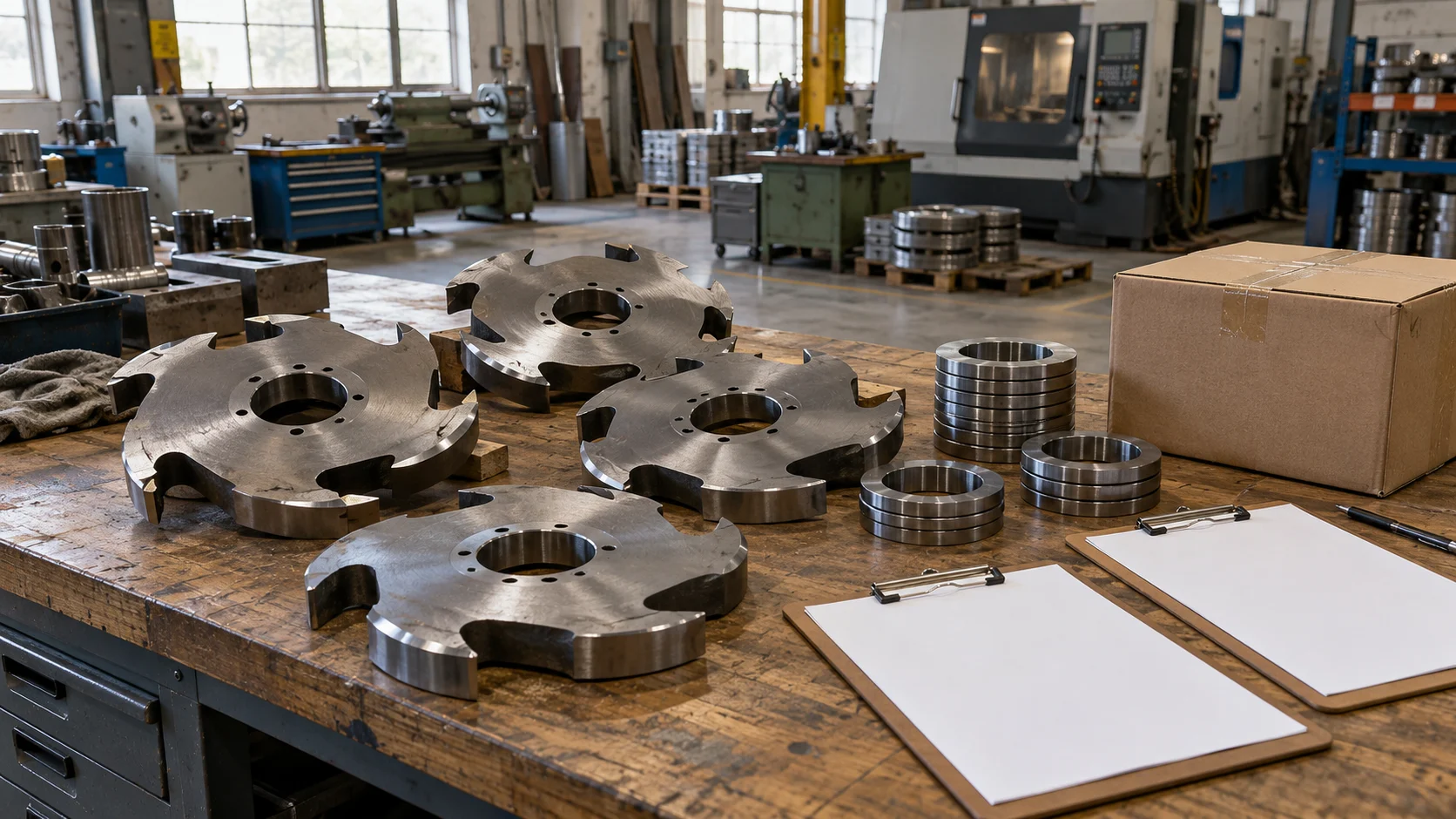
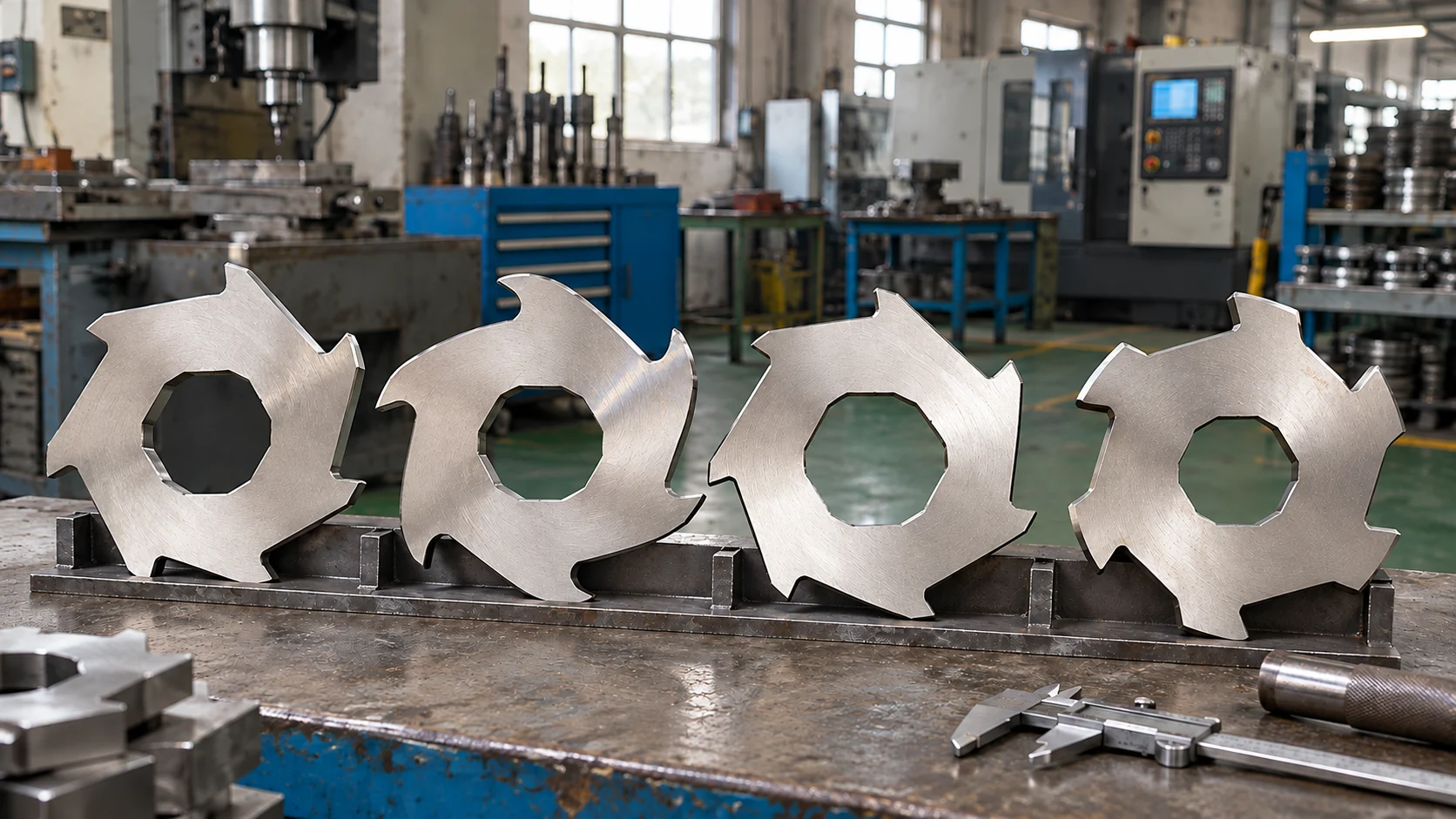
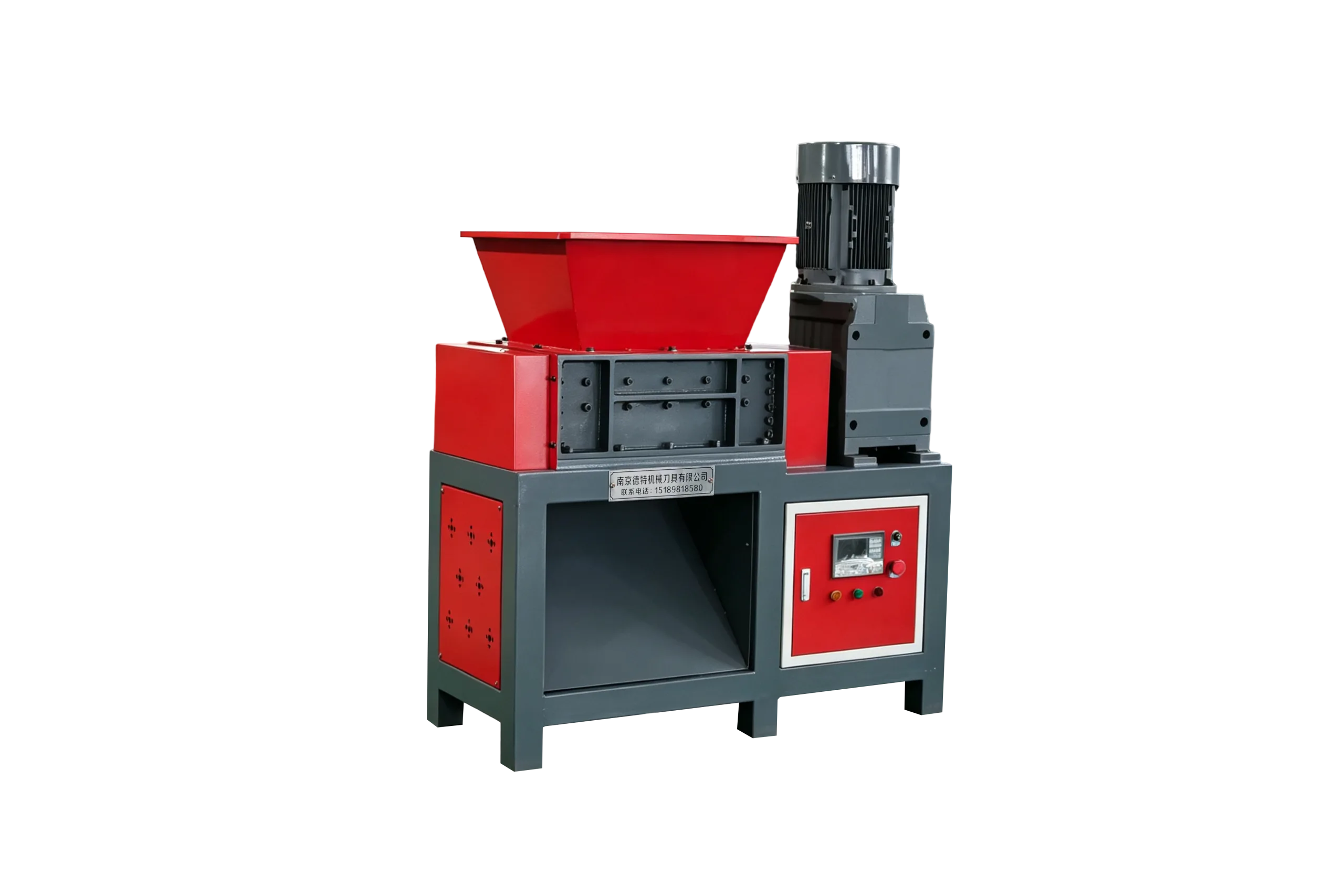
NJDETE supplies double-shaft shredders and replacement industrial blades. For an injection molding operation, the purchasing discussion should connect the form of the scrap, the required usable output and the equipment already on your floor. If your line uses a granulator, our guide to replacement granulator knives explains how to separate rotor and bed knife requirements.
Injection Molding Scrap Recycling: Start With Usable Output
Define whether your objective is easier handling, feed preparation for a granulator or material preparation for an established reprocessing route. Shredded pieces are not automatically ready to return to a molding machine. Your quality requirements still govern material identity, contamination, moisture and the permitted use of regrind.
Keep scrap streams separate when their downstream requirements differ. Clean runners from a known production batch should not silently become part of a mixed stream containing packaging, labels and rejected assemblies.
| Scrap stream | Detail to establish | Equipment question |
|---|---|---|
| Sprues and runners | Largest cross-section, length and collection method | Can the existing granulator accept them directly? |
| Rejected housings | Overall dimensions, wall thickness and ribs | Is pre-shredding needed before the next machine? |
| Thick startup scrap | Maximum solid section and individual piece weight | Can the proposed configuration process the actual piece? |
| Parts with inserts | Insert material, location and removability | What separation or preparation is required first? |
| Mixed production scrap | Polymer identity and route after reduction | Should the streams be separated before processing? |
Injection Molding Scrap Recycling Capacity: Calculate the Operating Window
Tell the supplier how much scrap accumulates per shift and how many hours are available to process it. Include the time needed to collect material, change containers, prepare loads and clean between incompatible batches.
If the machine runs beside production, the feed may arrive intermittently. If scrap is processed at the end of a shift, the equipment may need to clear a stockpile within a limited operating window. Those two arrangements can produce different capacity requirements even when the daily weight is identical.
Compare proposals on material accepted by the next process over an agreed operating period. Ask how preparation and interruptions are included. Motor power and a short cutting demonstration do not, by themselves, establish your usable shift output.
A worked capacity example
Suppose your plant needs to process 600 kg of prepared scrap per day and allocates four hours to the recycling operation. If loading, batch changes and cleaning leave three hours of actual processing, the equipment needs to sustain an average 200 kg/h during those three hours to clear the prepared feed. Across the full four-hour window, the required average is 150 kg/h.
These are illustrative planning inputs, not a NJDETE test result or a machine rating. They show why two quotations using “kg/h” may not describe the same operating conditions. Ask whether the quoted rate includes normal stops, preparation and container changes before comparing it with your own requirement.
Keep a second measure for quality: accepted output mass ÷ total allocated processing time. If some output fails the downstream specification, counting only material that passed through the cutters overstates useful production. Agree the input and output weighing boundaries and account for material left in the equipment.
Choose the Processing Route Before the Model
Use a pre-shredder when the incoming form creates a genuine feeding or size-reduction problem for the next process. If clean runners already fit an appropriately specified granulator, assess that direct route before adding another machine.
A double-shaft shredder may form the first reduction stage for bulky scrap. The proposal should identify the feed opening, cutter arrangement and expected output form in relation to your downstream equipment. If a narrower particle-size distribution is required, establish which later stage provides it.
Review the NJDETE double-shaft shredder models after defining the route. The model comparison supports configuration review; it should not be read as a throughput guarantee for every polymer and part geometry.
Direct granulation or a pre-shredder: which route fits?
| Route | Strongest reason to consider it | What you must verify |
|---|---|---|
| Direct granulation | Clean runners and rejects already fit the granulator’s approved feed conditions | Cross-section, feeding behaviour, required output and cleaning access |
| Pre-shredding followed by granulation | Bulky parts cannot enter or feed consistently into the next machine | Transfer between stages, discharge form and the capacity of the complete route |
| Size reduction for an outside recycler | The receiving recycler has an agreed size-reduced feed specification | Accepted polymers, contamination limits and shipment format |
For clean, manageable runners, start by evaluating direct granulation. For bulky housings, assess whether pre-shredding solves an identified feeding constraint. For thick purgings, request assessment of the actual solid section: an opening large enough to accept a piece does not establish the ability to cut it.
The investment question is whether the added stage removes enough handling or feeding difficulty to justify its operating and maintenance requirements. Compare labour, electricity, replacement parts and cleaning time alongside the equipment price.
Check What Changes Between Your Products
A housing with thin walls and large ribs can load a cutting system differently from a compact solid piece of similar weight. Include both ordinary scrap and the largest recurring reject in your enquiry. A proposal based only on the easiest piece leaves an important part of the application unresolved.
Filled polymers, embedded metal and dirt also change the discussion about cutting components. Document the feedstock and describe the existing wear pattern before specifying replacement blades. Use the double-shaft shredder blade page to review the dimensional information needed for cutter enquiries.
Packaging film should be treated as a separate application. If it is part of your plant’s waste stream, the plastic film shredder guide explains the feeding and wrapping questions that are different from rigid molding scrap.
Keep Regrind Quality Separate From Shredder Performance
A machine can reduce a reject successfully while the resulting material remains unsuitable for your finished part. Keep the equipment acceptance decision separate from approval of the resin reuse route.
One useful example is BASF’s Elastollan TPU processing recommendations, printed page 6, “Use of Regrind.” BASF ties reuse to matching material type and Shore hardness, freedom from contamination, drying and the required product quality. It also notes that some quality specifications exclude regrind. This guidance concerns Elastollan TPU; it is not a universal recipe for PP, ABS, PA or every molding application.
For your own material, obtain the grade-specific processing guidance and customer requirements. Define who approves the reuse proportion and what finished-part checks are required. That responsibility remains with your material and production-quality process, even when the recycling equipment performs as intended.
Make the Equipment Proposal Easy to Compare
Ask each proposal to identify the same boundaries: what enters the machine, what preparation is required, what leaves it and where the output goes. Keep the scope of conveyors, containers, controls and downstream connections explicit.
| Your input | What to request in the proposal |
|---|---|
| Photos and dimensions of recurring scrap | An identified configuration and stated feed conditions |
| Daily scrap quantity and processing window | A capacity basis tied to the supplied material |
| Downstream opening and output requirements | A clear description of the reduction stages |
| Batch changes and housekeeping needs | Access and cleaning considerations for the proposed layout |
| Available power and floor arrangement | Electrical and installation requirements for review |
The general plastic waste shredder selection guide provides a broader comparison when you are deciding between shaft arrangements or several plastic waste streams.
Application Questions
Can shredded material go straight back into injection molding?
Do not assume that it can. The approved reuse route depends on the polymer, contamination, material condition and finished-part requirements. Specify the downstream process and acceptable material condition first. Size reduction is one operation within that route, not proof that the material meets your molding specification.
Should clean runners and rejected assemblies use the same process?
Compare their contamination and preparation requirements before combining them. Rejected assemblies may contain inserts, labels or other materials absent from clean runners. Separate collection can preserve a known material stream and avoid making every batch subject to the requirements of the most difficult scrap.
What should a representative sample include?
Include the recurring shapes and the largest normal rejects, with their polymer identification and attachments clearly described. Explain how frequently each appears. The objective is to resolve the feeding, reduction and discharge questions in your application, rather than demonstrate only a small, convenient piece.
Request an Application Review
Send NJDETE your molding scrap details: polymer, photos, maximum dimensions, daily quantity, available processing hours and the next machine in the line. Include any preparation you already perform. Ask for a configuration proposal that explains how the equipment fits your existing recycling route.