

Plastic Pipe Shredder Selection: Pipe Size, Feeding and Output
Release time: 2026-10-15
A plastic pipe shredder should match the pipe as it arrives at your operation. Start with the longest normal piece, its outside diameter and its thickest section. Then establish how that item will reach the cutters and what the next process must receive.
This matters when an extrusion line produces long rejects, when pipe offcuts accumulate faster than they can be prepared, or when thick fittings enter the same waste stream. A machine may reduce short sections successfully while leaving your team with an unexpected preparation task.
Choose the pipe-handling route before comparing motor ratings. Confirm whether the proposed configuration accepts whole pipes, requires pre-cutting, and delivers usable output within your available working time.
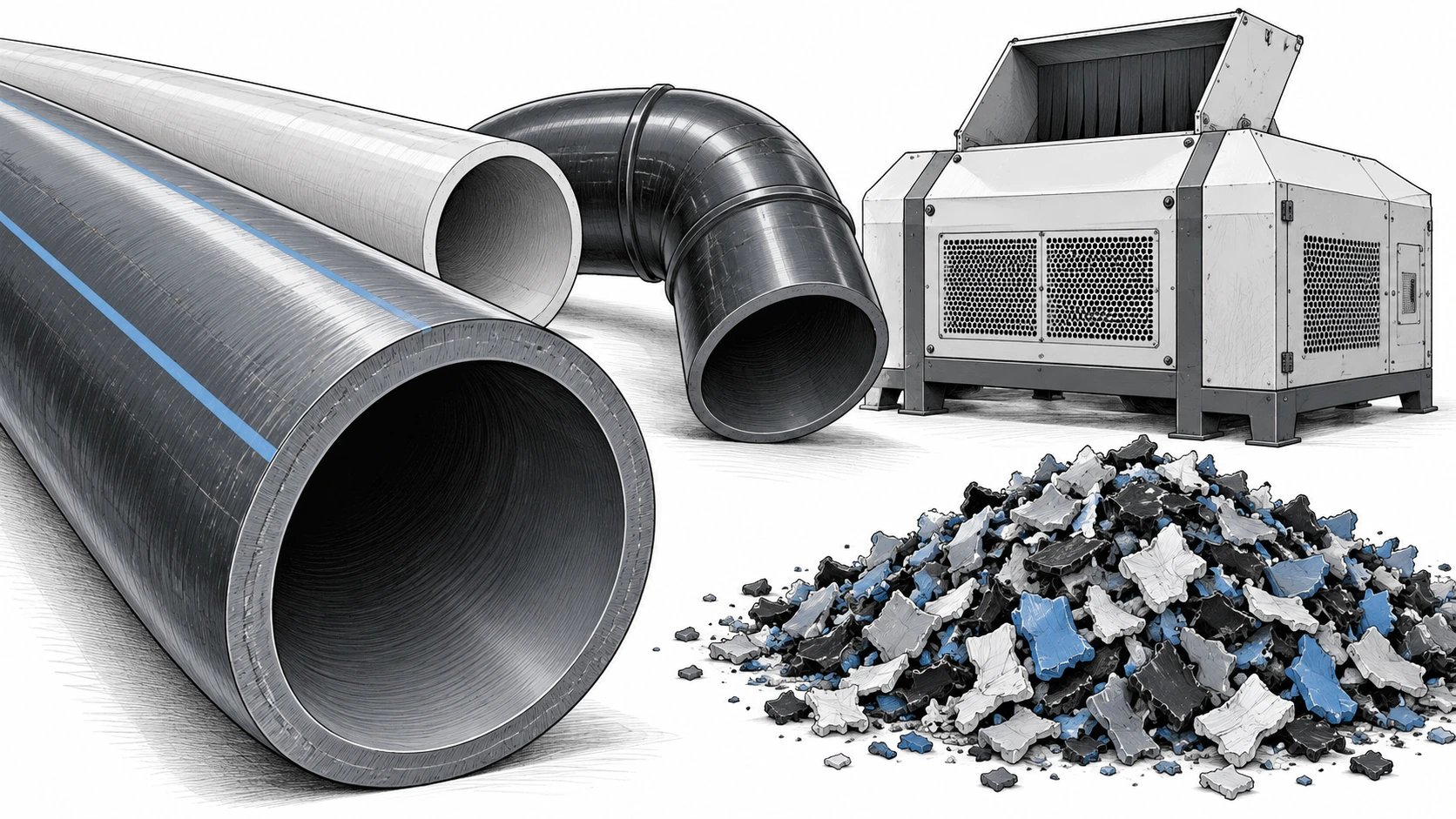
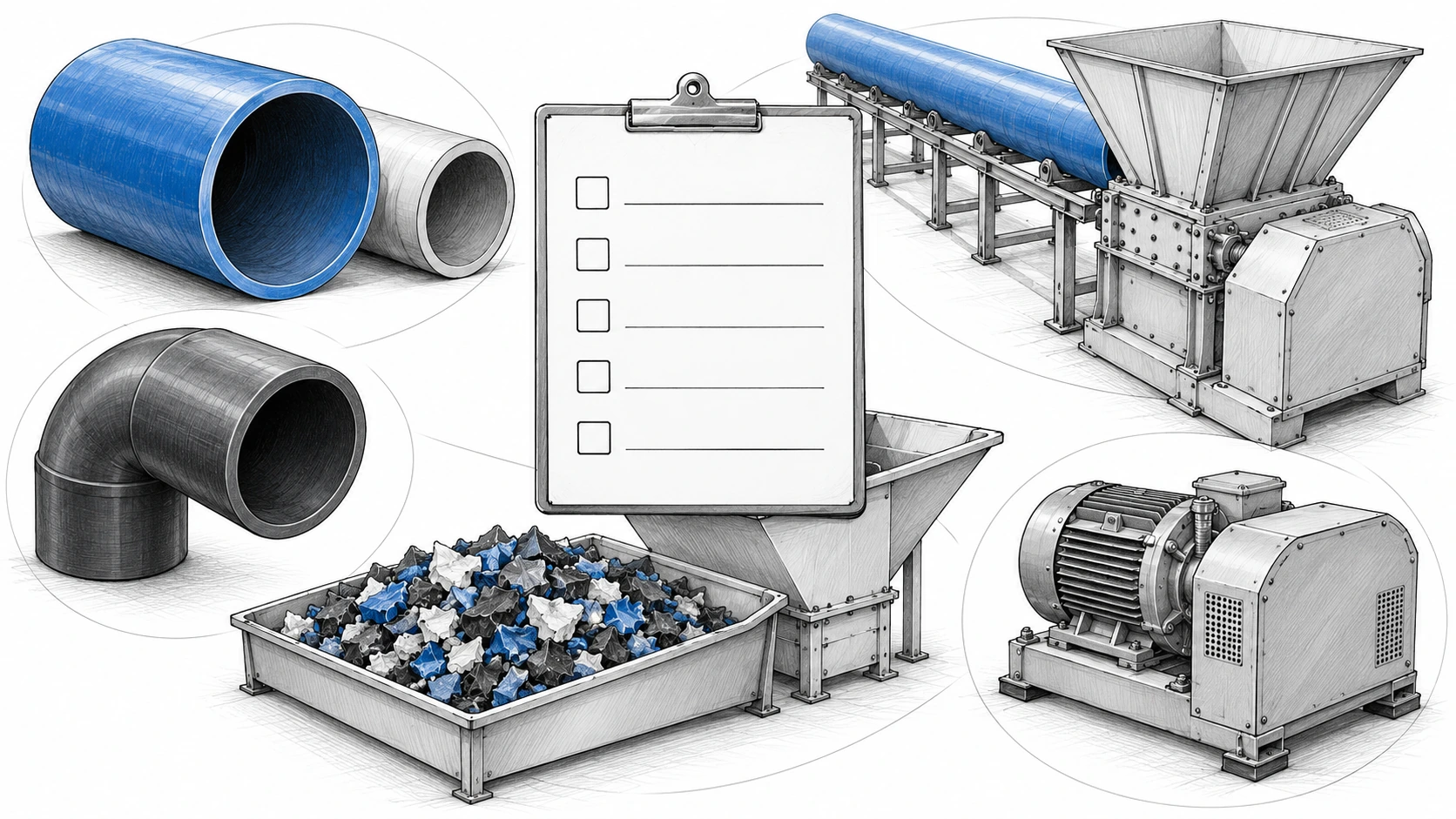
Concept illustration. Equipment and material forms are schematic; feed acceptance and performance require separate assessment.
What Pipe Dimensions Must the Shredder Accept?
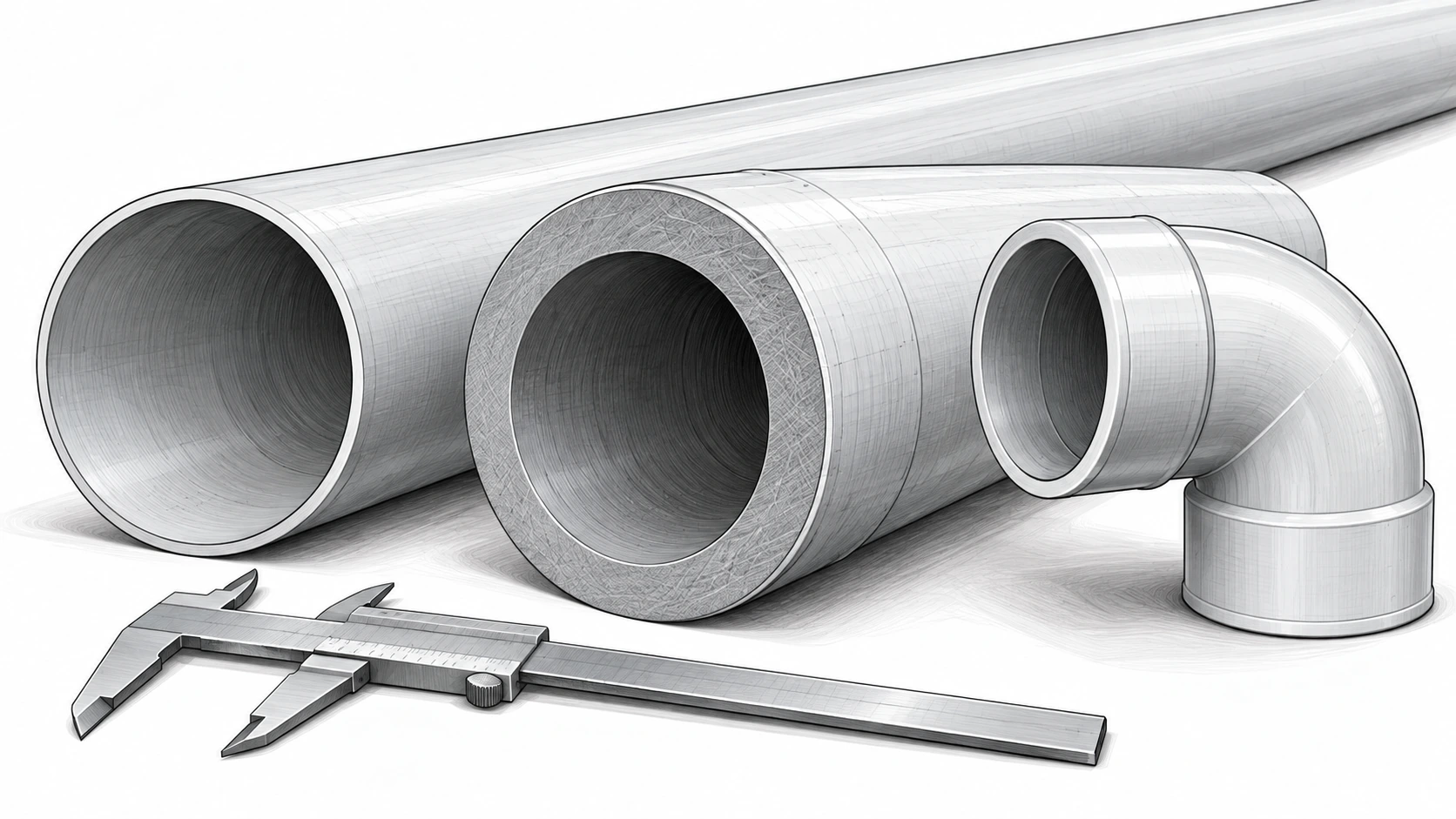
“Plastic pipe” describes a broad range of feedstock. Straight production rejects, corrugated pipe, thick-wall offcuts and elbows can present different loading conditions. Build a material record that reflects your regular work, including the difficult items that appear routinely.
| Record | Include | Why it affects selection |
|---|---|---|
| Material | Polymer, known grade, fillers and reinforcement | Identifies the material stream that needs assessment |
| Outside dimensions | Length and outside diameter; overall size of fittings | Describes loading, support and access requirements |
| Wall section | Normal and maximum wall thickness; thick joints | Adds information that outside diameter does not provide |
| Delivery form | Straight lengths, short offcuts, loose pieces or bundles | Changes how material can be presented to the cutting system |
| Condition | Clean production scrap or recovered pipe; residues and attachments | Identifies preparation and separation requirements |
| Workload | Daily quantity and the mix of pipe sizes | Provides a realistic basis for capacity evaluation |
Length, Diameter and Wall Thickness
Record all three dimensions together. Two pipes with the same outside diameter can have different wall sections. Two offcuts with the same wall thickness can require different handling if one is much longer.
For fittings, record the overall envelope and the thickest relevant sections. A nominal pipe size does not describe the space occupied by an elbow, flange or reinforced joint.
Keep the original pipe dimensions separate from the dimensions after preparation. If a trial uses short sections, its result supports that prepared feed condition. It does not establish that the same arrangement accepts the original long stock.
Material Condition and Attachments
Describe metal inserts, brackets, dirt and other known inclusions before an evaluation. Identify any previous contents or uncertain residues so appropriate handling can be established.
Keep HDPE, PP and PVC streams identifiable when the receiving process requires separated polymers. Mechanical size reduction does not sort mixed polymers or establish that the material is suitable for reuse.
For the wider material-selection framework, use the plastic shredder selection guide. This pipe assessment should add the dimensions and handling details that a general material name leaves open.
Can You Feed Pipes Whole, or Is Pre-Cutting Required?
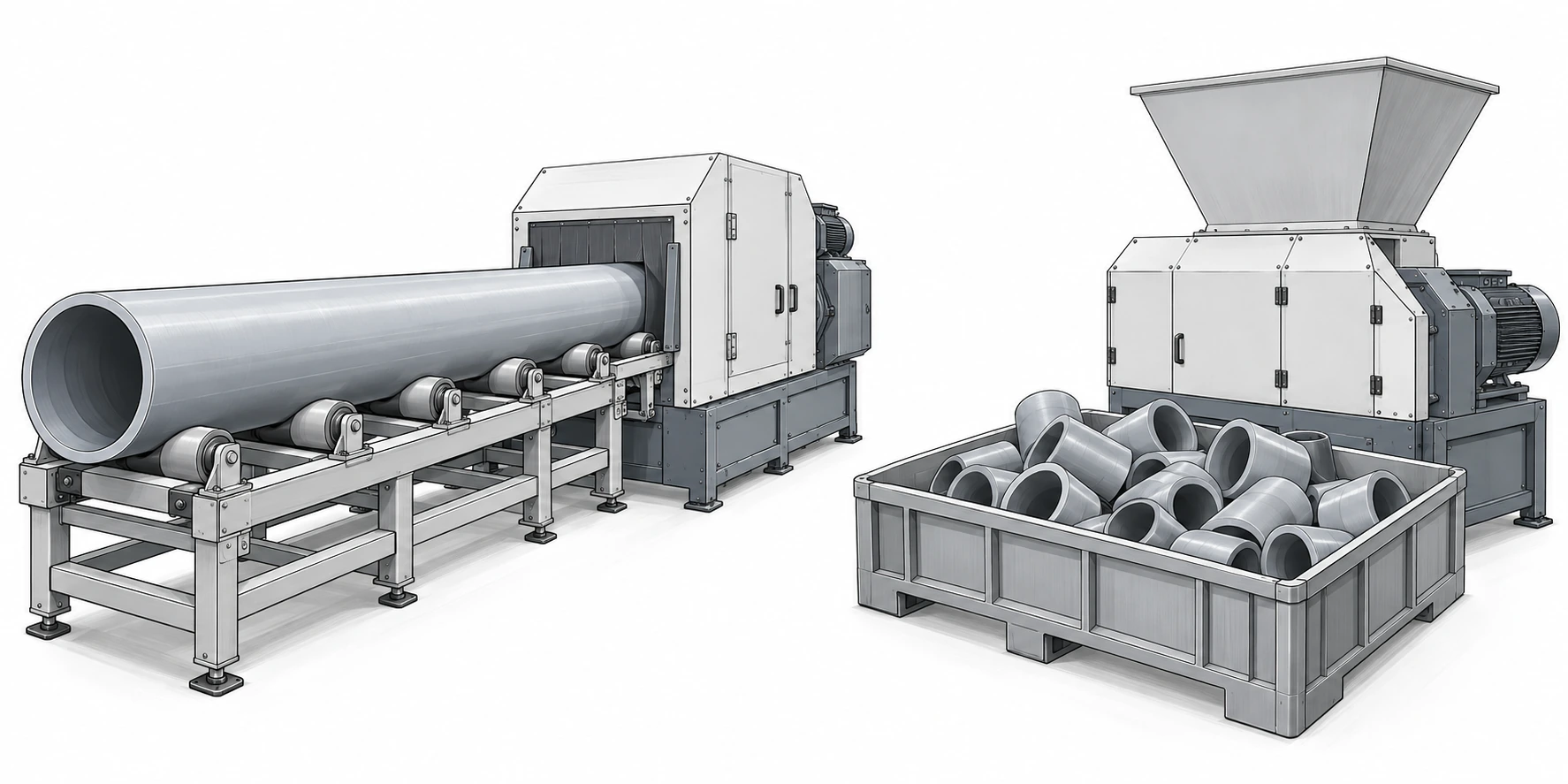
A pipe fitting through the top of a hopper is only the first part of the assessment. The proposed arrangement must also support the item, present it to the cutting area and sustain feeding under the intended operating conditions.
Confirm what “whole-pipe feeding” covers. It should refer to a defined length, outside diameter, wall section and loading method. A statement about diameter alone leaves too much unresolved.
Compare the complete route:
- Whole-pipe handling: establish the accepted item range, loading arrangement and space required around the equipment.
- Pre-cut pipe sections: establish the permitted section dimensions, preparation method and labor required before shredding.
- Mixed pipe and fittings: assess the different item forms, rather than assuming a result for straight pipe covers every fitting.
A dedicated long-pipe feeding arrangement and a compact hopper-fed machine solve different handling tasks. Compare how each would fit your actual waste stream and facility.
Pre-cutting can be a workable part of the process when it is planned. Record its time, equipment and staffing requirements. If preparation takes place separately from shredding, show where the prepared material will wait and how it will be transferred.
Do not infer an allowable pipe diameter from the cutting-chamber dimensions. The approved feed range also depends on the loading path, item orientation, cutting arrangement and permitted material condition.
Which Shredding Route Matches Your Pipe Waste?
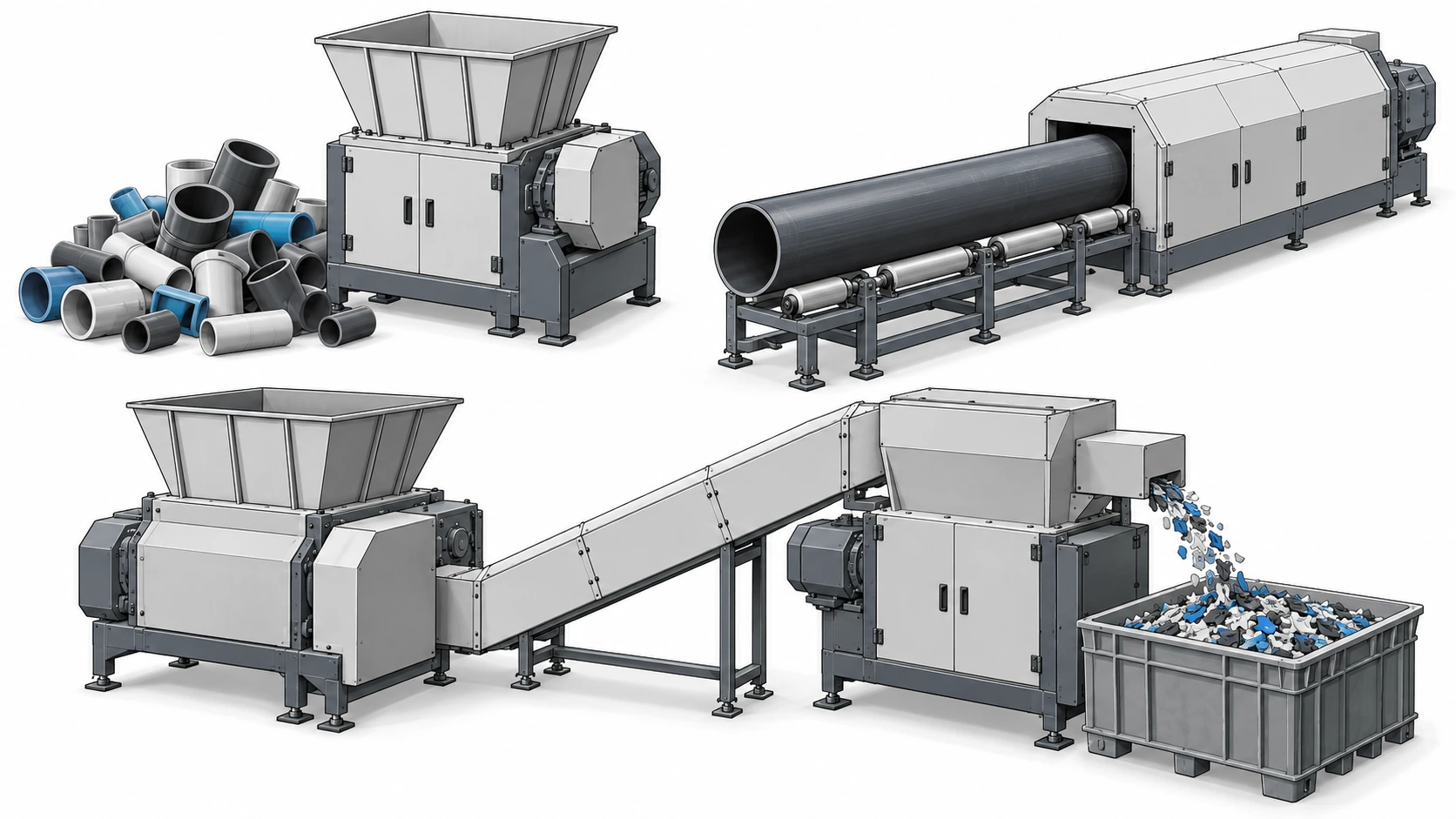
Decide how the pipe will be loaded and what output is needed before selecting around shaft count. A single-shaft or double-shaft description does not, by itself, establish compatibility with long pipe.
| Route to evaluate | Main selection question | Evidence needed |
|---|---|---|
| A configuration for prepared pipe offcuts | Can it process the agreed sections consistently? | Defined section sizes, loading method and output record |
| A configuration with dedicated long-pipe feeding | Can the complete arrangement accept your normal long stock? | Accepted whole-item dimensions and representative loading assessment |
| Shredding followed by granulation | Can both stages deliver the required final material? | Shredder output, granulator acceptance and combined processing requirements |
A screened single-shaft configuration uses a rotor, counter-knives and a screen as part of its size-reduction arrangement. A primary double-shaft configuration may be appropriate when irregular pieces are acceptable for the next stage. Evaluate the actual feed and discharge design in either case.
The single-shaft and double-shaft comparison explains the broader differences. For pipe work, bring that comparison back to the longest item, the wall section and the receiving process.
NJDETE’s published model information provides a starting point for discussing configurations. It does not establish whole-length pipe acceptance or a pipe-specific throughput. Those requirements need to be confirmed for the particular arrangement under review.
What Output Does the Next Process Require?
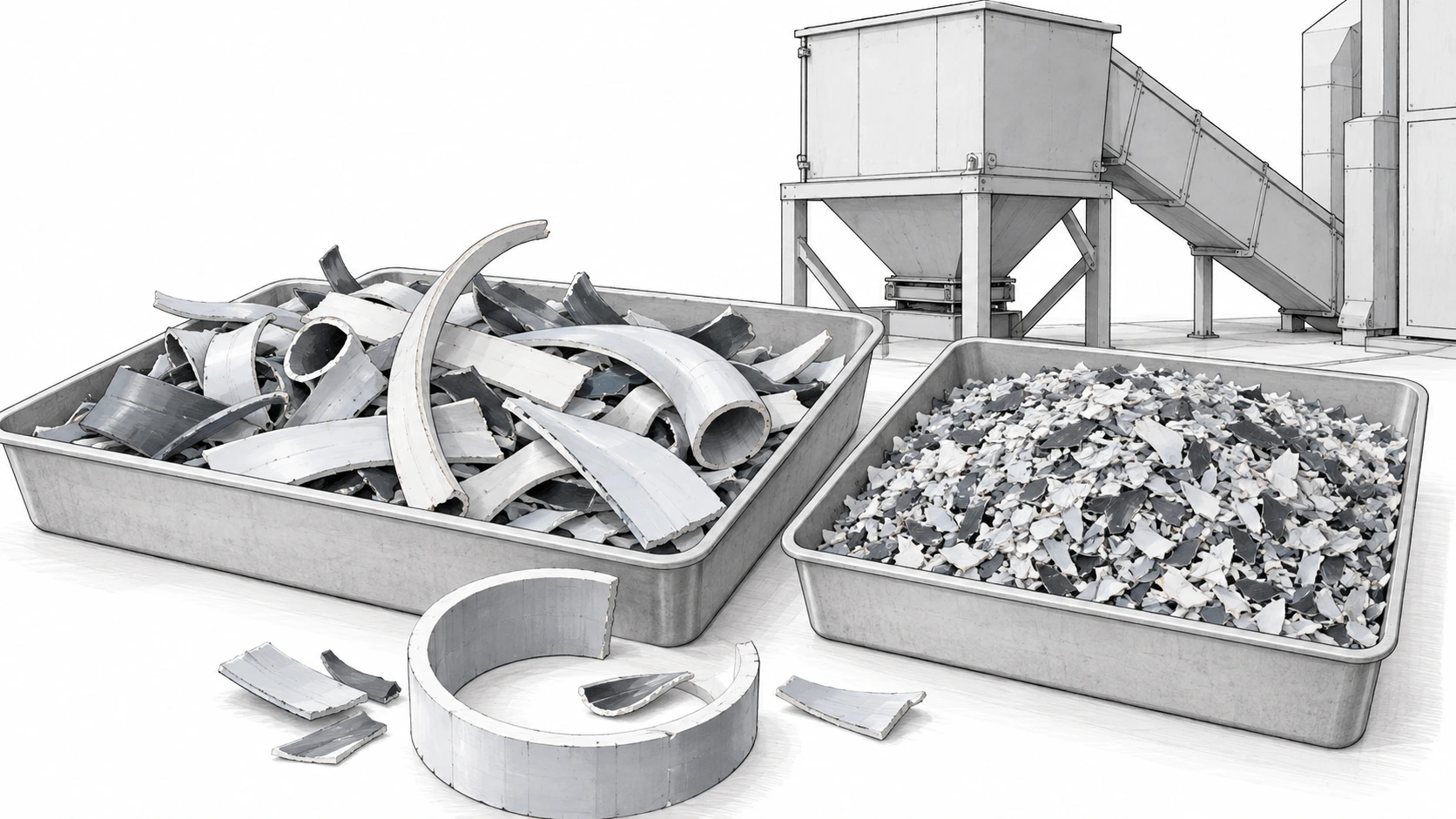
Define the receiving requirement before agreeing on an output-size description. “Smaller pieces” may be sufficient for one handling task and unsuitable for another.
For storage or transport, describe the required collection and handling method. For washing or separation, obtain the receiving system’s limits for feed dimensions and contamination. For granulation, establish the maximum acceptable pieces and how consistently they must be supplied.
If a controlled regrind fraction is needed, assess the complete sizing route. Include any further reduction, screening or return of oversize material that the process requires.
A single output photograph cannot show how much oversize a batch contains. Keep a representative sample and agree how its size distribution will be checked. Identify long strips or other pieces that the receiving equipment cannot accept.
Cutter thickness is not a guarantee that every discharged piece will have that dimension. Likewise, a screen opening alone does not describe every dimension of an irregular particle. Use the output sample and an agreed acceptance method to confirm suitability.
If additional preparation is needed after shredding, include that work in the process comparison. Otherwise, a satisfactory cutting result may simply move the handling problem downstream.
Compare Capacity Including Preparation Time
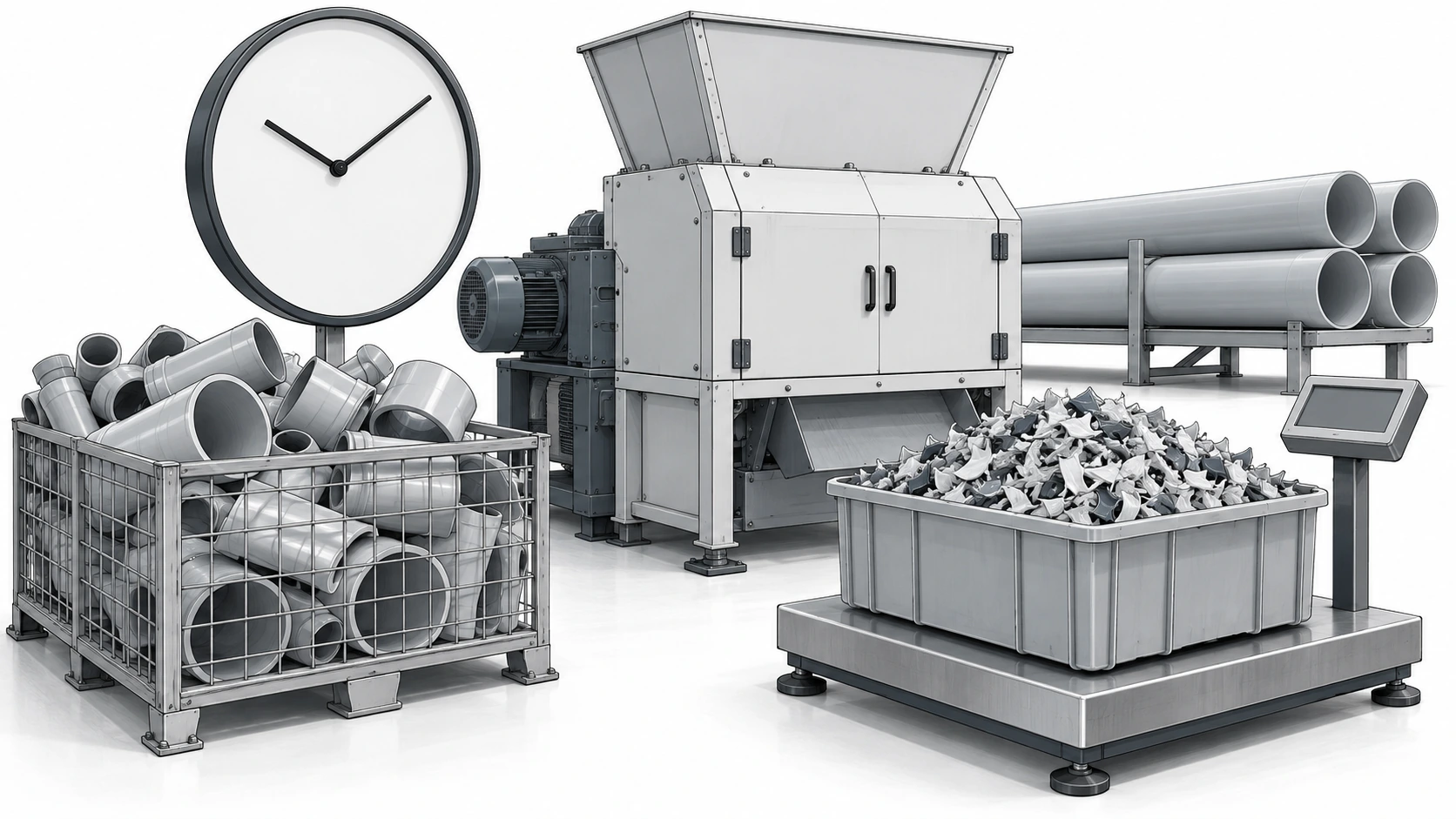
Set the daily target in material your next process can accept. Then identify the time available to produce it. Keep preparation time visible, especially when the same operator must prepare pipe and run the shredding process sequentially.
A Hypothetical Workshop Example
Assume a workshop needs 300 kg of accepted output per day within a six-hour working window. One operator performs the activities sequentially:
- Sorting and pipe preparation take 1.5 hours.
- Planned cleaning and other non-processing tasks take 0.5 hours.
- Four hours remain for loading, shredding and discharge.
The required average accepted-output rate during that four-hour processing window is:
300 kg ÷ (6 − 1.5 − 0.5) hours = 75 kg/h
This is a planning example, not an NJDETE machine rating or a trial result.
The 75 kg/h requirement includes the loading and discharge time assigned to that processing window. A brief cutting-only measurement cannot be compared directly with it. If preparation happens in parallel using another operator, calculate that staffing arrangement separately.
Measure Accepted Output Once
During evaluation, record input mass, accepted output, oversize material, material retained in the system and elapsed time. If pieces need another pass, record the additional processing time and count the final accepted mass once.
Use the same time boundary for each comparison. Do not subtract a preparation or interruption allowance again if it is already included in the measured elapsed time.
The industrial shredder capacity guide provides the wider calculation method. For pipe scrap, the additional question is whether the preparation and loading arrangement can sustain your required daily result.
What Evidence Should You Keep from a Material Evaluation?
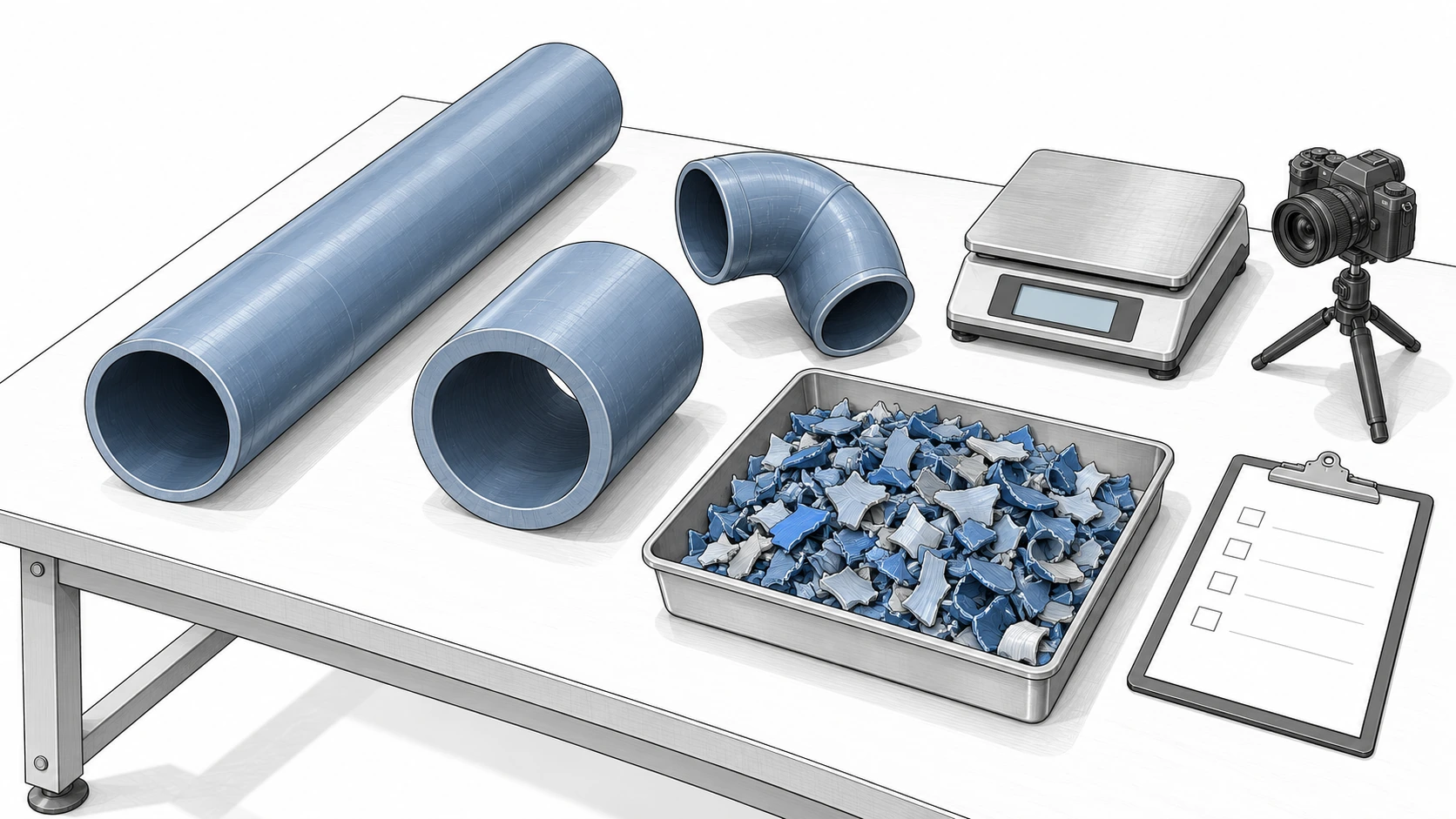
Use representative pipe, including difficult normal sections and fittings. A batch made only from short, thin pieces will not resolve questions about the longer or thicker items in your daily waste.
Agree the evaluation record before processing begins.
| Item to record | What the record should establish |
|---|---|
| Machine configuration | The drive, cutting arrangement, feed system and screen if fitted |
| Input dimensions | Length, outside diameter, wall thickness and fitting sizes |
| Material condition | Polymer, preparation, attachments and known contamination |
| Loading method | How items are presented and what staffing or handling equipment is involved |
| Observation period | Start, finish and the activities included in elapsed time |
| Output | Accepted mass, representative pieces, oversize and retained material |
| Interruptions | What stopped progress and how much time was involved |
| Follow-up work | Any additional preparation or processing needed |
Retain input and output photographs, weighing records and footage showing the normal feeding sequence. Keep those records associated with the configuration actually evaluated. If the feed system, cutters or other relevant equipment change, establish which results still apply.
Only trained, authorized personnel should conduct the assessment under the equipment instructions and site procedures. Keep guards and interlocks in use. Before clearing a blockage, opening the cutting area or carrying out service work, authorized personnel must isolate hazardous energy, control stored energy and verify isolation under the applicable procedure. An emergency stop alone does not establish isolation.
If a result misses the target, identify the limiting task: preparation, feeding, cutting, discharge or output acceptance. A change that requires shorter feed sections may improve the machine’s result while adding preparation work. Evaluate both effects before accepting the revised arrangement.
Frequently Asked Questions
Can One Plastic Pipe Shredder Handle Both HDPE and PVC?
A suitable configuration may be assessed for both materials, but each feed condition needs confirmation. Provide the pipe dimensions, wall sections, material information and output requirement for each stream. Processing capability does not mean the materials should be mixed; follow the receiving process’s material specification.
Does a Larger Hopper Remove the Need for Pre-Cutting?
Not necessarily. The item must reach and engage the cutting system through the intended loading arrangement. Confirm the accepted length, diameter, wall section and feeding method together. A larger opening alone does not prove whole-pipe suitability.
How Should Thick Fittings Be Assessed?
Record the fitting’s overall dimensions, thick sections and any inserts or reinforcement. Include representative fittings in the material evaluation. A result for a straight pipe section does not automatically cover elbows, joints or other dense shapes.
Can Shredded Pipe Go Directly into a Granulator?
Only when the granulator can accept the output’s dimensions, form, condition and feed rate. Check the transfer and feeding arrangement as well as the pieces themselves. If oversize material needs further preparation, include that step in the workflow and capacity assessment.
Is Motor Power Enough to Select a Pipe Shredder?
No. Motor power identifies one part of the proposed configuration. Selection also depends on pipe geometry, loading, cutting arrangement, permitted material and required output. Compare complete configurations against the same representative feed and measurement method.
Prepare Your Pipe Processing Requirements
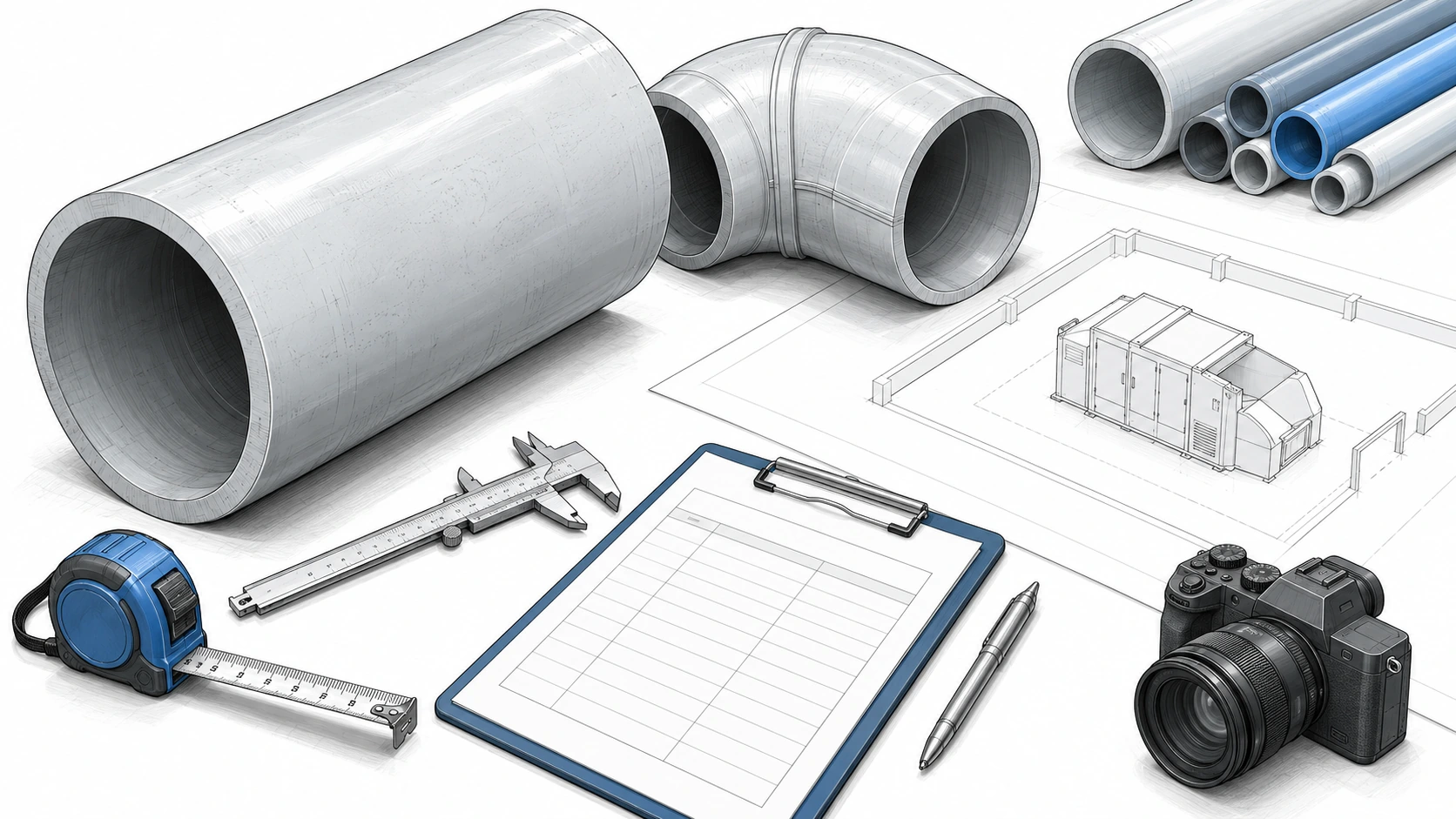
Create one material brief before discussing a plastic pipe shredder configuration. Include photographs with a scale, the longest normal pipe, outside diameter, maximum wall section, representative fittings and daily quantity. Add the available working window, any existing preparation equipment and the next process’s acceptance limits.
For a discussion with NJDETE, keep whole-item dimensions and prepared-section dimensions separate. State whether eliminating pre-cutting is essential or whether a defined preparation step is acceptable.
The result to establish is specific: which pipe can enter, what preparation remains, and how much accepted output the complete arrangement can deliver within your working window.