

How to Compare Shredder Blade Quotes Beyond Unit Price
Release time: 2026-10-17
A shredder blade price is useful only when the quotation describes the cutter set your machine needs. Two suppliers may quote the same outside diameter and steel grade while offering different quantities, tooth profiles, shaft interfaces or inspection requirements.
Quick answer: Compare shredder blade quotes against one approved specification, one clearly defined supply scope and one delivery basis. Then assess evidence of fit, material, heat treatment, inspection and support. Use comparable operating records to evaluate cost per accepted tonne; an unsupported blade-life claim cannot establish the cheaper option.
This guide focuses on replacement cutter discs for industrial shredders. Straight granulator knives and other cutting arrangements need their own specification.
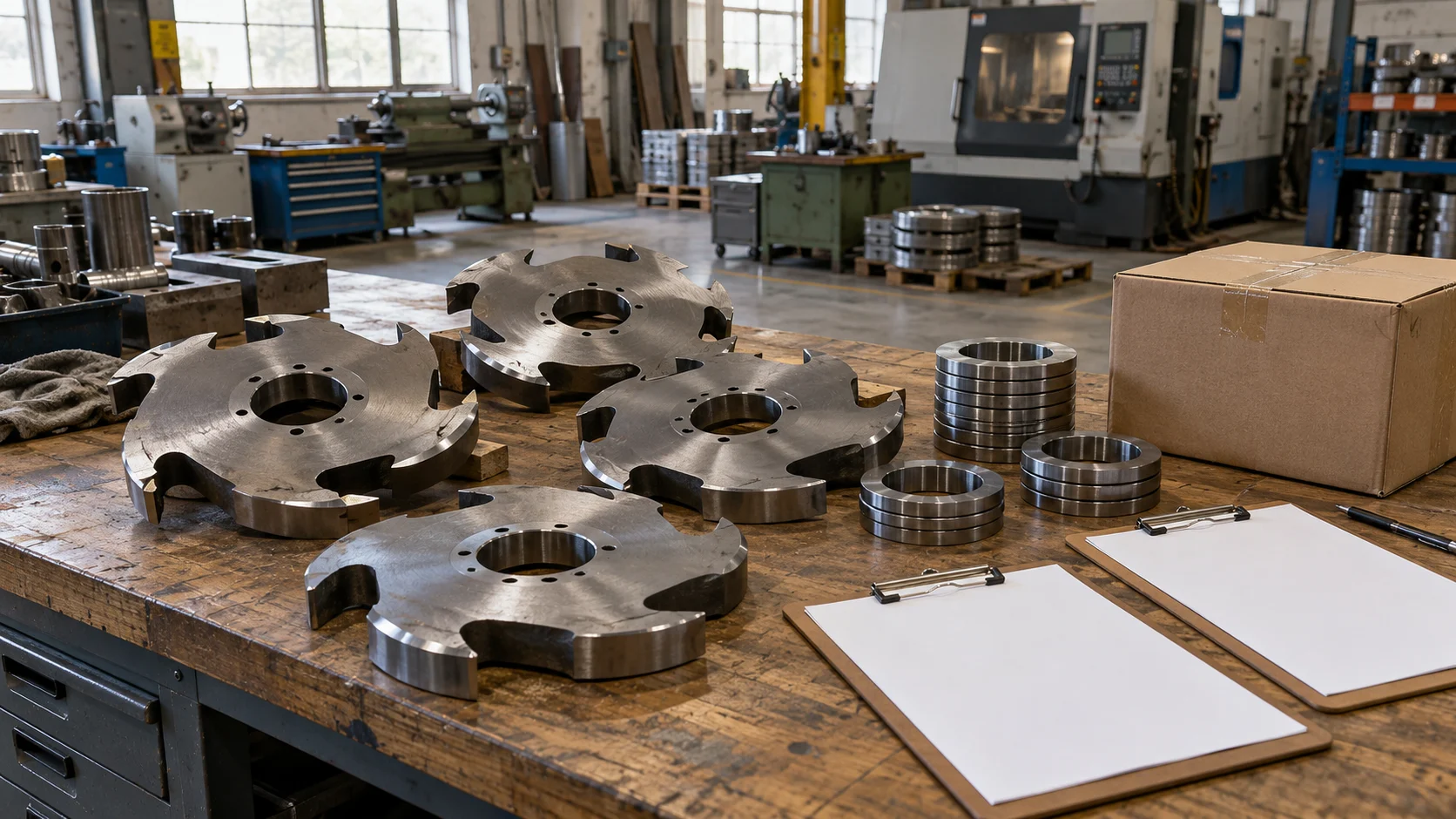
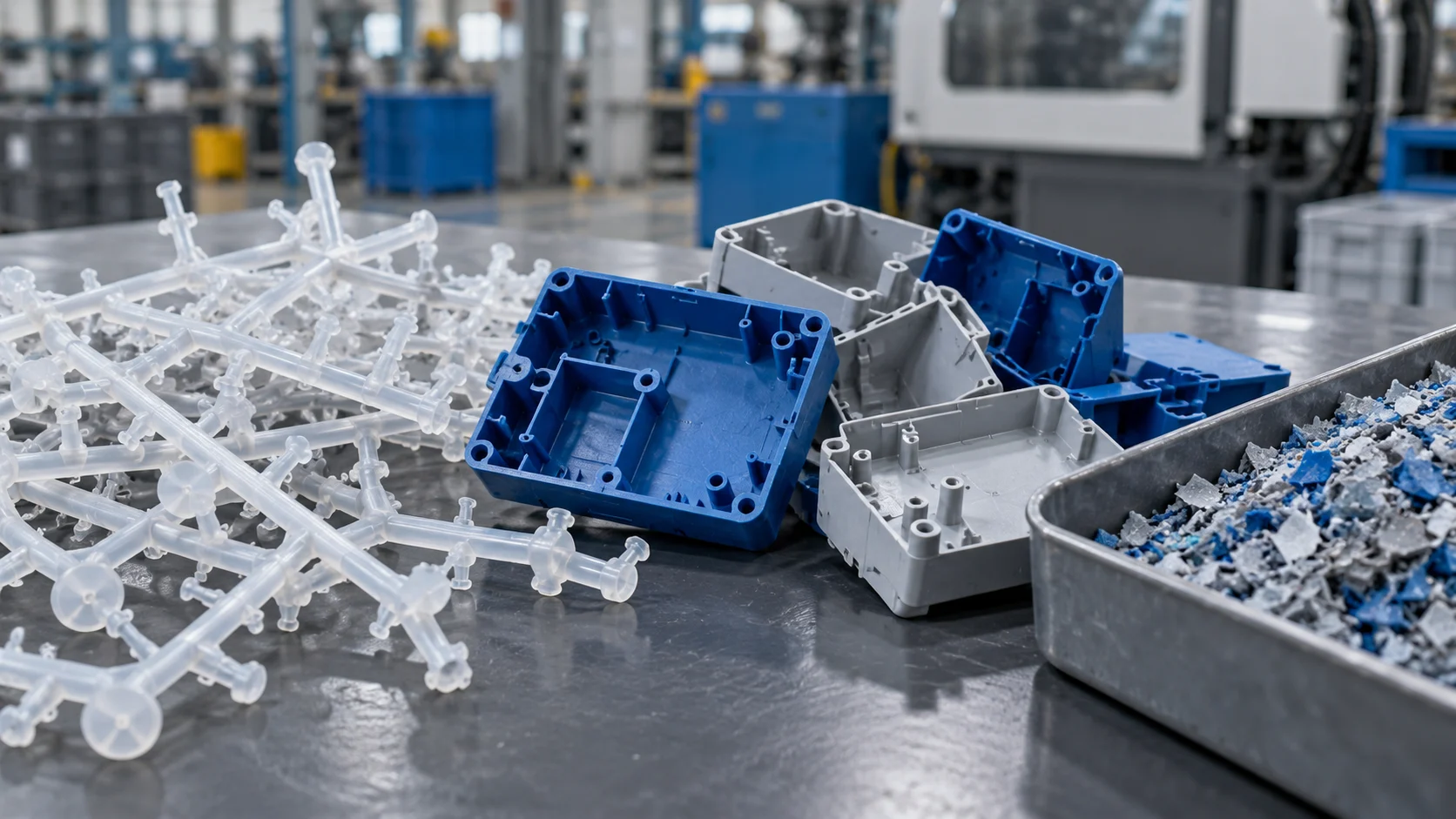
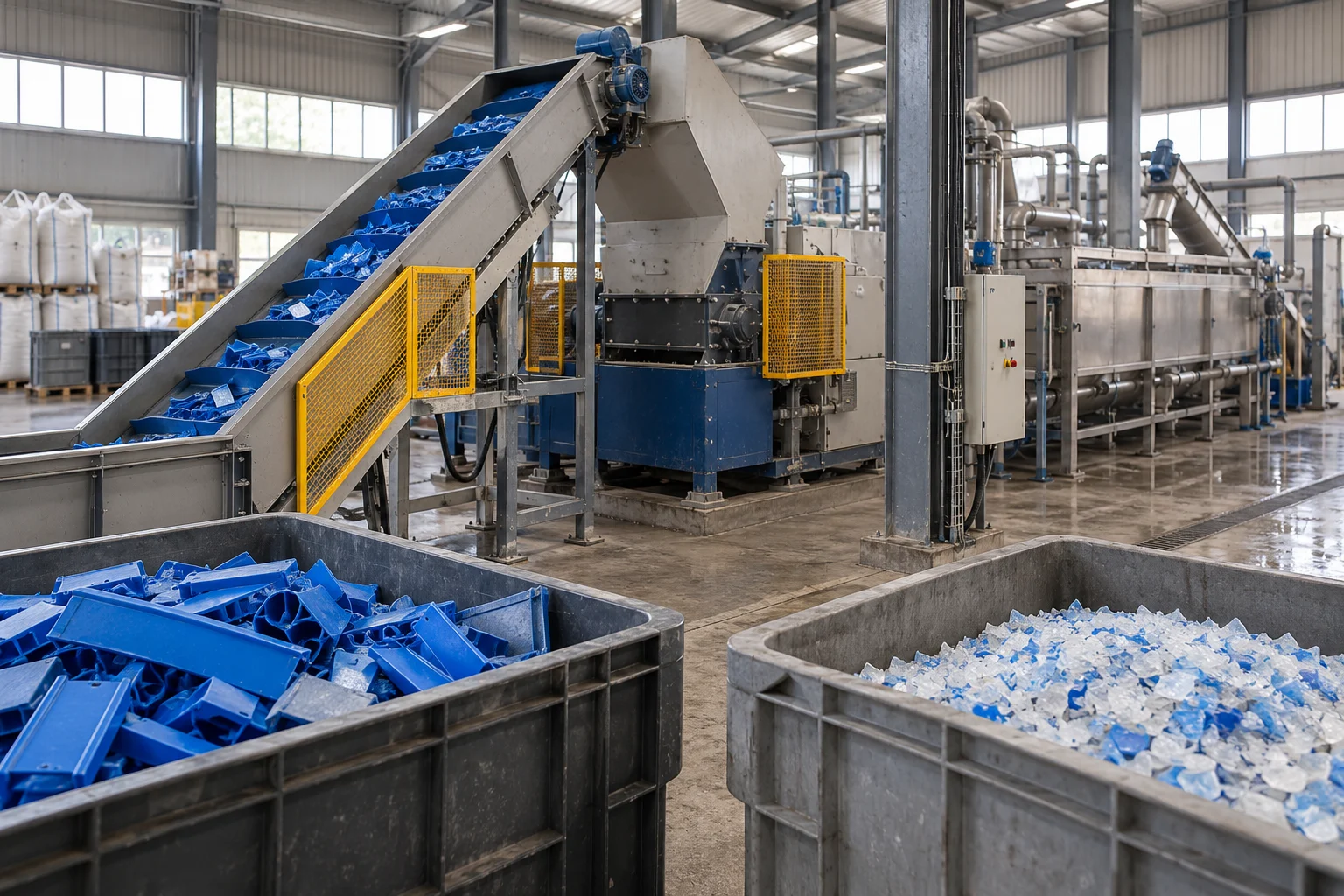
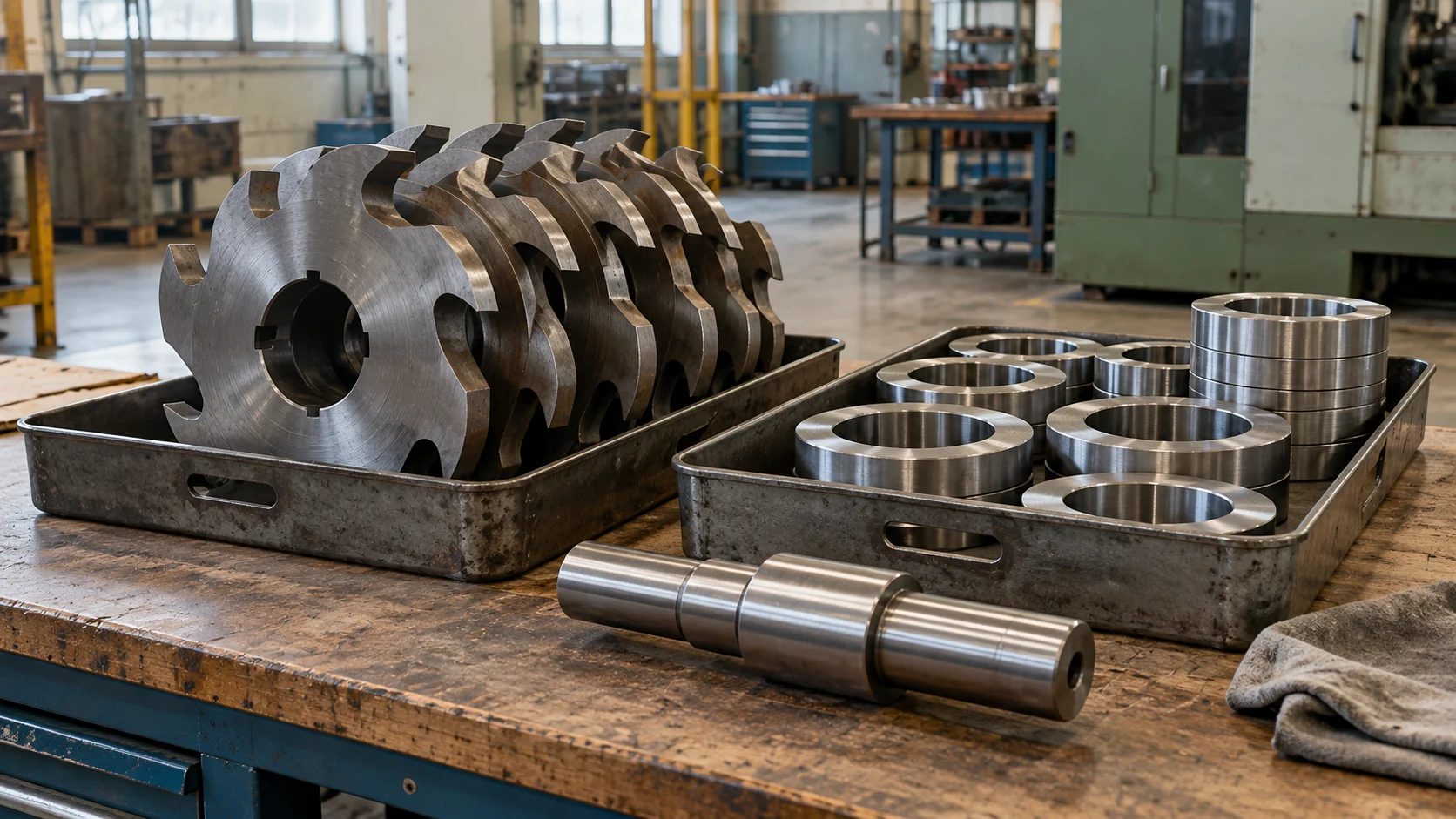
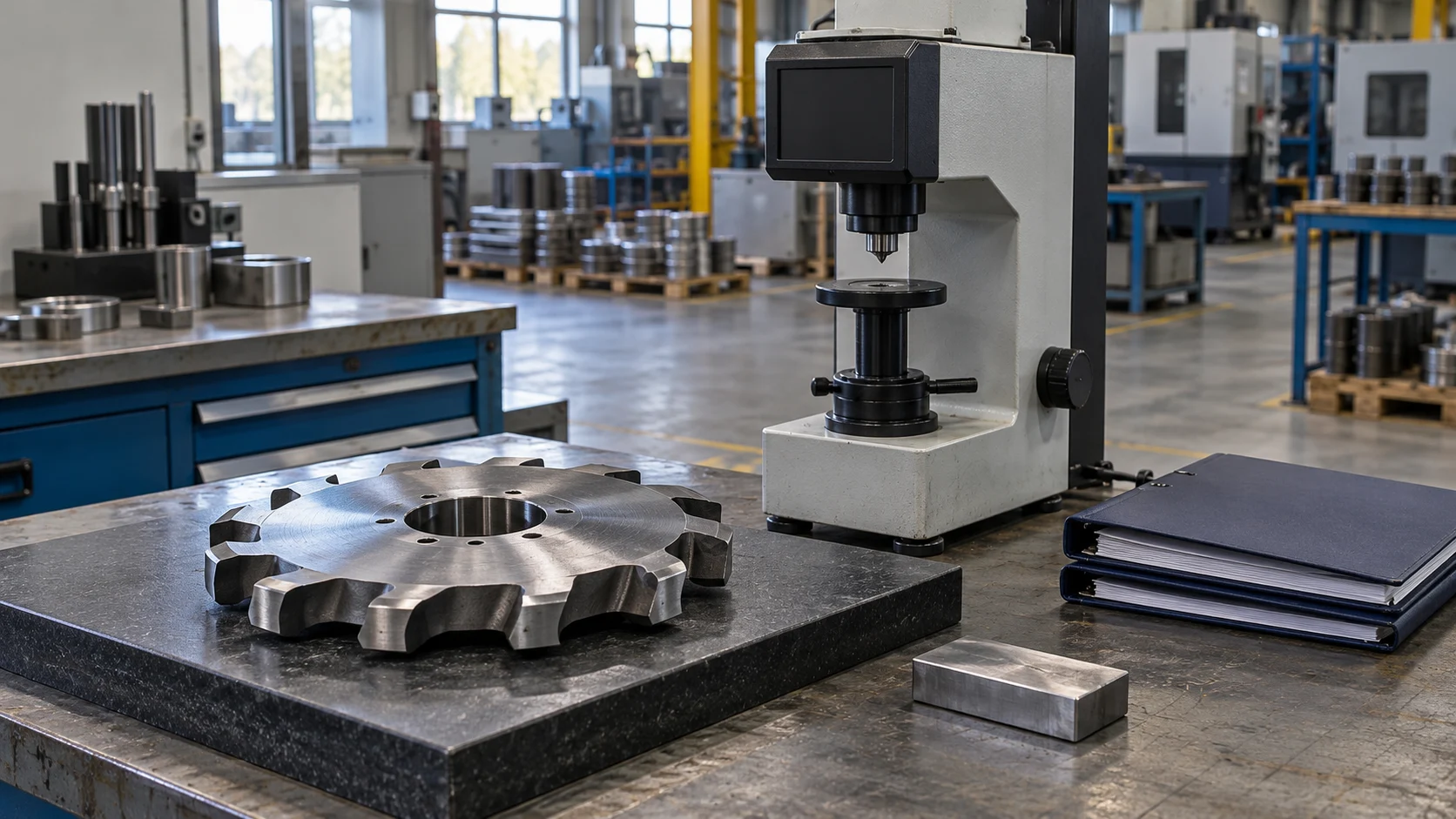
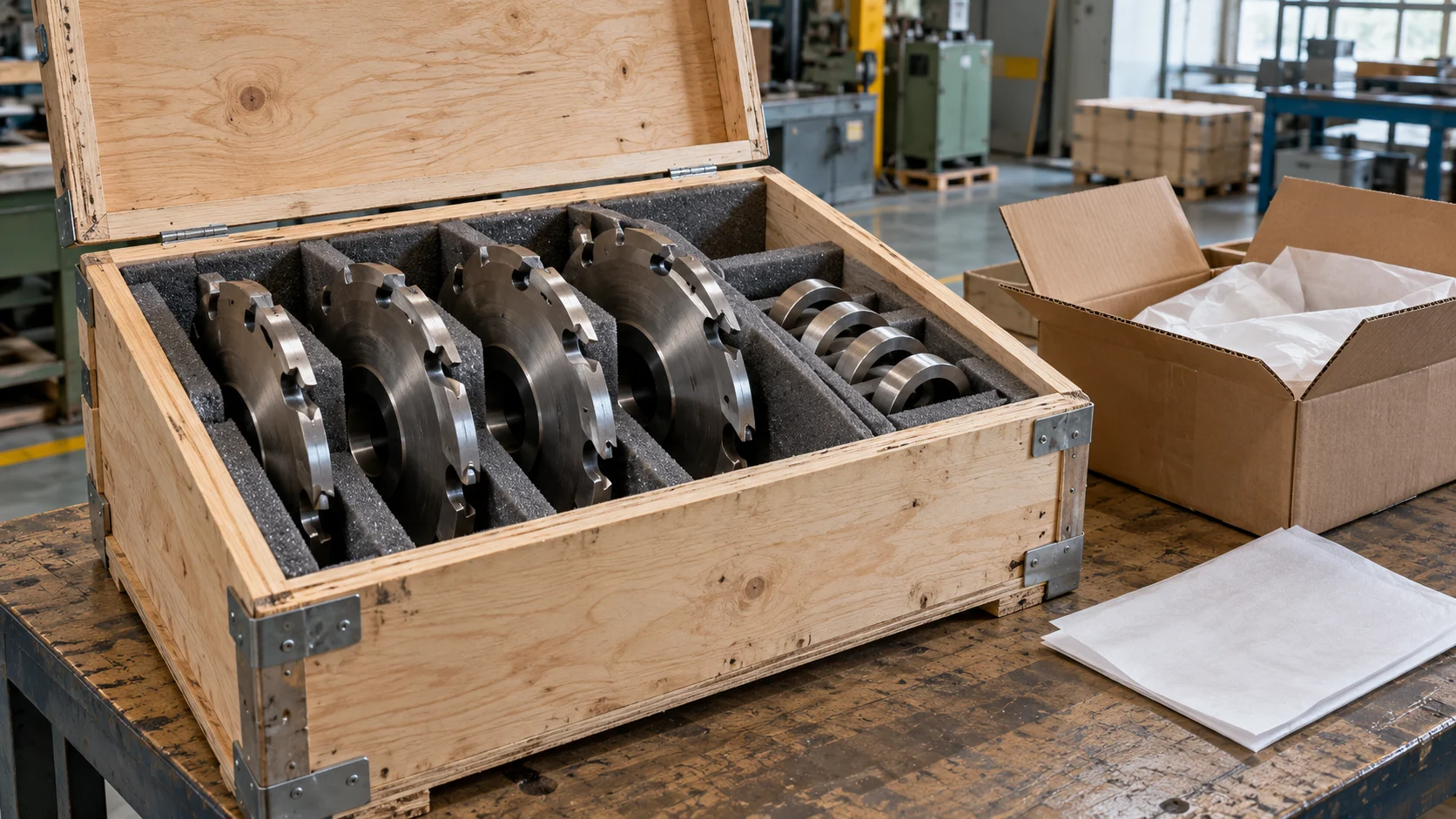
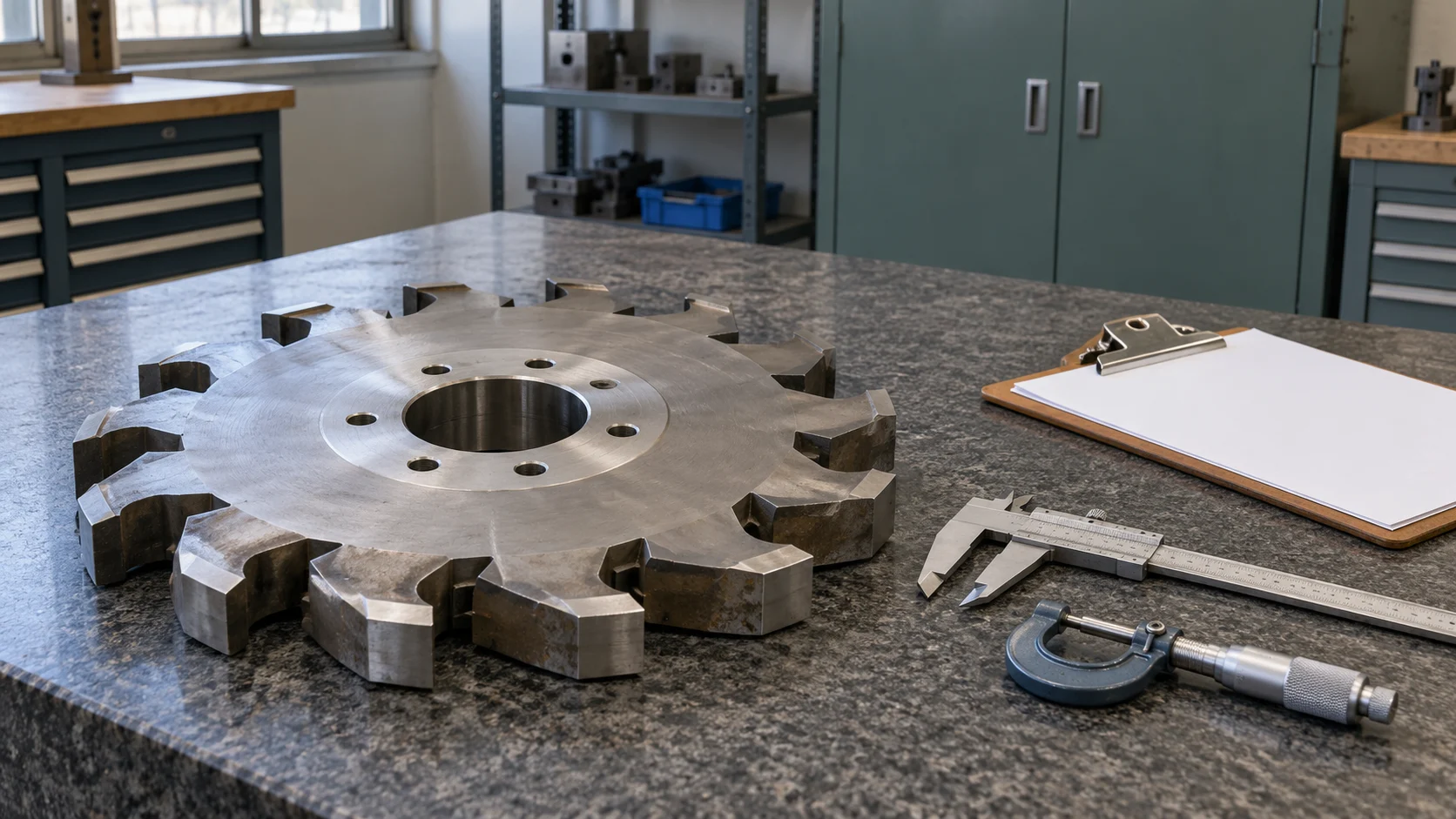
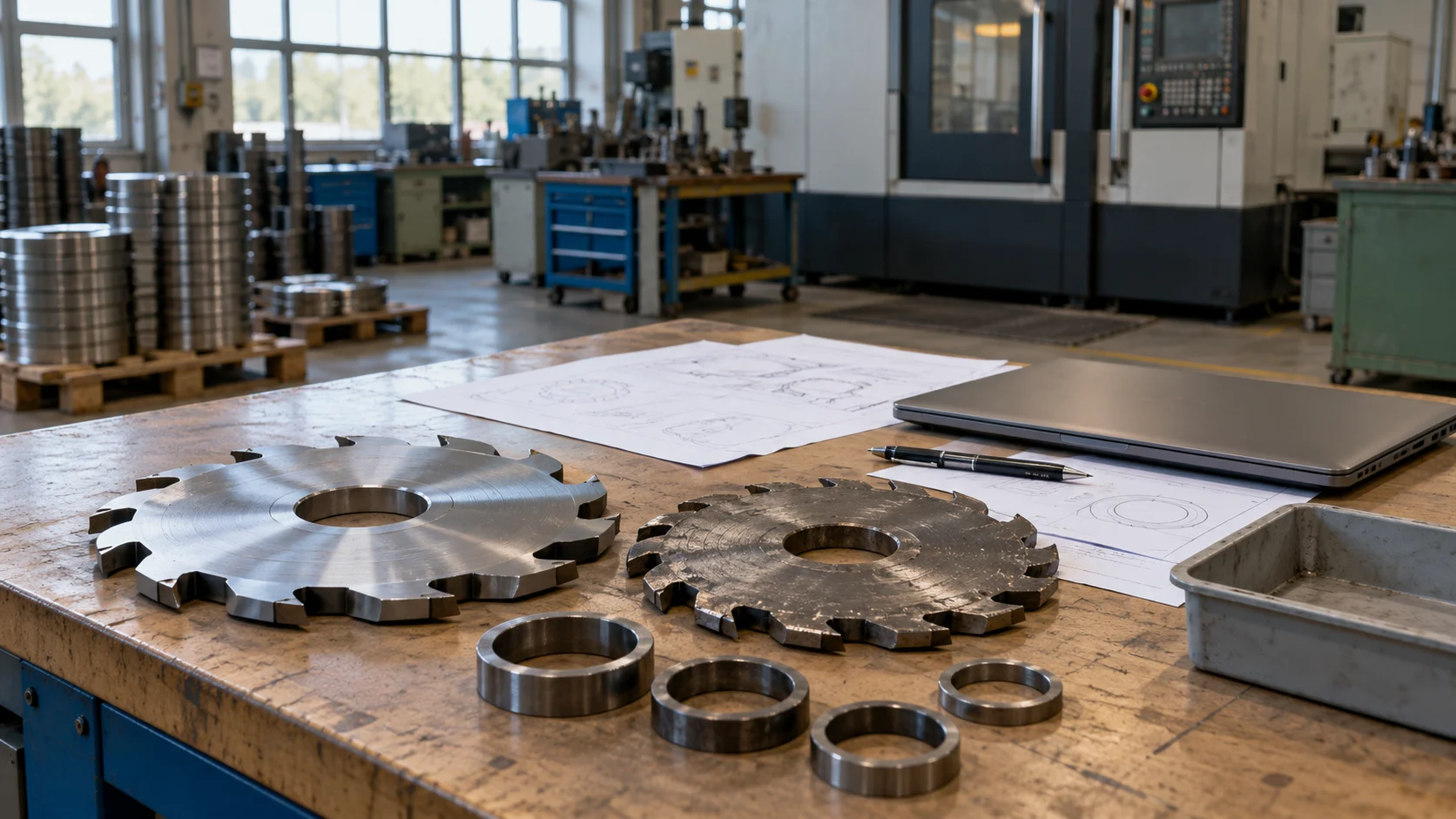
The added illustrations are AI-generated concept visuals. They are not records of a verified NJDETE factory, material trial or inspection, and their geometry does not replace an approved drawing.
First Check What the Price Actually Covers
A price “per blade” can refer to one cutter disc, a matched group, a complete shaft set or a different part entirely. Clarify the unit before calculating a total.
| Partida del presupuesto | What to confirm |
|---|---|
| One cutter disc | Part number, drawing revision, dimensions and handedness where relevant |
| A cutter set | Exact quantity for each shaft or position |
| Cutters and spacers | Which spacers, sleeves or related wear parts are included |
| An assembled unit | Components, assembly work and installation scope |
| Spare cutters | Whether spare quantities are separate from the operating set |
| Inspection and documents | Included checks, reports and any separately charged items |
| Packing and delivery | Packing method, shipment basis and named destination |
Keep each part line separate when the machine uses different cutter positions or profiles. A lower total may simply reflect an incomplete set.
De NJDETE double-shaft shredder blade specification checklist shows why disc dimensions, shaft interfaces, tooth form and spacer relationships need to be considered together.
How Do You Put Suppliers on the Same Specification?
Send every supplier the same drawing revision and operating description. Require a written list of deviations and assumptions.
Lock the geometry and mounting interfaces
Compare outside diameter, thickness, bore, keyway or spline details, tooth geometry and any orientation requirements.
A cutter can resemble the old part without matching the shaft or the neighboring components. Use the approved drawing as the reference. Where a worn sample is supplied, identify which dimensions remain reliable.
El Guía para medir las palas explains the information to record before requesting a replacement quotation.
Compare the cutter stack as an assembly
Ask how cutter and spacer dimensions will meet the approved stack requirements. Individual part measurements alone may leave an assembly question unresolved.
Where relevant, agree how position, orientation and part identity will be marked. Include any requirement to supply matched groups in the quotation.
State the operating conditions
Provide feed material, maximum sections, contamination, normal duty and the observed wear or failure pattern.
These details help suppliers explain their proposals. They also make later comparisons more meaningful: a trial using clean plastic cannot establish the same maintenance interval in a contaminated mixed-waste stream.
Make alternatives visible
If a supplier proposes a different material, tooth form or manufacturing route, ask for the alternative on a separate line.
Compare the original specification and the proposed change independently. Record who approves the change and how performance will be checked.
What Makes Shredder Blade Prices Different?
Material and heat treatment
Request the material specification, traceability information and agreed hardness requirements. Ask which inspection records will accompany the order.
A grade designation describes part of the proposal. It does not, by itself, establish the properties of the finished cutter. Uddeholm’s heat-treatment guidance for tool steel discusses how heat treatment develops tool properties and addresses the relationship between hardness and other performance requirements.
Compare how each supplier will meet the agreed specification. Treat “harder” or “premium steel” as a claim requiring a defined basis.
Geometry and finishing requirements
Complex shaft interfaces, tooth profiles and agreed finishing requirements can change the work involved in producing a cutter.
Ask suppliers to identify the dimensions and surfaces they will inspect. Tolerances should come from the approved design and assembly requirements, rather than an unexplained general accuracy statement.
Order scope and repeatability
A quotation may include first-order drawing work, a sample, special inspection or different spare quantities. Separate those items from the repeat-order cutter price.
For repeat purchases, confirm how the approved drawing, part identification and accepted changes will be retained.
Delivery and support
Compare the promised production start point, dispatch timing and transport basis. “Lead time” might begin after drawing approval or after receipt of a sample; write the trigger into the order.
Also confirm how the supplier will handle an incorrect interface, a dimensional nonconformance or a reported cutting problem.
How Do You Calculate a Comparable Delivered Cost?
Bring each quotation to the same currency, destination and supply boundary.
Include the costs relevant to your purchase:
- Required operating cutters and agreed spare quantities.
- Spacers or related components included in the replacement.
- Sample or drawing work charged separately.
- Inspection or documents charged separately.
- Packing, transport and applicable nonrecoverable import charges.
- Installation or commissioning work included in the comparison.
Record which amounts are confirmed and which are estimates. Use the same treatment for recoverable taxes and other accounting items across suppliers.
This gives a more useful purchase-cost comparison than comparing a disc price from one supplier with a complete delivered set from another.
NJDETE Operating Video: Context for a Blade Inquiry
The short clip below comes from the Nanjing Dete Shredder channel. It provides operating context when discussing a shredder application. Cutter dimensions, material condition, accepted output and replacement interval still need the evidence specified in the quotation. This clip does not establish blade price, service life or cost per accepted tonne.
Mira el vídeo original de NJDETE en YouTube.
When Is a Higher-Priced Cutter Set Better Value?
A higher purchase price can be worthwhile when verified performance reduces the cost of producing acceptable output. Calculate that value using comparable conditions and a defined replacement point.
A practical measure is:
Blade cost per accepted tonne = (landed cutter-set cost + attributable changeover cost) / accepted tonnes produced during the comparison interval.
“Accepted” means the output meets the agreed process requirement. Count changeover labor and production interruption consistently, and avoid counting the same loss twice.
An illustrative comparison
The following inputs are hypothetical. They demonstrate the calculation and do not represent NJDETE pricing or expected cutter life.
| Elemento de comparación | Quotation A | Quotation B |
|---|---|---|
| Landed cutter-set cost | $3,000 | $3,600 |
| Attributable changeover cost | $500 | $500 |
| Accepted output during the interval | 400 tonnes | 600 tonnes |
| Included cost per accepted tonne | $8.75 | $6.83 |
In this illustration, B has the higher purchase price and the lower included cost per tonne. That conclusion depends on the assumed accepted output.
If B produces only 400 accepted tonnes, its figure becomes $10.25 per tonne. It needs approximately 469 accepted tonnes to match A’s $8.75 figure under these assumptions.
Use material trials or comparable plant records to populate the calculation. If the supplier cannot support its life estimate, keep lifecycle cost unverified and compare the confirmed purchase scope separately.
For decisions about keeping an existing set in service, see when to resharpen or replace shredder blades.
What Evidence Should You Request Before Ordering?
Ask for evidence tied to the quoted parts and agreed requirements.
| Evidence | What it helps you establish |
|---|---|
| Approved drawing and revision | The geometry both parties have accepted |
| Written material specification | The material requirement to be supplied |
| Material traceability record | How the reported material is linked to the order |
| Agreed hardness report | Results at the specified inspection locations or sampling basis |
| Dimensional inspection record | Results for the agreed interfaces and dimensions |
| Part and position identification | Which component belongs in each specified location |
| Representative trial or operating record | Performance under the described feed and process conditions |
| Written claim procedure | What information is needed to investigate a reported problem |
Match the evidence to the purchasing risk. A critical shaft interface deserves a defined inspection requirement. A claim about longer life needs comparable operating evidence.
The documentation should make the part easier to verify, rather than simply increase the number of certificates attached to the quote.
Which Quotation Gaps Need Clarification?
Before placing the order, resolve these common gaps:
| Gap in the offer | Question to send back |
|---|---|
| Only outside diameter and thickness are listed | Which drawing defines the shaft interface, tooth form and remaining geometry? |
| “Complete set” has no quantity breakdown | How many parts are included for each shaft or position? |
| A substitute steel is named without explanation | Which requirement changes, who approves it and how will it be verified? |
| A blade-life promise has no operating basis | Which feedstock, output requirement and replacement criterion support it? |
| One price excludes freight or accessories | What is the comparable delivered total for the same scope? |
| A warranty is stated without a claim process | Which records, inspections and remedies apply? |
Treat an unresolved gap as an open purchasing condition. Clarification may show that the proposals are comparable, or that they solve different requirements.
What Should a Useful Shredder Blade RFQ Include?
Send a single pack to all shortlisted suppliers:
- Machine identification and cutting-system type.
- Approved drawing with revision and units.
- Quantity breakdown and cutter-stack arrangement.
- Material and finished-part requirements.
- Feedstock, contamination and operating description.
- Current wear or failure photographs.
- Required inspection and identification records.
- Delivery destination and requested timing.
- Permission for alternatives, with changes quoted separately.
For a broader replacement-planning checklist, use the Guía para la sustitución de las cuchillas de la trituradora. Keep the RFQ focused on the actual cutter family; a straight rotor knife and an interlocking cutter disc require different information.
A Short RFQ Message You Can Adapt
Use the message below to accompany the drawing and quantity breakdown. Fill in confirmed information and identify unknowns explicitly.
Please quote replacement cutter discs for [machine identification] against drawing [number and revision]. The required quantities are [part types and quantities], with [included spacers or related components]. Our feed is [material and normal contamination], and the accepted output requirement is [description]. Please itemize inspection, identification, packing and delivery to [named destination]. State the production lead-time trigger, exclusions and any deviations. Quote alternatives separately and identify the information needed to approve them.
Keep the completed message, attachments and supplier response under the same purchasing reference. If an attachment changes, send the revised pack to every supplier being compared.
Preguntas frecuentes
How much do industrial shredder blades cost?
An accurate price requires the cutter specification, quantities, material requirements and delivery scope. Use a drawing-based quotation rather than a general market range for a part that has not been defined.
Should I compare shredder blades by price per kilogram?
Weight-based pricing can be a supplementary reference, but it does not establish finished geometry, fit, inspection scope or operating value. Compare the complete required supply first.
Does a higher hardness mean a longer service life?
Hardness is one requirement among several. Assess material, heat treatment, geometry, operating conditions and the observed failure mode together.
Can I replace just one damaged cutter to reduce cost?
Obtain approval for the actual assembly. The condition of neighboring cutters, spacers and mounting components affects whether an individual replacement is appropriate.
Are custom shredder blades always more expensive?
The cost depends on the defined work and quantities. Ask the supplier to separate first-order engineering or inspection charges from repeat production so the comparison is clear.
How can I compare quotes when blade-life data is unavailable?
Compare the confirmed specification, supply scope, inspection and delivered cost first. Keep any lifecycle calculation provisional until comparable operating evidence is available. Record a common replacement criterion and accepted-output requirement so later trials answer the same purchasing question.
Request a Defined Shredder Blade Quotation
Send NJDETE your approved cutter drawing or usable sample, machine details, required quantities and operating conditions. Include the records and delivery scope you need suppliers to quote.
Browse the industrial blade and equipment range o send your replacement inquiry. Request a written confirmation of the specification and included supply so you can compare the proposal on the same basis.